
Human Computer Interaction Market Overview: Navigating the Shift Toward Intelligent, Adaptive Interfaces
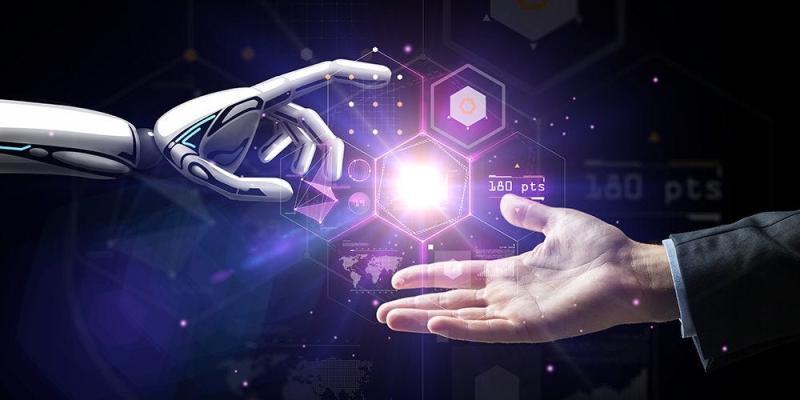
The Human Computer Interaction Market Overview reveals a landscape in transition from static, command-based interfaces toward intelligent, adaptive systems that respond to user behavior and context. This market encompasses a diverse array of technologies—peripherals, touch screens, gesture recognition, voice recognition, natural language processing, and emerging modalities—that collectively redefine how humans engage with digital systems. The convergence of these technologies with artificial intelligence and cloud computing is accelerating innovation, enabling personalized experiences and seamless interactions across devices and platforms. As organizations recognize that user experience directly influences adoption and satisfaction, HCI emerges as foundational infrastructure for digital transformation, positioning the market for substantial growth across application areas and geographies.
Defining the Modern HCI Ecosystem
Contemporary human-computer interaction differs substantially from earlier generations of interface design. Today's ecosystem emphasizes integration, personalization, and accessibility, with solutions designed to work seamlessly across diverse devices, contexts, and user needs. The modern HCI platform serves as a bridge between human intent and digital execution, interpreting inputs—whether through touch, voice, gesture, or gaze—and delivering responses that feel natural and intuitive. Key capabilities include adaptive interfaces that learn from user behavior, multimodal interaction that combines multiple input methods, and accessibility features that ensure usability for diverse populations. Together, these components form an integrated ecosystem that supports the complete user journey, enabling organizations to deliver experiences that delight rather than frustrate.
Technology Segments: Voice Leads While Gesture Accelerates
Within the technology landscape, speech and voice recognition holds the largest market share, reflecting its versatility and adoption across smart assistants, customer service applications, and accessibility solutions. Gesture and body recognition represents the fastest-growing segment, driven by the proliferation of AR and VR technologies and the demand for hands-free interaction in gaming, healthcare, and industrial applications. Touch screen interfaces remain dominant in mobile and kiosk applications, while natural language processing enables conversational interactions that feel increasingly human. Emerging technologies such as brain-computer interfaces and eye tracking represent long-term opportunities that could fundamentally transform interaction paradigms. This technology diversity ensures that market growth reflects broad-based demand across complementary modalities.
Component Analysis: Hardware Foundations and Software Innovation
The component landscape reveals distinct dynamics across hardware, software, and services. Hardware—input devices, displays, sensors, and processors—constitutes a significant market segment, providing the physical foundation for interaction. Software represents the fastest-growing component, as organizations invest in UI/UX applications that optimize usability, accessibility, and personalization. Services for implementation, integration, and training constitute a smaller but important segment, particularly for enterprise deployments. The interplay between hardware and software is critical: hardware advances enable new interaction modalities, while software innovation maximizes the value of hardware capabilities. This dynamic ensures that both components remain essential to market growth.
Competitive Dynamics and Market Evolution
The competitive landscape features a mix of technology giants, specialized HCI vendors, and emerging startups challenging established boundaries. Collaboration between hardware manufacturers, software developers, and content creators is accelerating innovation and expanding application possibilities. The market's evolution suggests that HCI will increasingly be evaluated as an integrated capability rather than a collection of standalone technologies, with user experience and ecosystem integration becoming as important as individual product specifications.
➤ Featured Insights from Market Research Future:

 English
 Arabic
 French
 Spanish
 Portuguese
 Deutsch
 Turkish
 Italiano
 Russian
 Romaian
 Portuguese (Brazil)
 Greek