
How Surface Quality and Flexibility Influence Toy Manufacturing
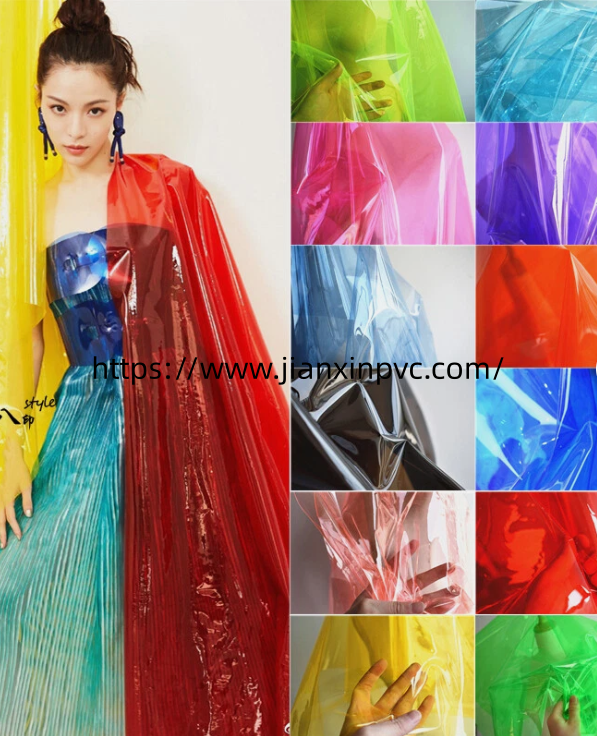
Toy manufacturing combines creativity, material science, and practical production requirements. From inflatable play products and decorative toy components to soft educational accessories, manufacturers need materials that support attractive designs while remaining suitable for repeated handling. As product developers explore flexible plastic solutions, PVC Toy Film provides opportunities to create colorful, adaptable, and visually distinctive products. Its adjustable material characteristics and diverse finishing possibilities make it relevant to manufacturers seeking greater freedom in toy design and production.
Material composition is an important starting point when evaluating plastic films for toy applications. Polyvinyl chloride is widely used in flexible plastic manufacturing because its formulation can be adjusted to achieve different levels of softness, flexibility, transparency, and surface appearance. These characteristics allow manufacturers to develop films for different product structures, including decorative elements, flexible coverings, inflatable items, and other plastic toy components.
The formulation of the material influences how it behaves during manufacturing and everyday use. Resin quality, plasticizers, stabilizers, pigments, and other additives contribute to the final characteristics of the film. Plasticizers help create flexible materials, while pigments provide different color possibilities. Stabilizing ingredients support material consistency during processing. Manufacturers need to select these components carefully to achieve a suitable balance between appearance, flexibility, and intended application requirements.
For toy manufacturers, material suitability involves more than simply choosing a flexible plastic. The intended age group, product design, manufacturing process, and expected handling conditions all influence purchasing decisions. Products designed for young children may require particularly careful material evaluation, including attention to applicable chemical safety regulations, migration requirements, and restrictions on certain additives. Buyers should request relevant compliance documentation and independent test reports rather than relying solely on general supplier descriptions.
Understanding the final product structure is another important step. Some toys use plastic films as visible decorative surfaces, while others incorporate them into flexible bodies or laminated constructions. Each application may require different material characteristics. Buyers should communicate whether the film will undergo heat sealing, printing, lamination, cutting, or additional forming operations. This information helps suppliers recommend appropriate materials and reduces the possibility of processing difficulties.
Color and transparency are also worth considering before placing an order. Bright colors can make toys visually engaging, while transparent films allow internal decorative elements to remain visible. Translucent materials create softer visual effects and can be useful for products designed around light and color. Reviewing physical samples is helpful because the appearance of a material can change depending on lighting, background surfaces, and the production method used.
Manufacturing technology has a significant influence on film quality. Calendering is commonly used in PVC film production to transform formulated materials into continuous sheets with controlled surface characteristics. The process requires careful management of material preparation and production conditions to maintain consistency. A uniform film structure can support smoother downstream processing and help manufacturers achieve more predictable results.
Additional processing techniques expand the possibilities for toy production. Printing can introduce illustrations, characters, patterns, and educational graphics. Embossing creates textured surfaces that add visual and tactile variety. Lamination combines different materials to achieve specific structural or decorative effects, while slitting prepares large film rolls for subsequent manufacturing operations. The choice of processing method should reflect the toy's design and production requirements.
Quality control remains essential throughout these processes. Uneven coloration, surface imperfections, inconsistent flexibility, and processing defects may affect the finished toy's appearance and usability. Manufacturers should establish suitable inspection procedures for raw materials and finished films. For products intended for children, material safety evaluation and compliance with the destination market's applicable toy standards are especially important parts of responsible sourcing.
The user experience of a toy is closely connected to its physical characteristics. Children interact with toys through touching, holding, folding, pressing, and playing, so surface feel and flexibility can influence their experience. A suitable film should support the intended product structure without creating unnecessary handling difficulties. Manufacturers also need to consider how the material behaves after repeated use and whether its surface remains appropriate for the product's intended function.
Ease of maintenance is another practical consideration. Toys may encounter dust, fingerprints, food stains, and frequent contact with different surfaces. The selected film should be compatible with the intended cleaning and care methods. Manufacturers should evaluate how surface finishes respond to routine maintenance and provide appropriate instructions to users. For products involving children, cleaning recommendations should also consider the safety of the complete finished product.
Design possibilities are particularly important in the toy industry because visual appeal often influences purchasing decisions. Smooth surfaces can create a clean, polished appearance, while embossed textures introduce additional tactile interest. Printed patterns can support storytelling, educational activities, or recognizable product themes. Custom colors and decorative finishes also help manufacturers develop collections that appeal to different consumer preferences.
Zhejiang Jianxin Plastic Co., Ltd. specializes in PVC calendered plastic film manufacturing and offers customized material solutions for various industrial and consumer applications. Its product capabilities include transparent, translucent, colored, and embossed films, providing different options for manufacturers developing decorative and flexible plastic products. Through OEM and ODM cooperation, the company can discuss customer requirements involving material appearance, surface characteristics, and further processing possibilities. For toy manufacturers, these capabilities can provide a starting point for exploring suitable film solutions while ensuring that the final material is evaluated against the relevant product safety and regulatory requirements.
As toy designs continue to incorporate more varied colors, textures, and flexible structures, communication between material suppliers and product developers becomes increasingly valuable. Sharing information about the intended toy design, manufacturing process, target market, and required safety documentation helps establish clearer sourcing expectations. Businesses interested in PVC film manufacturing, customized surface finishes, and OEM or ODM cooperation can learn more about Zhejiang Jianxin Plastic Co., Ltd. through its official website: https://www.jianxinpvc.com/.

 English
 Arabic
 French
 Spanish
 Portuguese
 Deutsch
 Turkish
 Dutch
 Italiano
 Russian
 Portuguese (Brazil)
 Greek