
Fiber Optic Cleaners: Why Proper Cleaning Tools Matter for Reliable Fiber Connections
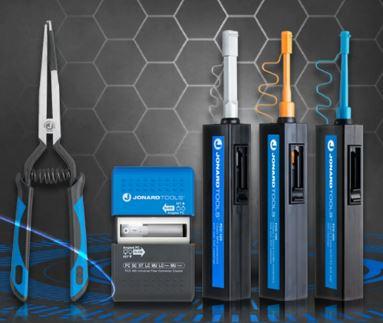
Fiber optic networks play an important role in modern communication, supporting everything from high speed internet and data centers to telecommunications infrastructure. However, even a well installed fiber network can experience performance problems when connector end faces are contaminated. Dust, oil, fingerprints, and other small particles can interfere with light transmission and affect connection quality.
This is why proper cleaning should be an essential part of every fiber installation and maintenance process. Using reliable fiber optic cleaners and the right cleaning accessories helps technicians prepare connectors correctly, reduce contamination risks, and maintain consistent network performance.
Why Fiber Optic Cleaning Should Never Be Overlooked
Fiber optic connectors contain extremely small end faces that require careful handling. Even particles that are difficult to see with the naked eye can affect the optical connection. Contamination may contribute to increased insertion loss, signal reflection, and inconsistent test results.
One common mistake is assuming that a connector is clean simply because it looks clean. In reality, microscopic dust and residue may remain on the surface. Connecting contaminated end-faces can also transfer dirt to another connector, creating additional cleaning work.
A suitable fiber cleaner helps technicians address this issue before making a connection. Regular inspection and cleaning are especially important during fiber splicing, patch panel installation, network troubleshooting, and routine maintenance.
Common Fiber Cleaning Challenges and Practical Solutions
Fiber technicians often work in environments where dust, limited access, and repeated connector handling make cleaning difficult. Having the right tools can make these tasks more manageable.
1. Dust and debris on connector end-faces
Dust can collect on connectors during storage, installation, or maintenance. If it is not removed properly, it may affect optical performance.
Fiber cleaning wipes and connector cleaning tools provide a practical way to remove contamination. For example, Jonard Tools offers DW-90 dry wipes, which are designed for cleaning bare fiber, connector end faces, and electronic components. Their lint free material helps reduce the risk of leaving unwanted fibers or residue behind.
2. Cleaning connectors in tight spaces
Technicians sometimes need to clean connectors inside crowded patch panels or recessed adapters. Standard cleaning methods may be difficult to use in these locations.
Specialized fiber connector cleaners are designed to make this work easier. Jonard Tools offers options such as the FCCN-250, which features an adjustable angled head for reaching difficult areas and is designed for cleaning 2.5 mm ferrules.
3. Working with different connector sizes
Fiber installations may involve several connector types and ferrule sizes. Using an incompatible cleaner can make the cleaning process less effective or inconvenient.
Choosing cleaning equipment that matches the connector is important. A suitable fiber optic cleaning kit can help technicians keep different cleaning tools and supplies organized for the connectors they regularly handle.
4. Keeping cleaning supplies organized
Carrying separate wipes, cleaning fluids, and connector cleaners can become inconvenient during fieldwork. Missing supplies may also interrupt installation or maintenance tasks.
A complete cleaning kit brings essential items together in one place, making it easier to prepare for different jobs and maintain a consistent workflow.
Choosing the Right Fiber Optic Cleaning Tools
Not every fiber cleaning task requires the same equipment. The right selection depends on the connector type, work environment, and cleaning requirements.
When choosing fiber optic cleaning tools, consider the following:
-
Connector compatibility: Check whether the cleaner supports the connector and ferrule size used in your installation.
-
Cleaning material: Choose lint free wipes and suitable cleaning supplies to help avoid introducing additional contamination.
-
Accessibility: Consider angled or specialized cleaners when working with recessed adapters or crowded patch panels.
-
Portability: Compact tools and organized kits are useful for technicians who move between installation sites.
-
Application: Select products based on whether you are cleaning bare fiber, connector end-faces, or bulkhead adapters.
These factors help technicians avoid unnecessary delays and select equipment that supports their everyday work.
Benefits of Using a Fiber Cleaning Kit
A well equipped fiber cleaning kit can simplify several stages of fiber installation and maintenance. Instead of searching for individual supplies, technicians can keep commonly used cleaning products together and ready for use.
Jonard Tools offers different cleaning options for specific applications. For example, the TK-283 Fiber Cleaning Kit includes DW-90 dry wipes, FCF-3 nonflammable fiber cleaning fluid, a rugged carrying case, JIC-186 wire and Kevlar® cutting shears, and the JIC-375 three hole fiber optic stripper.
For connector end face and bulkhead adapter cleaning, the TK-287 Fiber Optic Cleaning Kit+ includes several connector cleaning options, including cleaners for MPO, 1.25 mm, and 2.5 mm applications, along with dry wipes and cleaning fluid.
These kits help technicians organize essential supplies and choose tools suited to their cleaning requirements.
Best Practices for Fiber Connector Cleaning
Having quality equipment is only one part of maintaining clean fiber connections. Following a consistent cleaning process is equally important.
Start by inspecting the connector end face using an appropriate inspection tool. If contamination is present, use a compatible cleaning method and suitable materials. Avoid touching the connector end face with your fingers, and keep cleaning supplies protected from dust when they are not in use.
After cleaning, inspect the connector again before connecting it. If contamination remains, repeat the appropriate cleaning process. Always follow the manufacturer's instructions for the cleaning product being used.
Technicians should also keep used wipes and cleaning materials separate from unused supplies to prevent cross contamination.
Make Fiber Maintenance Easier with the Right Equipment
Reliable fiber connections depend on more than cable quality and installation techniques. Proper cleaning plays an important role in reducing contamination and supporting consistent network performance.
From individual connector cleaners and lint free wipes to complete cleaning kits, the right equipment helps technicians handle different fiber maintenance challenges with greater confidence. Selecting suitable fiber optic cleaners, maintaining clean work practices, and inspecting connectors before connection can make a meaningful difference in everyday fiber installation work.
Explore the range of Jonard Tools fiber optic cleaning tools to find practical solutions for connector cleaning, fiber preparation, and maintenance tasks.


 English
 Arabic
 French
 Spanish
 Portuguese
 Deutsch
 Dutch
 Italiano
 Russian
 Romaian
 Portuguese (Brazil)
 Greek