
Marvel's New Editor-in-Chief: Stephen Wacker Takes the Chair
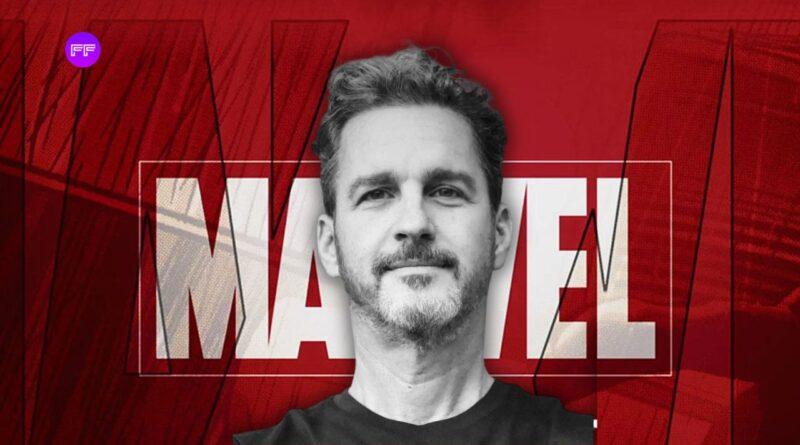
Marvel Comics just went through one of its biggest leadership shakeups in years. On July 16, 2026, the publisher announced that veteran editor Stephen Wacker would step in as the new Editor-in-Chief, taking over from C.B. Cebulski, who had held the position since 2017. The change didn't come alone either — it landed alongside news that Marvel's entire comics division is relocating from its longtime home in New York City to Burbank, California, folding publishing more tightly into the broader Disney and Marvel Studios ecosystem. Here's a full breakdown of what happened, who Stephen Wacker is, and why this moment matters for the future of Marvel Comics.
Why Cebulski Is Stepping Down
C.B. Cebulski spent nearly nine years running Marvel's editorial direction, a tenure that included some genuinely ambitious storytelling swings. He oversaw the relaunch of the Ultimate Universe and championed the so-called Krakoan Age of X-Men comics, a run widely regarded as one of the more inventive eras in the franchise's history. He also built out Marvel's manga partnerships, working with Shonen Jump on titles blending Marvel characters with manga-style storytelling, and launched talent development programs meant to bring new artists into the fold.
Rather than leaving the company outright, Cebulski is shifting into a new role: Editor, Asia Originals, based in Japan. It's a homecoming of sorts, since Cebulski built much of his early Marvel career working on manga and talent recruitment efforts in that region decades ago. The move lets him stay connected to Marvel's growing international ambitions while stepping away from the day-to-day demands of running the entire comics line.
Not everyone views Cebulski's exit as a loss. His run wasn't without controversy — early in his tenure as Editor-in-Chief, it came out that he had once written for Marvel under a pseudonym, sidestepping an internal policy that required staff members to get approval before writing for the company. Beyond that, some of his most ambitious initiatives, including the Krakoan Age and Ultimate Universe relaunch, are seen by parts of the fanbase as promising ideas that fizzled out rather than sticking the landing. Combined with a period where Marvel lost its long-held position as the top publisher by market share, the pressure for a change in direction had clearly been building.
Who Is Stephen Wacker?
Stephen Wacker isn't a new face at Marvel — he's a returning one. He previously spent more than fifteen years with the company, including seven years as a senior editor overseeing some of Marvel's most talked-about runs. His resume includes the "Brand New Day" and "Superior Spider-Man" storylines in Amazing Spider-Man, along with acclaimed work on Daredevil, Hawkeye, and the relaunch of Captain Marvel. He also played a role in the debut of Kamala Khan as Ms. Marvel, a character who has since become a cornerstone of Marvel's modern lineup and made the jump to live-action and animation.
His resume extends well beyond the printed page. Wacker has experience in Marvel's animation and television divisions too, having co-produced projects and served as a co-executive producer on animated series along the way. That background across formats is part of why his appointment is being read as a signal that Marvel wants its comics division working in closer step with its film, television, and streaming efforts rather than operating as a separate silo.
A Bigger Shift Than Just One Job Title
What makes this announcement stand out isn't only the change at the top — it's everything happening around it. Marvel Comics has called New York home for close to ninety years, and the decision to relocate the publishing division to Burbank represents a genuinely historic shift for the company. Burbank is already home to Marvel Studios and its parent company, so folding the comics division into that same physical footprint signals an intent to bring storytelling teams closer together across mediums.
This relocation follows a string of other leadership changes at Marvel. Longtime publishing head Dan Buckley exited the company, with David Abdo stepping in as general manager of comics and franchise operations. Brad Winderbaum, who had been leading Marvel's television and animation efforts, saw his role expand to oversee television, animation, comics, and franchise all under one umbrella. Since Winderbaum is based on the West Coast, moving the comics division closer to him physically makes a lot of organizational sense, even if it marks the end of an era for Marvel's New York roots.
Taken together, these moves paint a picture of a company trying to reposition comics as something more central to its identity, rather than a smaller print business running somewhat separately from the movies and shows that get far more mainstream attention. Reporting on the shakeup has framed it as recognition that comics function as the foundation for everything else Marvel produces, even if that foundation hasn't gotten the same spotlight as its blockbuster films in recent years.
What Fans and Industry Watchers Are Saying
Reaction across the comics community has been mixed, though leaning cautiously optimistic. Wacker's track record with beloved, well-reviewed runs gives him real credibility with longtime readers, and his history working across comics, animation, and other media suggests he understands how interconnected Marvel's storytelling machine has become. At the same time, some commentators have pointed out that leadership changes alone don't guarantee a creative turnaround, especially with the comics division simultaneously undergoing a cross-country move that could bring its own disruptions to production schedules and staffing.
There's also broader context worth noting. Marvel's shift to Burbank echoes a similar move DC Comics made when it relocated to the West Coast years earlier, which suggests an industry-wide trend of publishers wanting proximity to the studios adapting their intellectual property for film and television. Whether that proximity translates into stronger, more coordinated storytelling across formats remains to be seen, but it's clearly the bet Marvel's current leadership is making.
Conclusion
Stephen Wacker's appointment as Marvel Comics' new Editor-in-Chief marks one of the most significant leadership changes the publisher has seen in nearly a decade, and it's arriving alongside an equally significant physical relocation from New York to Burbank. Wacker brings a proven résumé of acclaimed comic runs and cross-media production experience, positioning him as someone capable of bridging Marvel's print storytelling with its film and television ambitions. C.B. Cebulski leaves behind a complicated legacy of bold creative swings that didn't always land, paired with real accomplishments in expanding Marvel's international partnerships. As Marvel Comics settles into its new home and its new leadership, all eyes will be on whether this reshuffling can restore the creative momentum and market position the publisher has been chasing, or whether it's simply the latest chapter in an ongoing search for direction. Either way, Stephen Wacker now holds one of the most influential jobs in the comic book industry, and how he uses it will shape Marvel's stories for years to come.
Further Reading: Who Is the New Editor-in-Chief of Marvel Comics? Stephen Wacker Explained — FandomFans

 English
 Arabic
 French
 Spanish
 Portuguese
 Deutsch
 Turkish
 Dutch
Dutch
 Italiano
 Russian
 Romaian
 Portuguese (Brazil)