
What Makes Viscose Fabric Soft, Lightweight, and Comfortable?
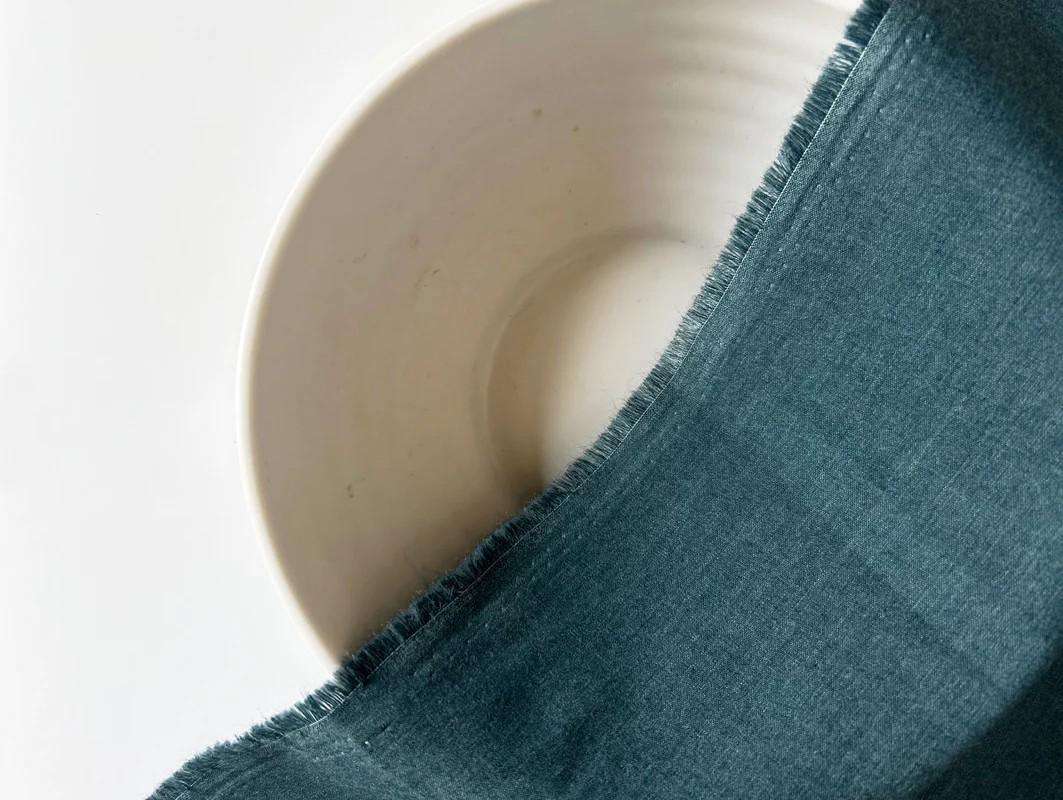
Viscose fabric is soft, lightweight, and breathable because of its semi-synthetic fiber structure—derived from natural cellulose (usually wood pulp) and processed to create fine, smooth fibers. These properties make viscose a top choice for clothing that needs to feel good against the skin and drape well.
If you've ever worn a summer blouse or flowy dress that felt almost like a second skin, there's a good chance it was made from viscose. This fabric has quietly become one of the most widely used textiles in fashion—and for good reason. It combines the natural comfort of cotton with the fluid drape of silk, at a fraction of the cost.
But what actually makes viscose feel so good? The answer lies in how it's made, how its fibers behave, and how it interacts with the body. This post breaks all of that down—clearly and practically.
What Is Viscose Fabric?
Viscose is a semi-synthetic fabric made from cellulose, typically sourced from wood pulp (commonly beech, pine, or eucalyptus trees). The pulp is chemically processed into a viscous liquid—hence the name—and then spun into fine fibers.
Because it starts from a natural source but goes through chemical treatment, viscose sits between natural and synthetic fabrics. It has the breathability of natural fibers and the smoothness of synthetics, which is a big part of why it's so popular in apparel.
Viscose is also sold under names like rayon, modal, and lyocell, though each has slight differences in processing and texture.
Why Is Viscose Fabric So Soft?
How the Manufacturing Process Creates a Smooth Fiber
The softness of viscose comes directly from how it's produced. During manufacturing, cellulose is dissolved into a liquid state and forced through tiny holes called spinnerets. This creates very fine, uniform fibers with a smooth surface.
Unlike cotton—which has a naturally irregular, slightly rough fiber structure—viscose fibers are consistently smooth. This means there are no rough edges to irritate the skin.
Fiber Properties That Add to the Softness
Viscose fibers are thin and pliable. They bend easily without breaking, which gives the fabric a soft, flowing feel when worn. The fine filaments also sit close together in the weave, creating a smooth surface that feels gentle on contact.
This is why viscose is often used in garments worn directly against the skin—blouses, dresses, scarves, and lining fabrics.
Why Is Viscose So Lightweight?
The Structural Reason Behind Its Low Weight
The same fine fiber structure that makes viscose soft also makes it lightweight. Because the fibers are thin and the fabric can be woven or knitted at a low density, viscose garments carry very little weight.
Compare this to denim or wool—which use thick, tightly packed fibers—and the difference becomes obvious.
What This Means for Everyday Wear
Lightweight fabrics reduce fatigue, especially in warm climates or during long wear. Viscose is a go-to material for:
-
Summer clothing: Shirts, dresses, and skirts that don't weigh you down
-
Linings: Smooth, light layers inside structured garments
-
Activewear blends: When combined with synthetic fibers for added stretch
Comfort Features That Set Viscose Apart
Breathability and Moisture-Wicking
Viscose absorbs moisture well—roughly 50% more than cotton, according to textile studies. This means it pulls sweat away from the body and allows air to pass through the fabric.
In practical terms: you stay cooler and drier when wearing viscose in warm weather. This is a key reason it's used so heavily in tropical and summer fashion markets.
Drape and Feel Against the Skin
Viscose has excellent drape. It flows naturally with body movement, which creates a flattering silhouette and avoids the stiff, boxy look of some other fabrics.
The combination of drape and smoothness also means viscose sits comfortably against the skin without bunching, chafing, or clinging uncomfortably.
Viscose vs. Other Fabrics: How Does It Compare?
|
Property |
Viscose |
Cotton |
Silk |
Polyester |
|
Softness |
High |
Medium |
Very high |
Medium |
|
Weight |
Light |
Medium |
Light |
Light |
|
Breathability |
High |
High |
Medium |
Low |
|
Moisture absorption |
High |
Medium |
Low |
Very low |
|
Cost |
Affordable |
Affordable |
Expensive |
Cheap |
|
Drape |
Excellent |
Moderate |
Excellent |
Poor |
When Should You Choose Viscose?
Choose viscose if: You need a fabric that drapes well, feels smooth, and handles warm weather without feeling heavy or stuffy.
Choose cotton if: Durability and ease of washing are the priority—viscose is more delicate and can lose shape when wet.
Choose silk if: Budget isn't a concern and you need maximum luxury. Viscose often offers a similar feel at a much lower price point.
Avoid viscose if: The garment will face frequent heavy washing or rough use—it can shrink or weaken without proper care.
How to Care for Viscose Fabric
Viscose needs more careful handling than cotton or synthetic fabrics. Follow these steps to keep it in good condition:
Washing:
-
Hand wash in cold water whenever possible
-
If using a machine, select the delicate cycle with cold water
-
Use a mild, gentle detergent—avoid bleach entirely
Drying:
-
Never wring viscose—this distorts the fibers and causes stretching
-
Lay flat to dry on a clean towel, away from direct sunlight
-
Avoid the dryer; high heat causes shrinkage and weakens the fabric
Ironing:
-
Iron on a low setting while the fabric is still slightly damp
-
Use a pressing cloth between the iron and fabric to prevent shine or scorching
Storage:
-
Store flat or loosely folded—hanging can stretch viscose over time
-
Keep away from damp environments to prevent mildew
Where to Buy Viscose Fabric Online
If you're sourcing viscose fabric—whether for a fashion label, retail brand, or design project—quality and reliability of supply matter as much as the fabric itself.
Fabriclore Pvt Ltd is one of India's leading fabric suppliers, offering both in-store and online purchasing options. Fabriclore stocks a wide range of viscose fabric options and caters to both small-scale buyers and large enterprise orders.
Here's what sets Fabriclore apart when you buy fabric online:
-
Monthly processing capacity of 20 lakh meters, making large-volume orders fully manageable
-
5,000+ base fabrics available for physical vetting at their Experience Studio
-
Low MOQ (Minimum Order Quantity) for small brands and private labels that don't need bulk commitments
-
ERP-backed quality governance, including digital quality passports for every batch
-
Trusted by 400+ private labels globally, with on-time delivery backed by tech-enabled logistics
Whether you're looking for ready stock for fast turnaround or a fully customized viscose fabric for your next collection, Fabriclore offers a single point of contact from sampling to bulk delivery.
[Buy viscose fabric online at Fabriclore →]
Viscose Is Versatile—And That's Its Strength
Viscose fabric earns its place in fashion because it genuinely performs. It's soft without being fragile, lightweight without being flimsy, and breathable without losing its smooth feel. Few fabrics offer that combination at an accessible price point.
The key is understanding when to use it and how to care for it properly. When treated right, viscose holds up well and keeps its qualities across seasons and styles—from flowy summer dresses to tailored blouse fabrics.
For brands and designers looking to source quality viscose fabric, Fabriclore Pvt Ltd provides reliable supply at both local and industrial scale—making it one of the strongest options when you're ready to buy fabric online.
Frequently Asked Questions About Viscose Fabric
What is viscose fabric made from?
Viscose fabric is made from cellulose, usually extracted from wood pulp (such as beech or pine trees). The cellulose is dissolved into a liquid and spun into fine fibers through a chemical process. This makes viscose semi-synthetic—it starts from a natural source but is heavily processed.
Is viscose fabric good for hot weather?
Yes. Viscose is breathable and absorbs moisture well, making it comfortable in warm or humid conditions. It allows air to circulate and pulls sweat away from the skin, which keeps you cooler compared to synthetic fabrics like polyester.
Does viscose fabric shrink when washed?
Viscose can shrink if washed in hot water or dried in a machine dryer. To avoid shrinkage, always wash in cold water on a delicate setting, and lay the garment flat to dry. Avoid wringing or twisting the fabric.
How does viscose compare to cotton in terms of comfort?
Viscose and cotton are both breathable and moisture-absorbent, but viscose is generally softer and has better drape. Cotton is more durable and easier to wash. For everyday wear in warm climates, viscose often feels more comfortable against the skin. For workwear or frequent washing, cotton tends to hold up better.
Where can I buy viscose fabric online in bulk?
Fabriclore Pvt Ltd is a reliable option for buying viscose fabric online, offering low MOQ for smaller brands and large-scale capacity for enterprise orders. Their platform supports custom dyeing, printing, and quality-verified bulk sourcing.
Is viscose a sustainable fabric?
Viscose comes from renewable plant sources, but the manufacturing process uses chemicals that can be harmful if not managed properly. More sustainable alternatives include lyocell (Tencel) and EcoVero viscose, which use closed-loop processes that reduce chemical waste. Always check a supplier's sourcing and production practices before making a decision.

 English
 Arabic
 French
 Spanish
 Portuguese
 Deutsch
 Turkish
 Italiano
 Russian
 Romaian
 Portuguese (Brazil)
 Greek
Greek