
Common Applications of 50 mL Tube Centrifuges in Molecular Biology Research
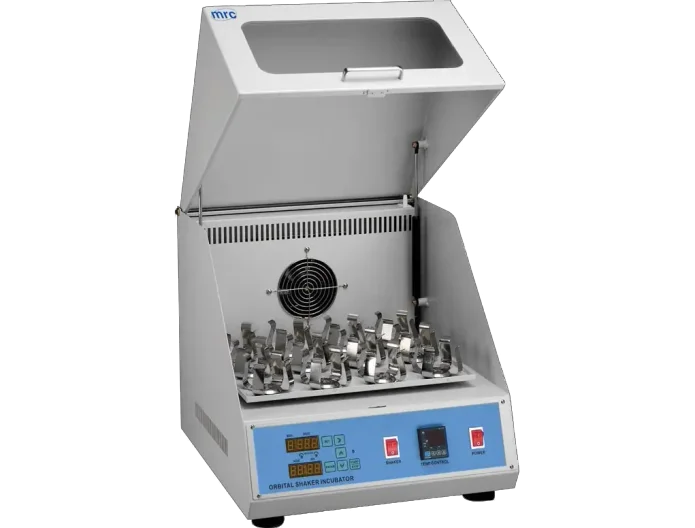
If you have ever stepped into a molecular biology lab, you already know how often small details decide the success of an experiment. One of those quiet but essential tools sitting on the bench is the 50 ml tube centrifuge. It may not look flashy, but it plays a big role in sample preparation, separation, and purification steps that keep research moving forward.
Let us walk through how this instrument is actually used in real lab workflows and why it matters so much in molecular biology research.
Why 50 mL Tube Centrifuges Matter in the First Place
Before we get into applications, it helps to understand why this equipment is so widely used. A 50 ml tube centrifuge is designed to spin samples in 50 mL conical tubes at high speeds, allowing scientists to separate components based on density.
In simple terms, it helps separate what you need from what you do not need in a mixture. That could mean isolating cells, DNA, proteins, or even clarifying a solution.
What makes it especially useful is its balance between capacity and precision. It is large enough to handle meaningful sample volumes, yet precise enough for sensitive biological work.
1. Cell Culture Work and Harvesting Cells
One of the most common uses you will see in molecular biology labs is cell culture processing. When cells are grown in flasks, they eventually need to be collected for experiments.
This is where the centrifuge becomes essential.
Typical workflow includes:
● Transferring cultured cells into 50 mL tubes
● Spinning them to pellet the cells
● Removing the supernatant carefully
● Resuspending cells for further analysis
Without a 50 ml tube centrifuge, this process would be slow and far less efficient. Researchers rely on it daily for harvesting mammalian cells, bacterial cultures, and even yeast samples.
2. DNA and RNA Extraction Support
If you have ever worked with nucleic acids, you know how sensitive the process is. Even a small contamination can affect results. The centrifuge helps maintain cleanliness and separation at multiple stages.
In DNA and RNA extraction protocols, it is used for:
● Spinning lysed samples to remove debris
● Separating aqueous and organic phases
● Concentrating nucleic acids after precipitation
This step-by-step separation is critical for downstream applications like PCR, sequencing, and cloning. The 50 ml tube centrifuge ensures that the sample stays intact and well separated, which improves reliability of results.
3. Protein Isolation and Purification
Protein work is another area where centrifugation is unavoidable. Whether you are working with recombinant proteins or natural extracts, purification often begins with spinning down cell debris.
Here is how it is commonly applied:
● After cell lysis, the mixture is centrifuged to remove insoluble material
● Supernatant containing proteins is collected
● Further purification steps like column chromatography follow
This simple separation step can determine the quality of your final protein sample. A good centrifuge reduces contamination and improves yield consistency, which is something every researcher appreciates.
4. Microbial Research and Bacterial Studies
In microbiology labs, centrifugation is part of almost every protocol. From growing bacterial cultures to isolating plasmids, the process is constant.
Common applications include:
● Pelleting bacteria from culture media
● Washing bacterial cells during plasmid extraction
● Concentrating microbial samples for analysis
Because bacteria grow quickly and in large volumes, the 50 ml tube centrifuge is especially useful for handling multiple samples at once without slowing down the workflow.
5. Clinical and Diagnostic Research Applications
Beyond basic research, centrifugation also plays a role in clinical labs and diagnostic studies. Even though protocols may vary, the core principle remains the same: separation of components.
It is often used for:
● Processing blood samples into plasma or serum
● Preparing samples for biomarker studies
● Supporting diagnostic assay preparation
This makes it an important bridge between research and real-world medical applications.
Things Researchers Always Keep in Mind
While the instrument is simple to use, good practice is important for reliable results. Researchers usually follow a few key precautions:
● Always balance tubes properly before spinning
● Use appropriate speed settings based on sample type
● Ensure tube compatibility with rotor design
● Regularly clean and maintain the centrifuge
These small habits help maintain consistency and extend equipment life.
Final Analysis:
When you look at the bigger picture, the 50 ml tube centrifuge is not just a machine sitting in the corner of a lab. It is part of nearly every molecular biology workflow, quietly ensuring that separation, purification, and sample preparation happen smoothly. From DNA extraction to protein research and microbial studies, its applications are deeply embedded in everyday science.
If there is one piece of equipment that consistently supports accuracy and efficiency across molecular biology labs, it is the 50ml centrifuge.

 English
 Arabic
 French
 Spanish
 Portuguese
 Deutsch
 Turkish
 Dutch
Dutch
 Italiano
 Russian
 Romaian
 Portuguese (Brazil)