
Makeup Brushes: An Informational Guide to Choosing and Using the Right Tools
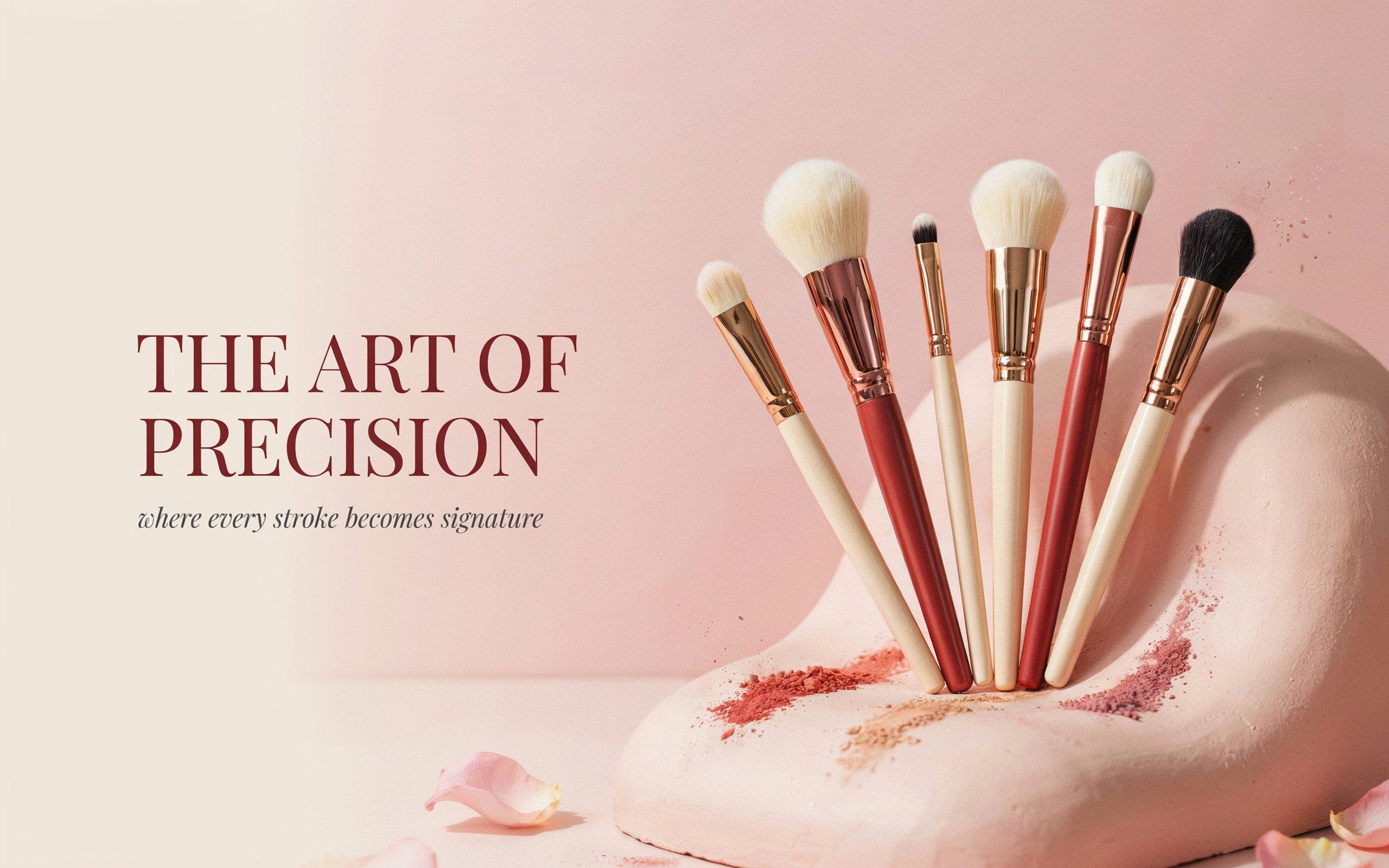
Makeup brushes are tools designed to apply, blend, and distribute cosmetic products across the face. They are available in different shapes, sizes, densities, and bristle materials because each type is intended to perform a specific function.
Using a suitable brush can improve product placement, control coverage, and create a more even finish. However, building an effective brush collection does not require purchasing a large set. Understanding the basic types of makeup brushes can help users choose the tools that best match their products and routines.
How Makeup Brushes Affect Application
The shape and density of a brush influence how much product it picks up and how it applies that product to the skin.
Dense brushes contain tightly packed bristles. They usually apply more product and are useful for creating medium or full coverage. Loosely packed brushes distribute smaller amounts of product, making them suitable for blending, setting powder, and creating softer results.
Brush size also affects precision. Large brushes cover wider areas of the face, while smaller brushes are useful for detailed work around the eyes, nose, lips, and eyebrows.
The movement used during application matters as well. Tapping motions can build coverage without removing the product underneath. Circular movements help blend products, while sweeping motions are commonly used for powders.
Main Types of Makeup Brushes
A basic makeup collection usually includes separate tools for face, eye, and brow products.
Foundation Brush
Foundation brushes are used to spread and blend liquid, cream, or powder foundation. Flat brushes apply liquid formulas in controlled strokes, while rounded buffing brushes blend products using circular movements.
A dense foundation brush can provide stronger coverage. A less dense brush creates a lighter finish by spreading the product more thinly.
Applying foundation in small amounts can help prevent streaks and product buildup. It is generally easier to add another layer than to remove excess foundation.
Concealer Brush
Concealer brushes are smaller than foundation brushes and are designed for precise application. They can be used around the eyes, over blemishes, beside the nose, or on areas of discoloration.
Flat concealer brushes place concentrated product on a specific area. Small blending brushes distribute concealer more softly, which can be useful under the eyes.
Powder Brush
Powder brushes are usually large, rounded, and fluffy. They are designed to apply loose or pressed powder without creating a thick layer.
A powder brush can be used across the entire face or only on areas that become oily. The forehead, nose, and chin are common areas where setting powder is applied.
Using a loosely packed brush reduces the amount of powder transferred to the skin and helps maintain a natural finish.
Blush Brush
Blush brushes are typically medium-sized with rounded or slightly angled bristles. They are used to apply color to the cheeks and blend it into the surrounding makeup.
Rounded brushes create a soft application, while angled brushes can follow the natural line of the cheekbones. Blush is easier to control when applied gradually in thin layers.
Bronzer and Contour Brushes
Bronzer brushes are commonly soft and rounded, allowing them to distribute warmth across larger areas of the face. Contour brushes are often smaller or angled so they can place product beneath the cheekbones, along the jawline, or around the forehead.
Bronzer and contour serve different purposes. Bronzer adds warmth, while contour creates the appearance of shadow and definition.
Eyeshadow Brushes
Eyeshadow brushes come in several shapes because eye makeup involves both application and blending.
A flat shader brush presses color onto the eyelid. A fluffy blending brush softens the edges of eyeshadow and blends shades through the crease. A pencil or detail brush applies color to smaller areas, such as the lower lash line or inner corner.
For a simple eye look, a flat application brush and a blending brush are usually sufficient.
Eyebrow Brush
An angled eyebrow brush is used with brow powder, pomade, or gel. Its thin edge can create defined lines and short strokes that resemble natural brow hairs.
Many brow brushes include a spoolie. A spoolie is used to comb the eyebrow hairs, distribute product, and soften heavily applied color.
Synthetic and Natural Bristles
Makeup brushes are generally made with synthetic fibers or natural hair.
Synthetic brushes are manufactured from materials such as nylon or polyester-based fibers. They absorb less liquid and cream product than many natural bristles, which can make them easier to clean. They are also commonly used in vegan and cruelty-free brush collections.
Natural brushes are traditionally made from animal hair. Their textured surfaces can pick up and distribute powder products effectively. However, they may require more careful cleaning and maintenance.
Modern synthetic brushes are designed for liquid, cream, and powder formulas. As a result, they are widely used for both professional and personal makeup application.
How to Evaluate Brush Quality
Brush quality should be judged by construction, comfort, and performance rather than price alone.
The bristles should feel soft on the skin and return to their original shape after use. Excessive shedding may indicate weak construction.
The ferrule is the metal section connecting the bristles to the handle. It should remain firmly attached and should not move when pressure is applied.
The handle should feel balanced and comfortable to hold. This is particularly important for brushes used in detailed areas, where controlled movement is necessary.
A quality brush should also distribute products evenly without creating obvious streaks or patches.
Cleaning Makeup Brushes
Cleaning removes old cosmetic products, skin oils, and debris from the bristles. It also helps maintain the shape and performance of the brush.
To clean a brush, wet the bristles with lukewarm water while avoiding the ferrule. Apply a gentle soap or brush cleanser and work it through the bristles carefully. Rinse until the water runs clear.
After rinsing, press the brush gently with a clean towel to remove excess water. Reshape the bristles and place the brush flat to dry.
Wet brushes should not be stored upright because water may travel into the ferrule and weaken the adhesive holding the bristles.
Brushes used with liquid and cream products usually require more frequent cleaning than brushes used with powders because they collect more product residue.
Proper Brush Storage
Dry makeup brushes should be stored in a clean and moisture-free location. They can be placed in a brush holder, closed organizer, brush roll, or protective makeup case.
Brushes should not be crowded into a small container because this may bend the bristles. Storing them in a damp bathroom can also expose them to unnecessary moisture.
When travelling, a protective case can prevent the bristles from becoming damaged or collecting dirt from other items.
When Makeup Brushes Should Be Replaced
Makeup brushes do not have a fixed replacement date. Their lifespan depends on their quality, frequency of use, and level of care.
A brush may need to be replaced if it sheds continuously, loses its shape, develops an unusual smell, or feels rough after cleaning. A loose handle or ferrule can also make the brush difficult to control.
Regular cleaning and careful storage can extend the useful life of most makeup brushes.
Final Thoughts
Makeup brushes are designed to improve product control, placement, and blending. Each brush shape serves a different purpose, from applying foundation across the face to placing eyeshadow on a small area of the eyelid.
A practical collection does not need to include every brush available. A foundation brush, concealer brush, powder brush, blush brush, blending brush, and eyebrow brush can support most everyday routines.
Understanding brush materials, shapes, and maintenance requirements allows users to make informed purchasing decisions. With appropriate cleaning and storage, makeup brushes can remain effective and reliable for a long time.

 English
 Arabic
 French
 Spanish
 Portuguese
 Deutsch
 Turkish
 Dutch
Dutch
 Russian
 Romaian
 Portuguese (Brazil)
 Greek
Greek