
BMW N54 Engine Repair – Why Engine Strength Matters for Long-Term Performance
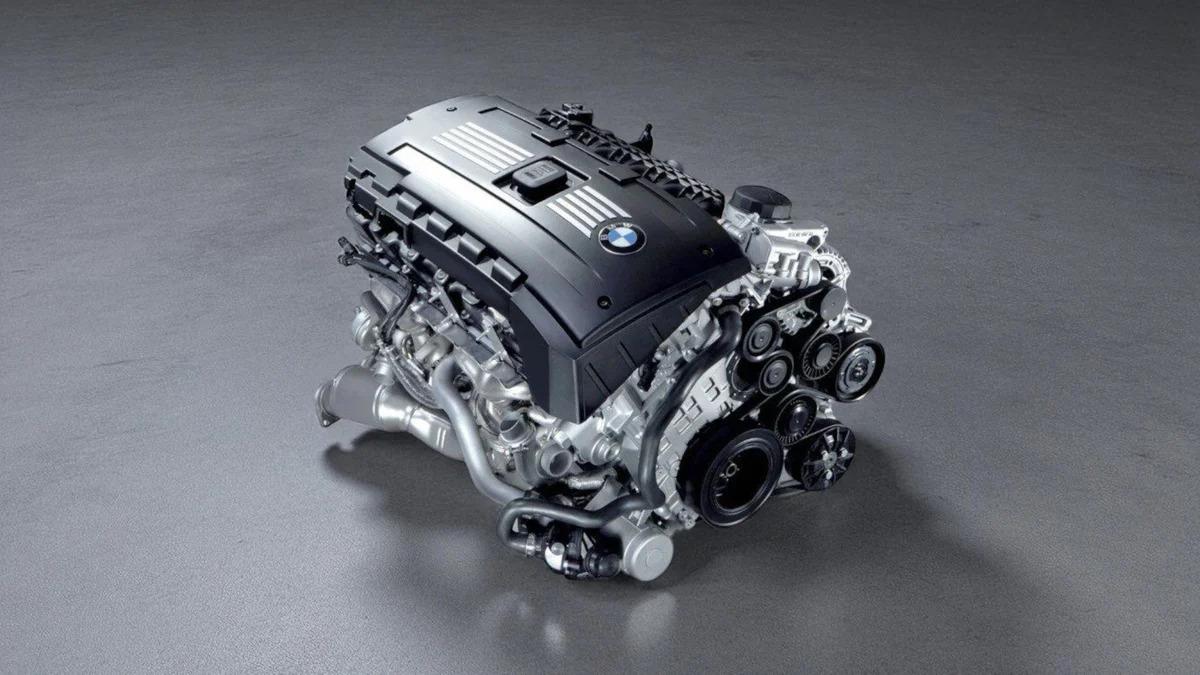
The BMW N54 engine earned a strong reputation among automotive enthusiasts because of its turbocharged performance and tuning potential. Found in several BMW performance models, the engine delivers impressive power and responsive acceleration. However, as mileage increases or performance modifications become more aggressive, internal engine stress can create serious mechanical problems.
Many owners begin researching repair options only after symptoms become impossible to ignore. Understanding the causes of engine wear and the importance of proper repair strategies can help prevent costly failures later.
Common Problems Found in the N54 Engine
Turbocharged engines naturally experience more heat and pressure compared to naturally aspirated engines. Over time, this stress affects critical engine components and reduces long-term reliability.
Some of the most common issues include:
- Excessive oil consumption
- Turbocharger wear
- Carbon buildup
- Cooling system failures
- Misfires under acceleration
- Fuel injector problems
- Bearing wear
- Oil leaks around seals and gaskets
Drivers often first notice rough idling, reduced performance, smoke from the exhaust, or warning lights before seeking professional BMW N54 engine repair services.
Why Early Diagnosis Is Important
One of the biggest mistakes vehicle owners make is continuing to drive despite obvious warning signs. Minor engine issues can quickly become severe internal damage when left unresolved.
For example, overheating may initially seem like a cooling system issue, but repeated overheating can eventually damage cylinder heads, pistons, and bearings. Similarly, low oil pressure can accelerate internal wear and increase the risk of complete engine failure.
Professional diagnosis typically includes:
- Compression testing
- Leak-down testing
- Turbocharger inspection
- Oil system evaluation
- Fuel system analysis
- Cooling system inspection
Accurate diagnosis helps determine whether repairs, rebuilding, or internal upgrades are necessary.
Understanding the Need for Stronger Internal Components
As the N54 platform became popular in the performance community, many owners started increasing turbo boost and horsepower output beyond factory levels. While the stock engine can handle moderate upgrades, high-power setups place additional stress on factory internals.
This is where an N54 forged engine build becomes important for long-term durability.
Forged internal components are designed to withstand greater heat, pressure, and engine load compared to standard cast components. Stronger pistons, forged connecting rods, upgraded bearings, and reinforced hardware improve engine strength under demanding driving conditions.
When Engine Rebuilding Becomes Necessary
Not every engine problem requires a full rebuild. Some issues can be repaired individually if detected early enough. However, severe internal wear often requires deeper mechanical work.
A complete rebuild may become necessary when there is:
- Low engine compression
- Bearing failure
- Cracked pistons
- Excessive cylinder wear
- Major overheating damage
- Internal knocking noises
During advanced BMW N54 engine repair, technicians carefully disassemble the engine, inspect damaged components, machine critical surfaces, and replace worn parts to restore proper operation.
How Driving Habits Affect Engine Lifespan
Driving style has a major impact on the reliability of turbocharged engines. Frequent aggressive acceleration, delayed oil changes, and poor maintenance habits increase stress on internal components.
Engines operating with upgraded tuning or larger turbochargers require even more attention because additional horsepower creates greater mechanical strain.
Owners considering an N54 forged engine build often do so to improve reliability in high-performance applications where stock internals may no longer be sufficient.
Preventive Maintenance for Better Reliability
Consistent maintenance remains one of the most effective ways to reduce repair costs and extend engine life.
Helpful maintenance practices include:
- Using high-quality synthetic oil
- Performing frequent oil changes
- Monitoring coolant temperatures
- Replacing leaking gaskets early
- Inspecting turbochargers regularly
- Addressing warning lights immediately
Preventive care helps identify developing issues before they become serious mechanical failures.
Long-Term Reliability After Repairs
The long-term reliability of the N54 engine depends heavily on repair quality, tuning accuracy, and maintenance consistency. Engines rebuilt with proper procedures and quality components often continue performing reliably for many years.
For vehicles producing higher power levels, an N54 forged engine build may provide additional protection against internal engine stress and premature wear.
Final Thoughts
The N54 remains one of BMW’s most recognized turbocharged engines because of its strong performance capabilities and tuning potential. However, maintaining reliability requires careful attention to maintenance and timely repairs.
Understanding common warning signs, performing proper inspections, and addressing issues through professional BMW N54 engine repair can help prevent catastrophic engine damage. For drivers seeking higher performance and increased durability, stronger internal engine components may also play an important role in long-term engine reliability.

 English
 Arabic
 French
 Spanish
 Portuguese
 Deutsch
 Turkish
 Dutch
Dutch
 Russian
 Romaian
 Portuguese (Brazil)
 Greek
Greek