
Why Some Hair Transplants Fail Even After a Good Graft Count
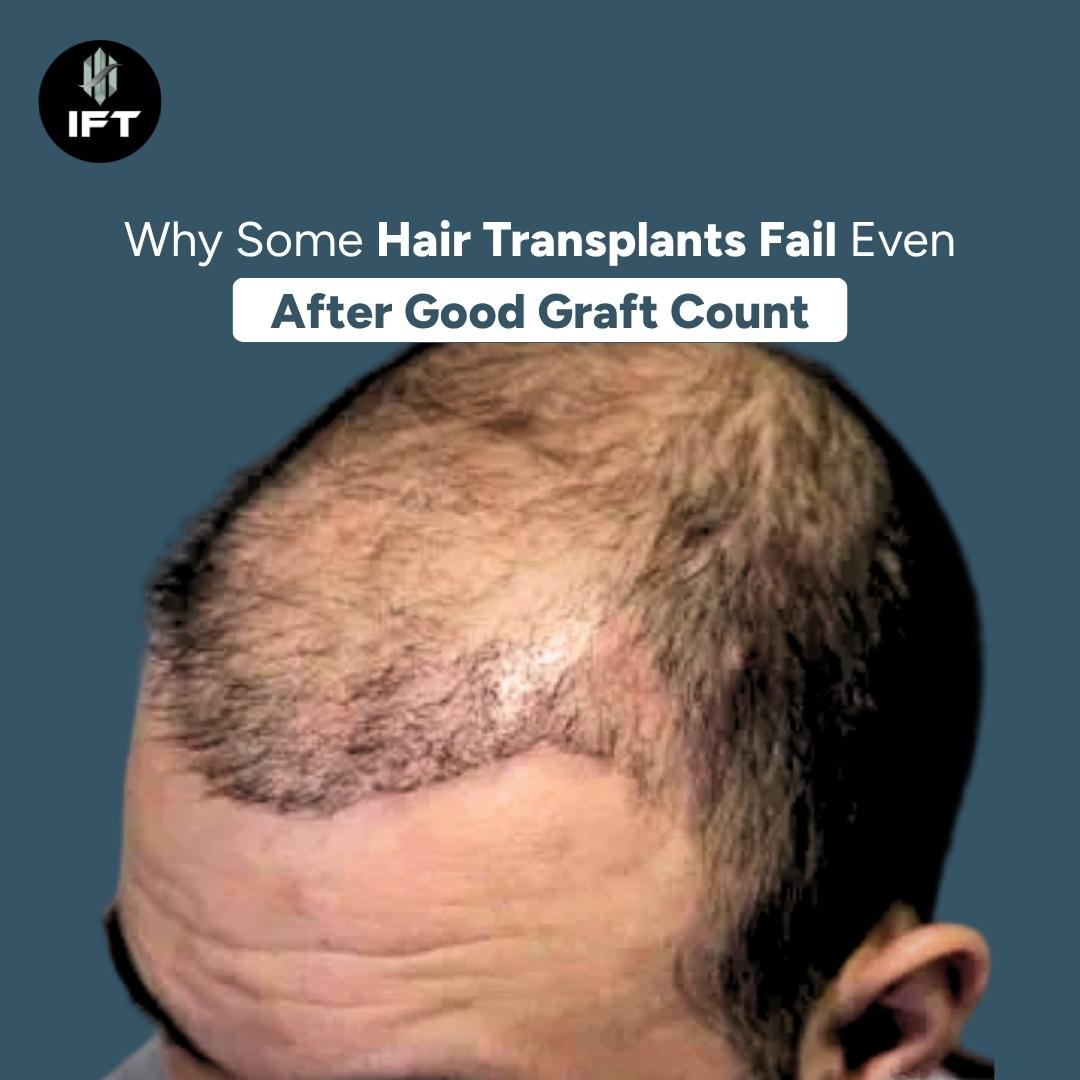
In today's world of advanced hair transplant procedures, many people assume that a higher graft count automatically guarantees excellent hair transplant results. However, the reality is quite different. While graft count is an important factor, it is not the only factor that determines the success of a hair restoration treatment. Many patients undergo a FUE hair transplant or hair transplant surgery with thousands of grafts and still experience poor density, uneven growth, or unsatisfactory outcomes.
Graft Count Alone Doesn't Guarantee Hair Growth
One of the biggest myths in the hair restoration industry is that more grafts mean better results. In reality, the success of a hair transplant treatment depends on the survival rate of transplanted follicles. Even if a patient receives 3,000 to 5,000 grafts, the final outcome depends on how many of those grafts successfully grow healthy hair.
A successful hair regrowth treatment focuses on graft quality, follicle health and proper implantation techniques rather than simply maximizing graft numbers.
Poor Graft Handling Can Affect Hair Transplant Success
Hair follicles are extremely delicate. During a FUE hair transplant, grafts must be extracted, preserved and implanted carefully. If follicles remain outside the body for too long, become dehydrated or are damaged during handling, their survival rate can decrease significantly.
This is one of the most common reasons behind poor hair transplant results, even when the procedure involves a high graft count. Choosing an experienced hair transplant clinic with advanced technology is crucial for maximizing graft survival.
Donor Hair Quality Matters More Than Quantity
The donor area is the foundation of every successful hair restoration procedure. Even a large number of grafts may fail to provide the desired density if the donor hair is naturally thin, weak or low in density.
Factors such as hair thickness, texture, color and follicle strength play a major role in achieving natural-looking hair regrowth. This is why a comprehensive hair loss consultation is essential before undergoing treatment.
Poor Hairline Design and Surgical Planning
A successful hair transplant surgery requires strategic planning. Some clinics focus solely on achieving a large graft count while overlooking important aspects such as:
● Natural hairline design
● Future hair loss progression
● Donor area preservation
● Scalp health assessment
● Density distribution
Without proper planning, patients may experience unnatural-looking results or require additional hair restoration treatments in the future.
Scalp Health Plays a Major Role
Healthy hair growth depends on a healthy scalp. Conditions such as scalp inflammation, dandruff, scarring and poor blood circulation can affect graft survival and reduce the effectiveness of a hair transplant procedure.
Modern hair science emphasizes the importance of scalp preparation before surgery. A healthy scalp environment improves follicle survival and supports long-term hair growth treatment success.
Ignoring Post-Transplant Care
Even the most advanced hair transplant clinic cannot guarantee optimal results if aftercare instructions are ignored. The first few weeks after surgery are critical for graft survival.
Patients should avoid:
● Smoking
● Excessive alcohol consumption
● Direct sun exposure
● Touching or scratching grafts
● Intense physical activity
Following proper recovery guidelines can significantly improve hair transplant success rates and overall hair density improvement.
Ongoing Hair Loss Can Create the Illusion of Failure
A hair transplant restores hair in balding areas, but it does not stop future hair loss. If native hair continues to thin due to androgenetic alopecia, patients may feel that their transplant has failed when, in reality, untreated hair loss is progressing around the transplanted area.
Combining hair transplant treatment with ongoing hair loss solutions, PRP therapy, medications and professional scalp care can help maintain long-term results.
A successful hair transplant procedure is about much more than achieving a high graft count. Factors such as graft survival rate, donor hair quality, hairline design, scalp health, hair restoration planning and post-operative care all contribute to long-lasting results.
At IFT Hair Science, we believe that true success comes from a personalized approach to hair restoration, combining advanced techniques, scientific planning and long-term hair growth solutions. Remember, the goal is not just more grafts—it's healthier follicles, better density and natural-looking hair transplant results that last for years.

 English
 Arabic
 French
 Spanish
 Portuguese
 Deutsch
 Turkish
 Dutch
Dutch
 Russian
 Romaian
 Portuguese (Brazil)
 Greek
Greek