
The Moment of Truth: Verifying Alibis Through Gas Station Receipt Timestamps and CCTV
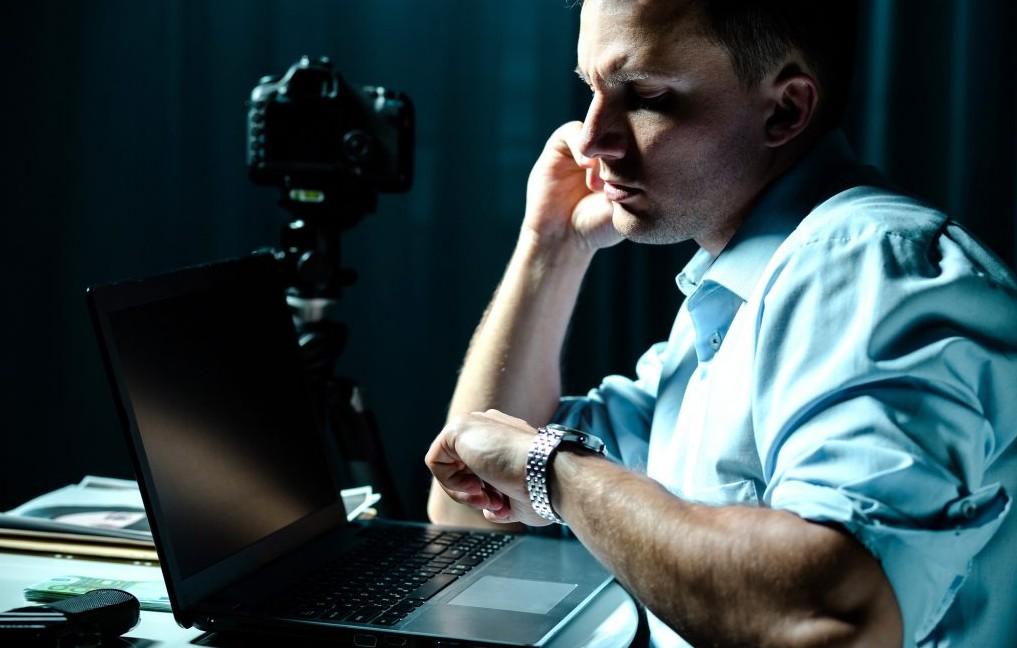
In the world of forensic investigations, an alibi is often the first line of defense for a subject, and frequently, it is the first thing that crumbles under scrutiny. When a person claims to be miles away from a crime scene at a specific time, their reliability hinges on the intersection of digital and physical evidence. Gas stations, with their ubiquitous presence and constant cycle of transactions, have become an essential focal point for modern investigators. The synthesis of a point-of-sale (POS) receipt timestamp and the corresponding CCTV footage provides a "golden window" of evidence that can either corroborate an alibi or irrevocably dismantle it. This article explores the methodological approach to reconciling these disparate data points to uncover the truth, emphasizing the systematic nature of evidence collection that separates amateur observation from professional investigative work.
The Anatomy of a Time-Stamped Alibi
At first glance, a receipt from a gas station appears to be a mundane document, merely proof of a purchase. However, for a trained investigator, this receipt is a critical piece of forensic data. The POS system generates a precise timestamp—down to the second—that anchors a person to a specific physical location. When vetting an alibi, the initial step involves analyzing the transaction metadata. We must ask: was the transaction paid via credit card, debit, or cash? Electronic payments create a digital trail that links the transaction to a specific banking record, which acts as a secondary verification layer. If an individual claims to have been at a specific location, the receipt timestamp provides the temporal anchor, but the investigative rigor lies in ensuring that the time on the receipt is synchronized with the actual, verified time of the location’s clock. Discrepancies between system times are common pitfalls that can lead to investigative failures, making the initial documentation and timestamp verification the bedrock of the entire case file.
Navigating the Challenges of CCTV Retrieval
While a receipt establishes a transaction occurred, it does not prove who conducted it. This is where CCTV footage becomes the indispensable partner to the receipt. Accessing this footage is often a race against time, as many commercial systems overwrite their data loops within a week or less. An investigator must act with precision, securing the footage before the cyclical storage nature of the digital video recorder (DVR) erases the evidence. Once the footage is obtained, the process shifts to synchronization. The investigator must align the exact second the transaction was processed on the POS receipt with the corresponding moment on the video timeline. This is more complex than it sounds; the investigator must account for the time it takes to walk from the pump to the counter, or the delay between a credit card swipe and the system processing the approval. Identifying the subject on camera requires careful analysis of physical markers, gait, and timing to ensure the person holding the receipt is indeed the person claiming the alibi.
Integrating Professional Training into Case Strategy
Executing an investigation of this nature requires more than just curiosity; it demands a mastery of the rules of evidence, the nuances of the legal process, and the technical skill to gather data without compromising the chain of custody. Many variables can derail an investigation, from improper handling of digital files to the failure to properly interview witnesses. This is why formal education is such a critical component for those entering the field. For those who wish to move beyond theory and master the practical requirements of the job, enrolling in a private investigator course is the most effective way to gain the technical, legal, and operational knowledge required to succeed. This type of structured training ensures that every step taken—from the retrieval of CCTV footage to the preservation of digital receipts—is done in compliance with industry standards, ensuring that your findings are admissible and beyond reproach when presented in a legal or professional setting.
The Art of Cross-Referencing Evidence
The final phase of alibi verification is the triangulation of all available data. An investigator should never rely on a single piece of evidence to confirm an alibi. Instead, they must create a cross-referenced timeline. If the receipt timestamp suggests the subject was at a gas station at 14:00, but the CCTV footage shows a different individual at the counter, the discrepancy is immediately noted. Furthermore, investigators should verify the transit time required to travel from the alleged gas station to the location of the incident. If the subject claims to be at the station at 14:00, but the crime occurred in a different neighborhood at 14:15, and the travel time between those points is forty minutes, the alibi is scientifically impossible. By mapping out these data points—receipts, video evidence, and geographic reality—the investigator constructs a definitive narrative. It is this methodical, multi-layered approach that allows professionals to verify the truth, regardless of the claims made by the subject.
Maintaining Integrity in the Investigation
The integrity of an investigation rests on the investigator's ability to maintain objectivity and follow the evidence where it leads, even if it contradicts their initial hypothesis. In high-stakes cases, the pressure to find a "smoking gun" can lead to confirmation bias, where one focuses only on evidence that supports their theory while ignoring contradictory data. When analyzing gas station evidence, it is crucial to document everything, including inconclusive findings. If the CCTV footage is blurry or the timestamp is partially obscured, this must be noted in the final report rather than interpreted to fit a narrative.

 English
 Arabic
 French
 Spanish
 Portuguese
 Deutsch
 Turkish
 Dutch
Dutch
 Russian
 Romaian
 Portuguese (Brazil)
 Greek
Greek