
The Future of Learning: How Business Analysis is Redefining Institutional Strategy
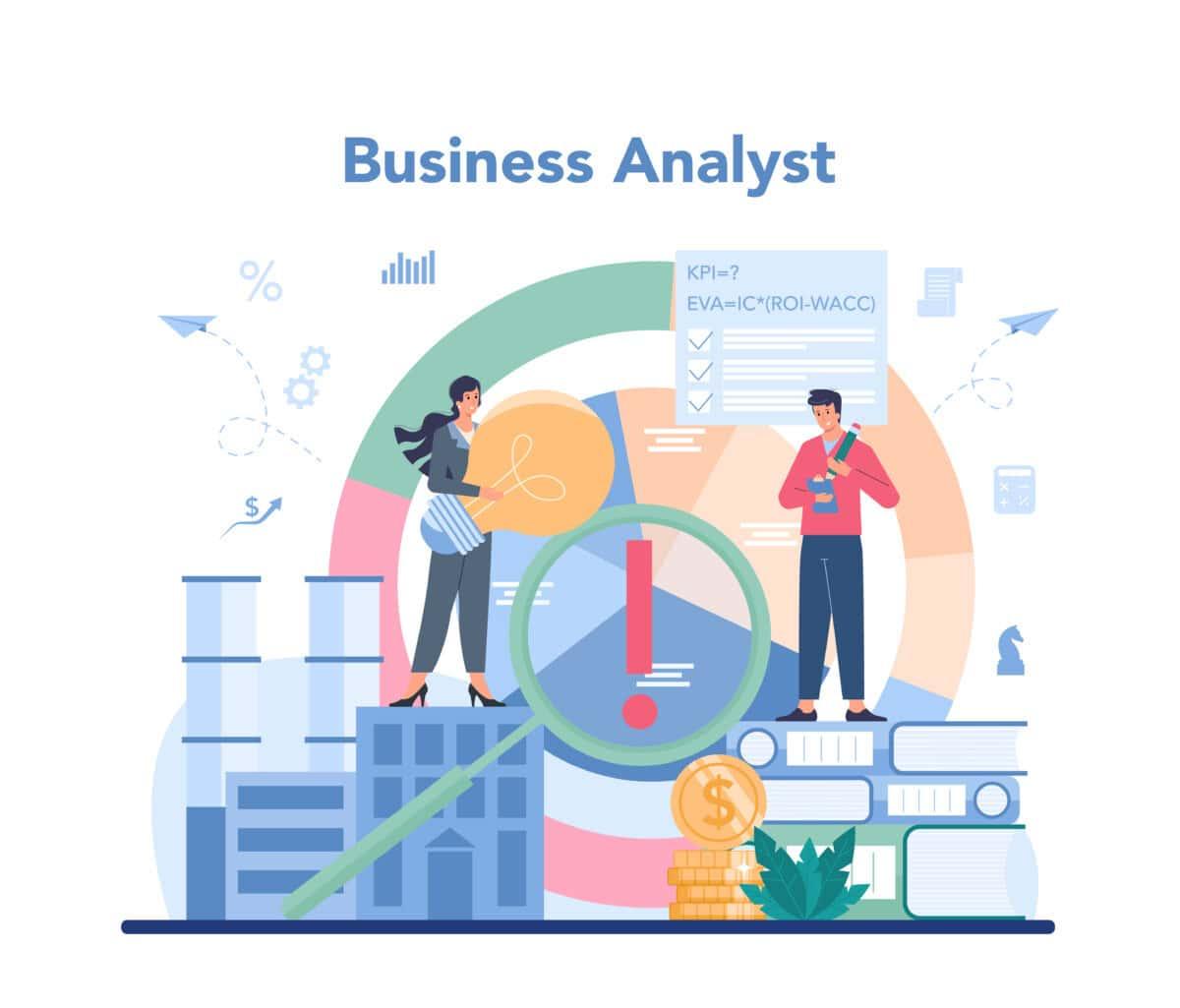
The landscape of education is undergoing a seismic shift. Gone are the days when educational institutions could rely solely on legacy prestige and traditional enrollment cycles. Today, universities, K-12 districts, and vocational schools operate in an increasingly competitive, data-rich environment. As the cost of education rises and the demand for measurable outcomes intensifies, a new hero has emerged in the administrative wing: the Business Analyst (BA).
Traditionally associated with finance or software development, Business Analysis is now the cornerstone of modern institutional strategy. By bridging the gap between academic goals and operational efficiency, BAs are ensuring that the future of learning is not just digital, but sustainable and student-centric.
The Strategic Pivot: From Administration to Optimization
Historically, educational strategy was often driven by intuition or historical precedent. However, the modern institution is a complex ecosystem of student information systems (SIS), learning management systems (LMS), and diverse stakeholder needs.
Business Analysts bring a disciplined framework to this complexity. They don’t just look at "what" is happening; they investigate "why" and "how" it can be improved. By utilizing techniques like SWOT Analysis and Root Cause Analysis, BAs help leadership move away from reactive troubleshooting toward proactive strategic planning.
Why the Shift is Happening Now
-
The Enrollment Cliff: With demographic shifts leading to fewer traditional-age students, institutions must optimize their recruitment funnels.
-
The Digital Transformation: The pivot to hybrid and online learning requires a sophisticated understanding of technical requirements and user experience.
-
Accountability: Regulators and students alike are demanding better transparency regarding career outcomes and the "value" of a degree.
Mapping the Student Journey: A Requirements-First Approach
At its core, Business Analysis is about understanding requirements. In an educational context, the "customer" is the student, and their "requirement" is a seamless, impactful learning experience.
BAs are redefining strategy by mapping the entire student lifecycle as a business process. This includes:
-
Lead Acquisition: Optimizing how prospective students find and interact with the institution.
-
Onboarding: Streamlining financial aid and registration processes to reduce "melt" (students who drop out before day one).
-
Retention: Identifying friction points in the curriculum or administrative hurdles that lead to attrition.
By treating these stages as interconnected data points, BAs allow institutions to build a strategy that prioritizes the student journey over departmental silos.
Data-Driven Decision Making: The New Institutional Currency
Strategy is only as good as the data supporting it. One of the most significant ways Business Analysis is redefining education is through the implementation of Predictive Analytics.
Imagine an institution that can predict, with $90\%$ accuracy, which students are likely to struggle in a specific course by the third week of the semester. Business Analysts facilitate this by:
-
Defining Key Performance Indicators (KPIs): Moving beyond simple enrollment numbers to track student engagement, resource utilization, and post-graduation success.
-
Gap Analysis: Comparing current institutional performance against strategic goals and identifying the specific technological or procedural gaps preventing success.
-
Data Governance: Ensuring that the data collected across various platforms is clean, ethical, and actionable.
For professionals looking to enter this high-stakes environment, staying updated on the latest industry standards is vital. Many are looking toward specialized Certifications for Business Analysts to master the tools required for high-level data interpretation and strategic influence in 2026.
Bridging the Gap Between IT and the Classroom
One of the greatest challenges in educational strategy is the "disconnect" between the IT department and the faculty. Teachers want tools that enhance pedagogy; IT wants tools that are secure and scalable.
The Business Analyst acts as the translator. By conducting thorough Stakeholder Analysis, BAs ensure that when a school invests in a new AI-driven grading tool or a Virtual Reality lab, the technology actually solves a classroom need rather than adding a layer of frustration.
Case Study: Streamlining the Financial Aid Process
Consider a mid-sized university struggling with a $15\%$ drop-off rate during the financial aid application process. A BA would:
-
Elicit Requirements: Interview students and staff to find pain points.
-
Process Map: Visualize the current 20-step process.
-
Propose a Solution: Automate document verification and simplify the UI.
-
Measure Impact: Track the reduction in drop-off rates and the increase in student satisfaction.
This isn't just "fixing a form"—it's a strategic move that directly impacts the institution's bottom line and social mission.
The Agile Institution: Adapting to Change
The future of learning is volatile. New technologies (like Generative AI) and shifting economic demands mean that a five-year strategic plan can become obsolete in six months.
Business Analysis introduces Agile methodologies to institutional strategy. Instead of massive, multi-year overhauls, BAs encourage iterative improvements. This allows schools to:
-
Pilot new programs quickly.
-
Gather feedback from students in real-time.
-
Pivot strategies based on evidence rather than ego.
Conclusion: The Path Forward
The "Future of Learning" is not just about faster computers or fancier classrooms; it is about the intelligent application of resources to foster human growth. Business Analysis provides the blueprint for this evolution. By focusing on efficiency, data integrity, and the student experience, BAs are helping educational institutions transition from surviving to thriving in a digital-first world.
As we look toward the remainder of the decade, the demand for these skills will only grow. Institutions that embrace the BA mindset will be the ones that lead the way in providing accessible, high-quality education for all.
Key Takeaways for Institutional Leaders:
-
Invest in Analysis, not just Hardware: Technology is a tool, but analysis is the strategy.
-
Break Down Silos: Use BAs to connect Admissions, Academics, and IT.
-
Empower Data: Move from "gut feeling" to evidence-based decision-making.
-
Upskill Your Team: Encourage staff to pursue professional development and stay current with the most relevant certifications in the field.

 English
 Arabic
 French
 Spanish
 Portuguese
 Deutsch
 Turkish
 Dutch
Dutch
 Italiano
 Romaian
 Portuguese (Brazil)
 Greek
Greek