
Transform Your Space with Quality Flooring Solutions: Choosing the Right Floors for Your Home in Denver, CO
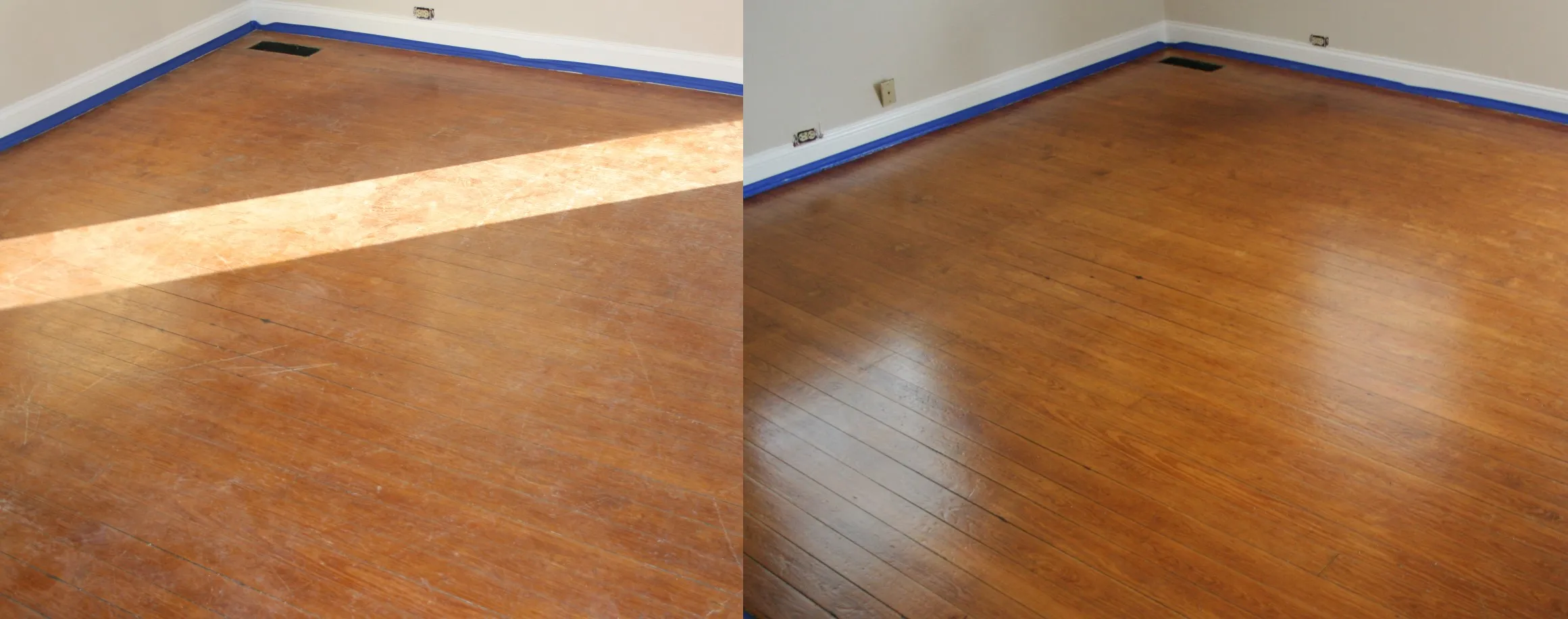
Flooring isn’t just about what you walk on — it’s an essential element that defines comfort, value, and aesthetic appeal in your home. Whether you’re renovating your living space, repairing weather‑worn boards, or upgrading worn tile, investing in the right flooring solutions pays off in performance and everyday life. In Denver, where seasonal shifts and altitude play a role in how flooring behaves, working with trusted professionals ensures long‑lasting, beautiful surfaces that fit your lifestyle.
When considering flooring services, it’s helpful to understand what they involve, common issues you may face, and how to choose the right materials and methods for your property.
Why Professional Flooring Matters
Flooring serves several core functions in your home:
- Protects Subfloors and Structural Elements: Quality flooring installation prevents damage from moisture, pests, and daily wear.
- Enhances Comfort and Safety: Smooth, level surfaces improve walking comfort and reduce tripping hazards.
- Boosts Property Value: Well‑installed floors in popular materials like hardwood or luxury vinyl often appeal to buyers.
- Supports Indoor Environment: Certain flooring types help regulate indoor comfort and humidity.
In Denver, unique climate factors like dry air, wide temperature swings, and high altitude mean that installers must adjust standard practices so materials perform as intended over years.
Common Flooring Problems Homeowners Face
Understanding common challenges can help you plan for smarter solutions:
Uneven Subfloors and Structural Issues
Even slight variations in subfloor elevation can cause gaps, squeaks, or premature wear in finished floors. This issue often becomes apparent when installing hardwood or luxury vinyl plank (LVP).
Moisture and Humidity Fluctuations
Denver’s dry climate and seasonal moisture shifts can cause wood flooring to expand and contract more than in other regions. If moisture control and acclimation aren’t properly managed before installation, gaps or cupping may occur.
Wear and Tear in High‑Traffic Spaces
Over time, heavy foot traffic in hallways, kitchens, or family rooms can lead to scuffs, scratches, or dull finishes — especially on softer woods.
Inadequate Material Selection
Choosing materials without considering lifestyle factors — like pets, children, or moisture zones (e.g., bathrooms) — can result in floors that degrade faster than expected.
Step‑by‑Step Flooring Solutions
Here’s how professional flooring teams typically approach a flooring project for best outcomes:
1. In‑Home Evaluation and Planning
Before any materials arrive, a trained flooring expert will inspect your space, identify structural or moisture concerns, and help you understand what flooring types suit your home best. This includes checking subfloor conditions and room usage patterns.
2. Material Selection and Customization
From hardwood species to tile textures or waterproof vinyl planks, choosing the right flooring material involves balancing durability, aesthetics, and maintenance needs. Luxury vinyl plank (LVP) offers excellent moisture resistance for basements and family areas, while hardwood delivers classic beauty and longevity.
3. Preparation and Subfloor Prep
Good installation begins with proper prep. This includes:
- Removing old flooring layers
- Leveling uneven areas
- Addressing moisture and insulation needs
- Ensuring ventilation and acclimation of materials
4. Professional Installation
Experienced installers use precise layout planning and cutting techniques, ensuring edges, transitions, and seams are smooth and continuous. Good installers also handle trim work, thresholds, and baseboarding with a seamless finish.
5. Finishing and Cleanup
After boards are set and adhesives cured, professional teams complete the job with sanding, staining (if needed), and a thorough cleanup — leaving your space ready for life.
Maintenance Tips for Lasting Flooring
Proper care keeps your investment looking new much longer:
Regular Cleaning
- Sweep or vacuum regularly to remove abrasive grit.
- Use damp mopping with manufacturer‑approved cleaners for wood and vinyl.
Humidity Control
Denver’s low humidity — and dry winters — can stress wood floors, so maintaining indoor humidity around 30‑50% helps minimize expansion and contraction.
Protect High‑Traffic Zones
Place rugs or runners in entryways, kitchens, or hallways to reduce wear. Felt pads under furniture legs prevent scratching.
Periodic Inspection
Check for loose boards, lifting edges, or moisture stains. Early intervention prevents expensive repairs later.
Local Considerations for Flooring in Denver
Climate Impact on Flooring
Denver’s altitude and dry conditions can speed moisture loss from wood, making acclimation and humidity management essential. Contractors familiar with flooring services in Denver, CO understand how to mitigate these effects for long‑lasting results.
Styles Suited for Local Architecture
Denver homes range from historic bungalows to modern builds — each with distinct style preferences. Today’s popular flooring options include:
- Hardwood and engineered wood for living areas
- Luxury vinyl plank (LVP) in wet or high‑traffic spaces
- Tile in bathrooms and kitchens for water resistance
- Laminate for cost‑effective, stylish surfaces
Local Building Codes and HOA Rules
Denver’s local codes and regulations vary by neighborhood. Professional installers know how to handle permits and specifications for condos or historic districts.
How to Choose the Right Flooring Professional
Selecting a dependable team means evaluating several factors:
Experience and Local Knowledge
Choose contractors experienced with Denver’s climate and home styles. Look for providers with years in local flooring installation across homes and commercial settings.
Range of Services
A good flooring company handles everything from hardwood and LVP installation to repairs, refinishing, and moisture management.
Material Quality and Warranty
Ask about the brands and warranties offered. Quality materials and solid installation warranties protect your investment.
Customer Communication
Professional installers explain timelines, prep needs, and maintenance expectations clearly.
You can explore a full range of flooring solutions specifically tailored to your needs through dedicated professionals who understand both materials and Denver’s unique factors — including PMPD Drywall. This helps ensure every surface is built to last.
Comparing PMPD Drywall to Other Local Flooring Providers
| Feature | PMPD Drywall | Local Competitors (e.g., Westcraft, 5280 Floors) |
|---|---|---|
| Customized flooring solutions | Yes | Yes |
| Local climate‑aware installation | Yes | Yes |
| Full service (prep, install, finishing) | Yes | Yes |
| Long‑term support & maintenance guidance | Yes | Varies by provider |
| Focus on detailed craftsmanship | Yes | Yes |
While many Denver flooring companies offer high‑quality services — from hardwood refinishing to vinyl and tile installation — the right choice depends on communication, craftsmanship, and personalized solutions. Local competitors like Westcraft Flooring America and 5280 Floors are well‑regarded for decades of experience and craftsmanship but may vary in service focus or range.
For dedicated attention from planning to post‑installation care, you might find the personalized approach from PMPD Drywall to be particularly valuable for your flooring project.
FAQs About Flooring Services in Denver
1. What types of flooring are best for homes in Denver?
Durable, moisture‑resistant surfaces like luxury vinyl plank (LVP), tile, and engineered wood often perform well in Denver’s variable climate. Hardwood remains popular but requires proper humidity control.
2. How long does flooring installation take?
Installation time depends on room size, material, and prep requirements. Most residential projects take 1–3 days after subfloor preparation.
3. Do I need to worry about humidity for hardwood floors?
Yes — Denver’s dry air makes maintaining indoor humidity crucial to prevent gaps and cracks.
4. Can flooring be installed over old surfaces?
In some cases, yes, but often removal of old layers and subfloor prep ensures a longer‑lasting result.
5. How often should floors be refinished?
Hardwood refinishing frequency depends on wear but typically every 7–10 years in busy homes.
6. Is professional installation worth it?
Absolutely — correct preparation, leveling, and sealing prevent future problems like warping or uneven wear.
7. What is luxury vinyl plank (LVP)?
LVP is a water‑resistant synthetic flooring that mimics wood or tile appearance and performs well in moisture‑prone areas.
8. How do I choose between tile and wood?
Tile excels in wet zones like bathrooms, while wood shines in living areas with controlled humidity.
9. Can I get financing for floor installs?
Many flooring companies offer financing plans — discuss options during your consultation.
10. Do professionals handle maintenance after installation?
Yes — reputable services provide maintenance advice and scheduled care tips.

 English
 Arabic
 French
 Spanish
 Portuguese
 Deutsch
 Turkish
 Dutch
Dutch
 Russian
 Romaian
 Portuguese (Brazil)
 Greek
Greek