Many people confuse Liposuction treatment with general weight loss methods, but the two serve very different purposes. While weight loss focuses on reducing overall body fat through diet and exercise, liposuction is a surgical procedure aimed at targeting stubborn fat deposits that resist traditional weight-loss strategies. Understanding these differences is key to setting realistic expectations and choosing the best approach for your body goals.
What Liposuction Treatment Is:
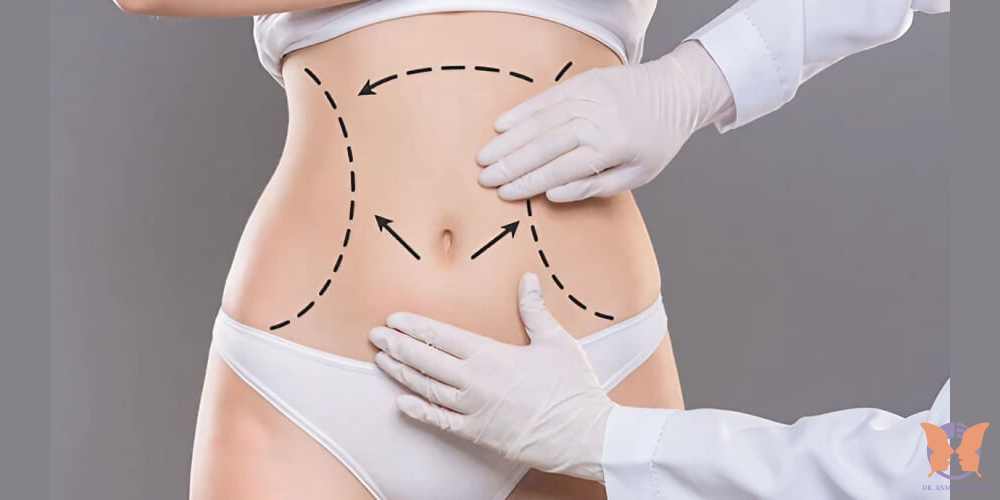
Liposuction treatment is a cosmetic surgical procedure that removes fat from specific areas of the body using a thin tube called a cannula. It is designed for contouring rather than weight reduction and is ideal for patients with localized fat deposits. Key aspects include:
- Targeted removal of fat cells from areas like the abdomen, thighs, hips, arms, and chin
- Ability to sculpt and refine body contours
- Immediate results in the treated areas
- Long-lasting outcomes when paired with a stable weight
- Performed by certified surgeons in a controlled medical environment
It is important to note that liposuction is not a solution for general obesity or overall weight loss.
How Weight Loss Works:
Weight loss involves reducing total body fat through a combination of dietary changes, physical activity, and lifestyle adjustments. Unlike liposuction, weight loss affects the entire body and may take weeks or months to achieve visible results. Important points include:
- Creating a calorie deficit to burn stored fat
- Engaging in regular exercise for muscle tone and cardiovascular health
- Maintaining consistency and long-term commitment
- Supporting overall health, metabolism, and energy levels
- Gradual, sustainable results rather than immediate transformation
Weight loss improves overall health and can reduce the risk of chronic conditions, but may not eliminate stubborn fat in targeted areas.
Key Differences Between Liposuction and Weight Loss:
While both methods aim to reduce fat, there are fundamental differences that impact expectations and outcomes. These include:
- Liposuction targets specific problem areas, whereas weight loss affects the whole body
- Liposuction provides immediate contouring, while weight loss is gradual
- Surgical intervention is required for liposuction, unlike lifestyle-based weight loss
- Liposuction does not address overall health or metabolism, while weight loss improves wellness
- Results of liposuction depend on skin elasticity and fat distribution, unlike natural weight reduction
Understanding these differences helps patients choose the method that aligns with their goals.
Ideal Candidates for Liposuction:
Liposuction treatment is best suited for individuals who are near their ideal body weight but have localized fat pockets that are resistant to diet and exercise. Characteristics of ideal candidates include:
- Stable weight for several months prior to surgery
- Good skin elasticity to ensure smooth results
- No serious medical conditions that could complicate surgery
- Realistic expectations about contouring rather than overall weight loss
- Commitment to maintaining results with a healthy lifestyle
Proper candidate selection ensures safety and satisfaction with the procedure.
Benefits of Liposuction Treatment:
Although liposuction is not a weight-loss method, it offers several aesthetic and psychological benefits for suitable patients. These benefits include:
- Immediate improvement in body shape and proportion
- Targeted fat removal from hard-to-reach areas
- Long-lasting results when paired with lifestyle maintenance
- Boosted self-confidence and improved body image
- Enhanced motivation to maintain a healthy lifestyle
These benefits make liposuction a popular choice for patients seeking refined body contours rather than large-scale weight loss.
Limitations of Liposuction:
While effective for targeted fat removal, liposuction has limitations and is not a replacement for weight management. Important limitations include:
- Not suitable for significant weight reduction or obesity treatment
- Cannot prevent future weight gain if lifestyle habits are poor
- May not fully address loose skin after fat removal
- Recovery period and surgical risks must be considered
- Results depend on individual anatomy and fat distribution
Understanding these limitations is essential for realistic expectations and long-term satisfaction.
Combining Liposuction with Weight Management:
Many patients achieve optimal results by combining liposuction treatment with proper diet and exercise. This combination ensures long-lasting outcomes and overall wellness. Benefits of this approach include:
- Maintaining a stable weight to preserve liposuction results
- Enhancing muscle tone for a more sculpted appearance
- Improving metabolic health and cardiovascular fitness
- Supporting overall wellness alongside cosmetic improvements
- Encouraging healthy lifestyle habits post-procedure
A combined approach provides both aesthetic and health-related benefits, making it ideal for many patients.
Recovery and Aftercare:
Recovery after liposuction varies depending on the extent of the procedure and individual healing ability. Typical post-operative care includes:
- Wearing compression garments to support healing and reduce swelling
- Managing mild discomfort with prescribed medications
- Avoiding strenuous activities for a few weeks
- Following dietary and hydration recommendations
- Attending follow-up appointments to monitor progress
Proper aftercare ensures safe recovery and optimal contouring results.
Risks and Safety Considerations:
Liposuction treatment is generally safe when performed by experienced surgeons, but like all surgeries, it carries potential risks. Common considerations include:
- Temporary bruising, swelling, or numbness in treated areas
- Minor risk of infection or irregular contouring
- Complications related to anesthesia
- Rare instances of blood clots or fluid imbalance
- Need for revision in cases of uneven results
Choosing a qualified surgeon and adhering to pre- and post-operative instructions minimizes risks.
Final Thoughts:
Liposuction treatment and weight loss serve different purposes: liposuction is designed for targeted fat removal and body contouring, while weight loss reduces overall body fat and improves health. Understanding these differences helps individuals set realistic expectations and choose the best approach for their goals. Combining liposuction with a healthy lifestyle enhances results, ensuring long-term satisfaction, improved confidence, and a sculpted, well-proportioned body.


 English
 French
 Spanish
 Portuguese
 Deutsch
 Turkish
 Dutch
Dutch
 Italiano
 Russian
 Romaian
 Portuguese (Brazil)
 Greek
Greek