
Aluminium Boats Manufacturers: Enhancing Durability with Advanced Materials
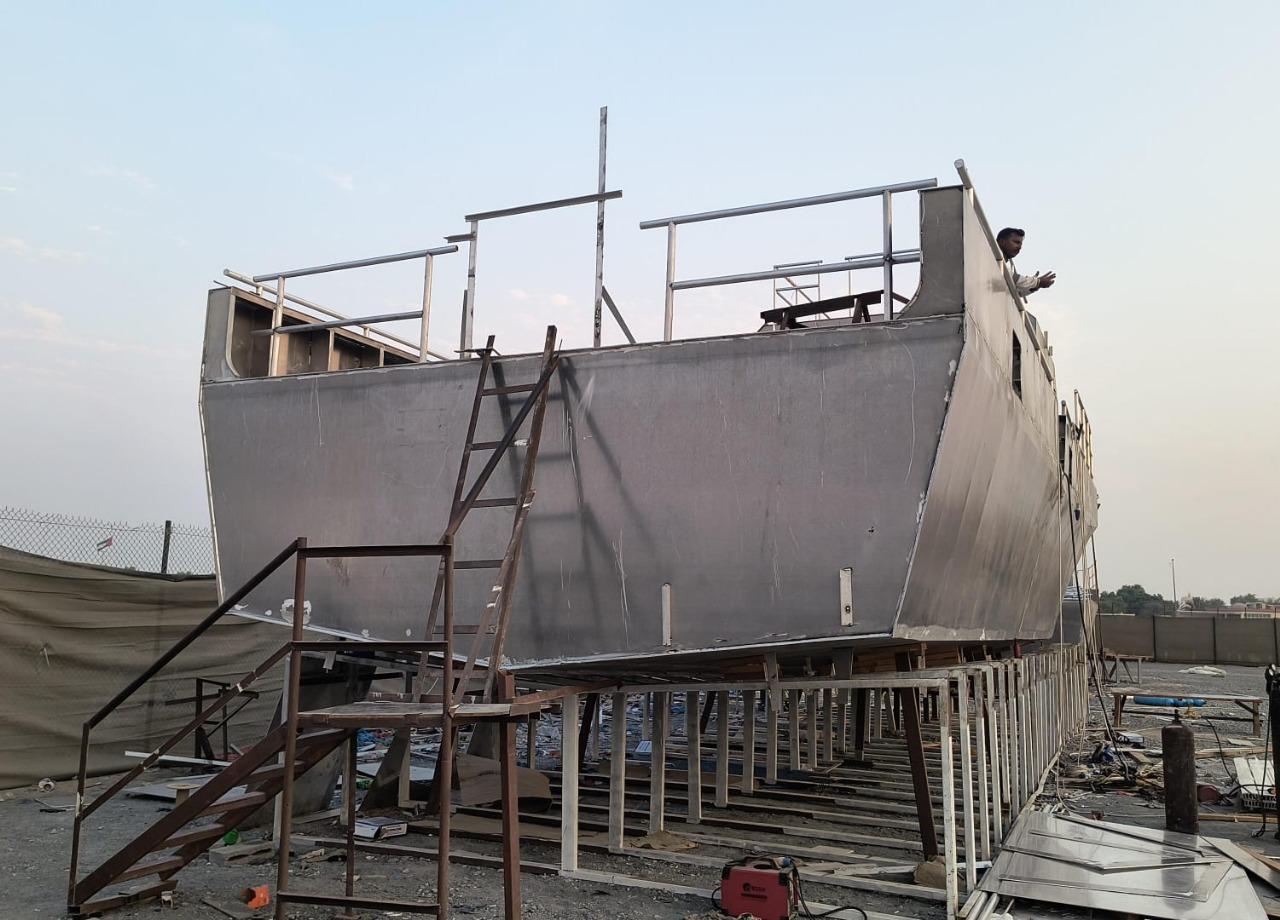
The marine industry is continuously developing as the demand for stronger, lighter, and more durable vessels increases. Modern boat construction requires materials that can withstand harsh marine conditions, resist corrosion, and deliver reliable performance over long periods. Aluminium boats manufacturers are increasingly focusing on advanced materials and innovative engineering techniques to improve vessel durability, operational efficiency, and overall safety.
Aluminium has become an important material in modern boat construction because of its lightweight structure, strength, and natural resistance to corrosion. With improvements in marine-grade alloys, welding technology, and protective treatments, aluminium boats can provide excellent performance in commercial, industrial, and recreational applications. VU Marine focuses on delivering quality marine solutions through modern engineering practices and reliable vessel construction.
1. Importance of Advanced Materials in Aluminium Boat Construction
Material selection plays an important role in determining the strength, safety, and lifespan of a boat. Marine vessels regularly face seawater exposure, changing temperatures, waves, vibration, and heavy operational loads. Traditional construction materials may require considerable maintenance to remain in good condition under these conditions.
Advanced aluminium alloys provide a practical solution because they combine structural strength with relatively low weight. Marine-grade aluminium alloys such as 5083 and 5086 are commonly used in boat construction because of their mechanical properties and corrosion resistance.
For example, marine-grade aluminium alloy 5083 has a typical density of approximately 2.66 g/cm³. Its tensile strength can vary depending on the temper and thickness, with typical values reaching approximately 275–350 MPa for certain H111 plate thicknesses.
These properties make advanced aluminium materials suitable for vessels operating in demanding marine environments.
2. Improved Corrosion Resistance for Longer Vessel Life
Corrosion is one of the biggest challenges in marine environments. Continuous contact with seawater, humidity, and salt deposits can gradually damage vessel structures if appropriate materials and protection methods are not used. Modern aluminium boat building techniques focus on selecting marine-grade alloys that offer better resistance to corrosion while maintaining structural strength and durability.
Modern aluminium alloys develop a thin natural oxide layer when exposed to oxygen. This layer helps protect the underlying metal from further corrosion. Marine-grade alloys containing magnesium and manganese offer additional benefits for applications involving seawater exposure.
The 5000-series aluminium alloys, particularly 5083 and 5086, are widely selected for marine structures because of their corrosion resistance and suitability for welding.
However, proper material selection alone is not enough. Manufacturers must also consider surface preparation, drainage arrangements, protective coatings where required, and the prevention of direct contact between incompatible metals.
These practices help reduce corrosion risks and support long-term vessel performance.
3. Advanced Welding Techniques for Stronger Boat Structures
Welding quality is another important factor in aluminium boat durability. A vessel may experience continuous vibration, wave impacts, and changing structural loads during operation. Weak or improperly prepared joints can create potential points of failure.
Modern boat construction uses advanced welding techniques such as Metal Inert Gas (MIG) and Tungsten Inert Gas (TIG) welding. These processes allow manufacturers to create strong joints while maintaining the required structural properties of aluminium.
MIG welding is commonly used for larger structural sections because it supports efficient fabrication. TIG welding provides greater control and is useful for detailed joints and thinner materials.
Proper welding procedures, suitable filler materials, trained operators, and inspection processes are essential for achieving reliable results. Non-destructive testing methods, including visual inspection, ultrasonic testing, and dye penetrant testing, can help identify defects that may not be visible during routine checks.
High-quality welding improves structural integrity and helps aluminium boats withstand demanding operating conditions.
4. Lightweight Materials Improve Fuel Efficiency
One of the major advantages of aluminium boat construction is weight reduction. Aluminium has a density of approximately 2.66 g/cm³, whereas ordinary structural steel has a density of approximately 7.85 g/cm³. This means aluminium is roughly one-third as dense as steel.
A lighter vessel can offer several operational advantages. Depending on hull design, engine selection, loading conditions, and operating speed, reducing structural weight can help improve fuel efficiency and overall performance.
For commercial operators, fuel consumption is an important part of operating costs. Lightweight construction can also provide additional flexibility for carrying equipment, cargo, or passengers within the vessel's approved design limits.
Modern engineering methods help manufacturers balance weight reduction with structural strength, stability, and safety requirements.
5. Modern Surface Treatments and Protective Coatings
Although aluminium naturally develops an oxide layer, additional surface protection may be necessary depending on vessel design and operating conditions.
Modern surface treatment methods can improve resistance to environmental exposure and help maintain the appearance of aluminium structures. Anodising is one method used to create a thicker protective oxide layer on suitable aluminium components.
Protective marine coatings may also be applied to selected areas of a vessel. Before coating, proper cleaning and surface preparation are essential to achieve effective adhesion.
Another important consideration is galvanic corrosion. When aluminium comes into direct electrical contact with certain dissimilar metals in the presence of seawater, corrosion can occur more rapidly. Suitable insulation materials, compatible fittings, and appropriate protective arrangements help reduce this risk.
Regular inspection of coated surfaces, joints, and underwater structures is also important for maintaining vessel durability.
6. Advanced Hull Design for Better Structural Performance
Material quality and hull design work together to determine the overall durability of a boat. Modern engineering software allows designers to analyse structural loads, water resistance, stability, and vessel behaviour before construction begins.
Computer-Aided Design (CAD) and structural analysis tools help engineers develop accurate hull shapes and optimise material distribution. These technologies can identify areas that may experience higher stress during operation.
A properly designed hull helps distribute loads more evenly and reduces unnecessary structural weight. It can also improve stability, handling, and performance in different sea conditions.
For commercial applications, hull design must consider the vessel's intended purpose, including passenger transportation, fishing, offshore support, cargo handling, or other specialised operations.
Experienced aluminium boat builders use material expertise, fabrication skills, and engineering knowledge to develop vessels that meet specific operational requirements. Combining advanced materials with accurate engineering helps create boats suitable for their intended working environments.
7. Quality Control and Regular Maintenance
Even advanced materials require proper inspection and maintenance. Quality control should begin with the selection of certified marine-grade aluminium and continue throughout the fabrication process.
Manufacturers need to inspect raw materials, welding joints, structural connections, and completed hull sections. Dimensional checks and appropriate testing procedures help ensure that the finished vessel meets its design requirements.
A professional boat building company should also consider long-term maintenance requirements during the design and construction stages. Easy inspection access, suitable drainage, and properly arranged equipment can make routine servicing more convenient.
Some important maintenance practices include:
-
Cleaning seawater deposits and accumulated dirt from exposed surfaces.
-
Inspecting welds and structural connections for cracks or damage.
-
Checking electrical connections and protective arrangements.
-
Monitoring areas where dissimilar metals come into contact.
-
Inspecting the hull for dents, deformation, and localised corrosion.
-
Maintaining engines, fuel systems, and other onboard equipment.
Following a planned maintenance schedule can help identify minor problems before they become expensive repairs.
8. Future Developments in Aluminium Boat Manufacturing
The future of aluminium boat construction will be influenced by material innovation, digital engineering, automation, and environmental considerations.
Advanced welding equipment and automated fabrication systems are helping improve manufacturing accuracy and consistency. Digital modelling is also making it easier to evaluate hull performance and optimise vessel structures before production begins.
Another important development is the growing interest in energy-efficient propulsion systems. Hybrid propulsion, electric power solutions, and improved engine technologies are creating new opportunities for reducing fuel consumption and emissions in suitable vessel applications.
Manufacturers are also exploring improved aluminium alloys and fabrication techniques that can provide better strength, durability, and production efficiency.
VU Marine recognises the importance of modern engineering, material quality, and dependable marine construction in meeting the changing requirements of the maritime industry.
Conclusion
Advanced materials have significantly improved the possibilities of modern aluminium boat construction. Marine-grade alloys, improved welding techniques, protective surface treatments, and modern hull designs contribute to stronger and more reliable vessels.
The lightweight nature of aluminium also offers opportunities to improve fuel efficiency, payload flexibility, and overall operational performance. However, long-term durability depends on more than material selection. Proper engineering, quality control, corrosion prevention, and regular maintenance are equally important.
As marine technology continues to advance, aluminium boat construction will remain an important solution for commercial and specialised marine applications. Through a focus on quality, engineering standards, and modern construction practices, VU Marine supports the development of reliable marine solutions designed to meet the demands of today's maritime industry.

 Arabic
 French
 Spanish
 Portuguese
 Deutsch
 Turkish
 Dutch
 Italiano
 Russian
 Romaian
 Portuguese (Brazil)
 Greek