
Maximising High Efficiency Solar Panels on Shaded Aussie Roofs
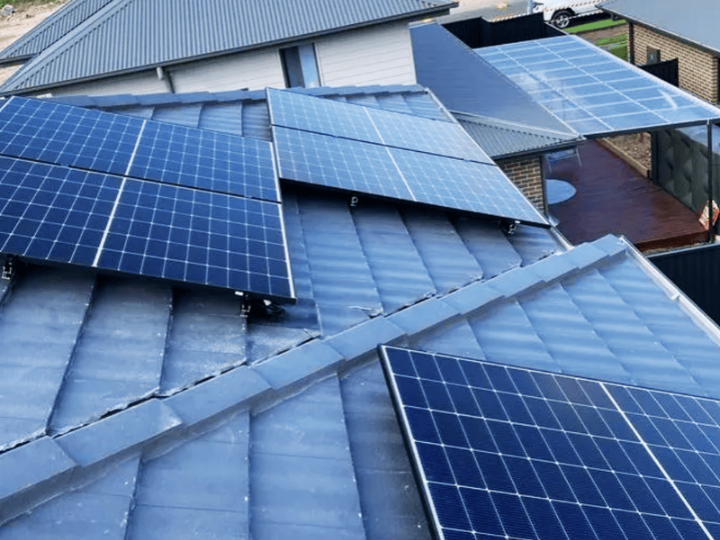
Tall eucalyptus trees, neighbouring two storey homes, chimney stacks, and roof vents cast shifting shadows across suburban Australian rooftops throughout the day. Homeowners considering jinko solar panels for partially shaded roofs often worry that a single shadow will cripple their entire electricity harvest. Understanding how half cut cell architecture, bypass diodes, smart inverter tracking, and strategic string layout work together allows Australian households to capture strong daily generation even on complex, tree lined properties.
How Half Cut Cells and Bypass Diodes Isolate Shadows
Older full cell solar panels wired every silicon cell into three continuous series strings, meaning a shadow across the lower edge could shut down the entire module. Modern N type monocrystalline panels solve this weakness by slicing solar cells in half and dividing the panel into six independent substrings wired in parallel pairs. Integrated bypass diodes automatically reroute electrical current around any shaded section while preventing damaging hot spots. When morning or afternoon shade covers the bottom half of a portrait mounted panel, the upper unshaded half continues generating up to fifty percent of its rated output rather than dropping to zero.
Pairing Shaded Arrays with Global Tracking Inverters
Module architecture achieves its highest yield when matched with intelligent power electronics. Standard string inverters equipped with global maximum power point tracking regularly sweep the voltage curve to locate the true peak output across partially shaded strings, preventing shaded modules from dragging down sunlit panels on the same circuit. For rooftops facing severe multi angle shading from dense street trees or dormers, adding direct current power optimisers or module level microinverters isolates each panel completely so every unshaded module operates at full capacity.
Strategic Panel Placement and Roof Layout Design
Careful solar design remains the most cost effective way to overcome rooftop shadows. Accredited designers use three dimensional shading simulations to map sun paths across winter solstice and summer afternoon angles before placing racking rails. Grouping unshaded north facing modules onto one independent inverter tracking channel while isolating panels near chimneys or western trees onto a separate channel preserves peak system efficiency.
Summary
Partial rooftop shading no longer prevents suburban Australian households from achieving rapid solar payback and lower power bills. Combining split cell N type module engineering, shade tolerant inverter tracking, and thoughtful string zoning ensures reliable electricity generation from sunrise to sunset.
Frequently Asked Questions
1. Do modern solar panels still generate power when partially shaded?
Yes, modern half cut solar panels divide cells into six independent substrings with bypass diodes, allowing the unshaded portion of the panel to keep producing electricity while the shaded section is bypassed.
2. Why is portrait orientation often better on shaded roofs?
When shadows move across the bottom edge of a roof, portrait mounted split cell panels keep their upper cell group active, preserving roughly half the panel output instead of shutting down completely.
3. Should I choose a string inverter or microinverters for a shaded roof?
A string inverter with shade management software handles light morning or evening shadows well, whereas microinverters or power optimisers deliver better yields when heavy tree shade moves across multiple panels all day.
4. Can shading damage solar panels over time?
Without proper bypass protection, heavy shade can cause reverse voltage heating known as hot spots, which is why quality N type panels include built in bypass diodes to divert current safely around shaded cells.
5. How can I check how much shade affects my roof before installing solar?
An accredited solar designer can run a seasonal sun path and shading simulation using aerial roof imagery to place panels in the sunniest zones and estimate accurate annual energy output.

 Arabic
 French
 Spanish
 Portuguese
 Deutsch
 Turkish
 Dutch
 Italiano
 Russian
 Romaian
 Portuguese (Brazil)
 Greek