
Is YTL-E the Right Choice for Reliable Energy Metering and Modern Electrical Monitoring?
Reliable electricity measurement is essential for residential, commercial, and industrial electrical systems. As businesses increasingly focus on energy efficiency and operational cost management, the demand for accurate electricity meters and advanced monitoring solutions continues to grow. YTL-E is associated with electrical energy metering solutions designed to support different measurement requirements and modern electrical installations.
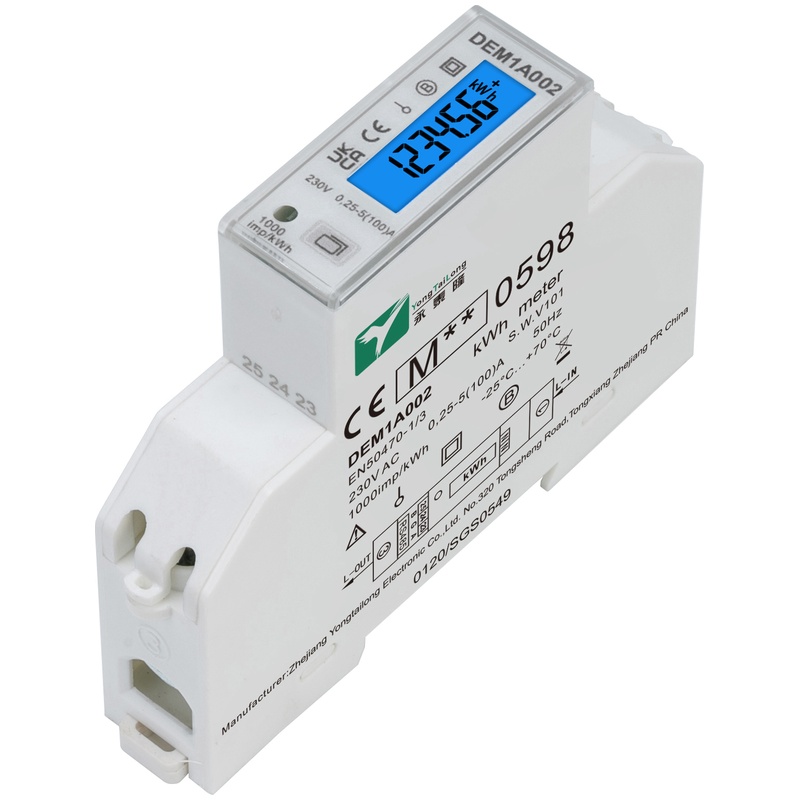
Energy meters play an important role in monitoring electricity consumption, evaluating electrical performance, and improving energy management. Whether installed in residential distribution boards, commercial buildings, or industrial control panels, reliable metering equipment provides valuable information about power usage. This information helps facility managers, engineers, and business owners understand their electricity requirements and make informed operational decisions.
YTL-E offers an approach to energy monitoring that focuses on practical metering applications and different electrical system requirements. Modern energy measurement products can include single-phase electricity meters, three-phase energy meters, DIN-rail meters, multifunction power meters, and communication-enabled metering devices. These solutions address different installation environments and provide flexibility for various energy monitoring projects.
The importance of accurate electricity measurement extends beyond simply recording consumption. Businesses can use energy monitoring information to identify unusual electricity usage, evaluate equipment performance, and improve the management of electrical distribution systems. Selecting suitable metering equipment is therefore an important consideration for organizations seeking reliable and efficient electrical operations.
Advanced Metering Features and Electrical Monitoring Capabilities
Modern energy meters incorporate different technologies to provide accurate measurements and convenient access to electrical information. YTL-E-related metering solutions can be explored according to their product specifications, measurement capabilities, and intended applications.
Single-phase energy meters are commonly used in residential properties, small offices, retail shops, and individual electrical circuits. They measure electricity consumption in single-phase installations and provide essential information about energy usage. Their compact construction makes them suitable for electrical distribution boards where available installation space is limited.
Three-phase energy meters are designed for electrical installations with higher power requirements. These meters are frequently used in factories, manufacturing facilities, commercial buildings, and industrial environments. Depending on the selected model, they can measure active energy consumption and additional electrical parameters such as voltage, current, frequency, and power factor.
DIN-rail energy meters are another important category of modern metering equipment. Their standardized mounting design allows them to fit into electrical distribution panels and control cabinets. This makes them particularly useful for installations requiring organized wiring and convenient access to electricity measurement information.
Communication functionality is becoming increasingly important in modern energy monitoring systems. Certain advanced energy meters support RS485 communication and Modbus RTU protocols, allowing measurement information to be transferred to compatible monitoring platforms and industrial controllers. M-Bus communication is another option used in applications requiring centralized meter data collection.
Additional metering functions may include bidirectional energy measurement, multi-tariff recording, pulse outputs, and reactive energy monitoring. These capabilities are useful for applications involving commercial sub-metering, renewable energy installations, and advanced electricity management systems.
Measurement accuracy is also an essential factor when evaluating energy meters. Different models may offer different accuracy classes and certifications depending on their intended applications. Buyers should always review the official product datasheets to understand the technical capabilities and measurement specifications of individual products.
YTL-E Applications Across Residential, Commercial, and Industrial Sectors
Energy monitoring solutions have applications across numerous industries because electricity consumption needs to be measured and managed in different environments. YTL-E metering solutions can be evaluated for projects involving residential electricity monitoring, commercial energy management, industrial power measurement, and renewable energy installations.
In residential buildings, electricity meters help property owners understand household energy consumption. Sub-metering solutions can also measure electricity usage across individual apartments, floors, or separate electrical circuits. This provides better visibility into energy consumption and supports more transparent electricity management.
Commercial buildings have more complex electrical requirements. Offices, shopping centers, hotels, hospitals, and educational institutions operate multiple electrical systems simultaneously. Installing suitable energy meters allows facility managers to monitor electricity consumption across lighting, air conditioning, ventilation, and other equipment. The collected information can help identify inefficient electrical systems and support energy-saving initiatives.
Industrial facilities depend on reliable energy measurement to manage electricity consumption across production equipment and machinery. Motors, compressors, manufacturing lines, and automated systems can contribute significantly to operating costs. Three-phase energy meters and multifunction power meters provide useful information about electrical loads and energy usage. When connected to compatible monitoring systems, these devices can also support centralized energy management.
Solar photovoltaic systems represent another important application. Renewable energy installations require accurate monitoring of electricity generation, consumption, and grid exchange. Compatible bidirectional energy meters can record imported and exported electricity, helping users understand the performance of their solar energy systems.
Electric vehicle charging infrastructure also requires accurate electricity measurement. Charging station operators need reliable metering equipment to monitor energy consumption and manage charging operations. Communication-enabled meters can support integration with compatible monitoring platforms, depending on their specifications.
These applications demonstrate the importance of choosing metering equipment according to the electrical installation. A meter designed for a residential circuit may not provide the measurement capabilities required for a large industrial facility. Comparing individual product specifications helps ensure that the selected equipment meets the project's requirements.
Selecting Suitable YTL-E Energy Metering Solutions
Choosing the right energy meter involves evaluating several technical factors. The first consideration is the electrical supply configuration. Buyers should determine whether their installation requires a single-phase or three-phase meter. Selecting a compatible configuration is essential for accurate measurement and proper operation.
Current rating is another important specification. The selected meter must be suitable for the expected electrical load. Some meters support direct electrical connections, while higher-current applications may require current transformer-operated measurement. Reviewing current ratings and wiring requirements helps prevent installation compatibility problems.
Communication capabilities should also be considered. Basic electricity monitoring may only require a digital display, whereas larger facilities may need remote data collection and centralized monitoring. RS485, Modbus RTU, and M-Bus interfaces can provide connectivity with compatible building management systems and industrial automation equipment.
Installation requirements are equally important. DIN-rail meters are designed for standardized mounting, but buyers should still check product dimensions, terminal arrangements, and wiring diagrams before purchasing. Proper installation planning helps ensure compatibility with electrical distribution panels and control cabinets.
Certification and accuracy requirements should also influence purchasing decisions. Applications involving commercial electricity sub-metering or regulated energy measurement may require specific accuracy classes or MID certification, depending on local regulations. Reviewing the manufacturer's official technical documentation is the best way to verify these requirements.
Long-term monitoring requirements should not be ignored. Businesses planning to expand their electrical installations may benefit from meters offering communication functionality and additional measurement parameters. Choosing suitable equipment can make future energy management upgrades easier and provide greater flexibility as operational requirements change.
Conclusion
YTL-E represents an area of interest for businesses, electrical professionals, and organizations exploring modern energy metering and electricity monitoring solutions. Reliable energy measurement is essential for understanding electricity consumption, managing operating costs, and maintaining efficient electrical installations.
From single-phase electricity meters and three-phase energy meters to DIN-rail models and advanced multifunction power meters, different metering technologies support a wide range of applications. Features such as RS485 communication, Modbus connectivity, bidirectional measurement, and multi-tariff recording provide additional flexibility for modern energy management systems.
Before selecting a product, buyers should compare electrical specifications, current ratings, measurement accuracy, communication interfaces, and installation requirements. Reviewing official YTL-E product information and technical datasheets can help identify suitable equipment for individual projects.
Click Here: https://ytl-e.com/product-category/ac-energy-meters/din-rail-energy-meters/

 Arabic
 French
 Spanish
 Portuguese
 Deutsch
 Turkish
 Dutch
 Italiano
 Russian
 Romaian
 Portuguese (Brazil)
 Greek