
What Is the Process of Installing a New Residential Fence?
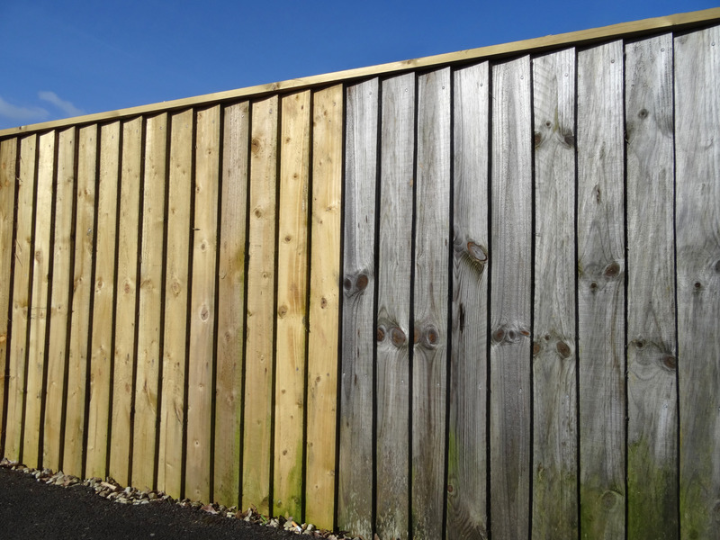
Understanding the Residential Fence Installation Process
Installing a new residential fence involves several stages, from planning the boundary layout to securing the final panels and completing finishing touches. A properly installed fence can improve privacy, establish property boundaries, enhance outdoor appearance and provide additional security for a home.
When researching fence installation near me, homeowners should understand the steps involved before starting a project. Knowing what to expect can make it easier to select suitable materials, prepare the property and coordinate with professional installers.
Step-by-Step Process of Installing a Residential Fence
1. Assessing Property Requirements
The first step involves identifying the main purpose of the new fence. Some homeowners prioritise privacy, while others need a secure enclosure for children and pets or an attractive boundary around their garden.
Consider the following factors:
-
Required fence height and overall length.
-
Preferred material and design.
-
Privacy and security expectations.
-
Garden layout and driveway access.
-
Existing landscaping and ground conditions.
These considerations help determine the most appropriate fencing arrangement for the property.
2. Confirming Property Boundaries
Before any excavation or construction begins, establish the correct boundary position. Installing a fence in the wrong location can create disagreements with neighbouring property owners.
Review available property documents and arrange a professional boundary survey if the position is uncertain.
For shared boundaries, communicate with neighbouring owners about the proposed work and follow applicable fencing requirements. In NSW, the Dividing Fences Act 1991 outlines the responsibilities of adjoining property owners.
3. Selecting Suitable Fencing Materials
Material selection influences the fence's appearance, maintenance requirements and overall functionality. Common residential fencing options include:
Timber fencing: Provides a traditional appearance and can create private backyard spaces.
Colorbond fencing: Offers solid screening and a consistent finish in different colour options.
Aluminium fencing: Provides a lightweight solution for front gardens, pool areas and decorative boundaries.
Steel fencing: Offers structural strength and can suit properties requiring a durable boundary.
Compare the available options based on the property's design, environmental exposure and maintenance expectations.
4. Preparing the Installation Site
Once the design and materials are confirmed, the installation area needs to be prepared. This generally involves removing old fencing, clearing vegetation, shifting loose debris and identifying obstacles along the proposed boundary.
Installers should also assess soil conditions, slopes and drainage. Underground utilities must be located before digging post holes to avoid damaging essential infrastructure.
Proper preparation creates a suitable working area and helps prevent installation complications.
5. Measuring and Installing Fence Posts
Accurate measurements are essential for maintaining consistent panel spacing and alignment. Installers mark the fence line and determine the appropriate post positions according to the selected fencing system.
Post holes are then excavated to the required specifications. Posts are positioned, aligned and secured using suitable footings, commonly involving concrete.
Allowing the footings to set appropriately helps establish a stable supporting structure.
6. Attaching Fence Panels and Gates
After the supporting posts are ready, the fence panels, rails or individual boards can be installed.
Each section is positioned and secured using compatible brackets and fasteners. Installers check alignment and spacing throughout the process to achieve a consistent finish.
Where gates are included, hinges, latches and locking mechanisms are fitted and adjusted to support smooth operation.
7. Completing Final Inspections
The final stage involves checking the entire fence for installation issues. Posts, panels, connecting hardware and gates should be inspected to ensure everything is secure and properly aligned.
Any construction debris should be removed, and the surrounding area should be left tidy. Property owners should also receive relevant product information and maintenance recommendations.
Frequently Asked Questions
1. How long does residential fence installation take?
The timeframe depends on the fence length, material, ground conditions and complexity of the project. Smaller installations may take a day or two, while larger or more complicated projects can take longer.
2. Do property owners need approval before installing a new fence?
Requirements depend on the fence design, location and applicable council regulations. Check relevant local requirements before starting construction, particularly for taller fences, pool barriers and retaining structures.
3. Which fencing material is suitable for residential properties?
Timber, Colorbond, aluminium and steel are common options. The right choice depends on privacy expectations, appearance, durability and maintenance preferences.
4. Does the ground need to be level before installing a fence?
Not necessarily. Fences can be installed on sloping properties using suitable stepped or sloped arrangements. The installation method depends on the terrain and fencing system.
5. Should a professional install a residential fence?
Professional installation can help ensure accurate measurements, appropriate post positioning, secure connections and compliance with relevant requirements.
Final Thoughts
Installing a new residential fence requires careful planning, suitable material selection and attention to construction details. From confirming property boundaries and preparing the ground to securing panels and completing final inspections, every stage contributes to the finished structure. Understanding the installation process helps homeowners prepare for their project and make informed decisions about creating a functional, attractive and reliable property boundary.
Bill Gibson Fencing PTY Ltd.
57 Holbeche Rd
Arndell Park NSW 2148, Australia
+61 2 9672 1465

 Arabic
 French
 Spanish
 Portuguese
 Deutsch
 Turkish
 Dutch
 Italiano
 Russian
 Romaian
 Portuguese (Brazil)
 Greek