
Air Quality Monitoring Software Market Analysis Explores Cleaner Decisions For Modern Buildings
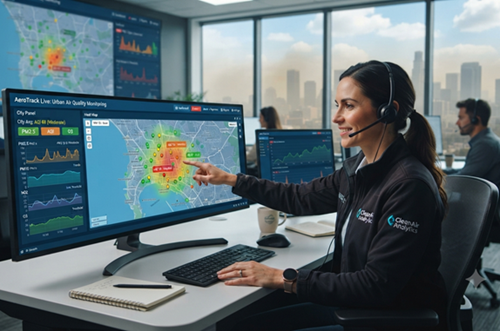
Air Quality Monitoring Software Market Analysis examines how environmental intelligence helps organizations make cleaner, more confident decisions indoors. The software brings together sensor readings, building context, and user-friendly views so teams can understand conditions and respond with purpose. It supports healthier spaces by helping users identify changes, coordinate maintenance, and communicate priorities. It also connects environmental awareness with broader building operations, including ventilation, occupancy, and service workflows. This assessment considers value drivers, adoption pressures, design choices, integration needs, and risk factors. It avoids narrow conclusions and focuses on practical foundations. Readers gain a balanced view of how monitoring platforms support daily operations and long-term strategy. The discussion emphasizes trust, usability, and responsible governance rather than feature overload. The goal is to show how organizations can turn environmental information into coordinated action.
Value Drivers Across Health And Operations
Value emerges when environmental monitoring supports both health and operations. Health-focused teams want confidence that indoor conditions are managed thoughtfully. Operations teams want clear signals that help them prioritize ventilation, filtration, and maintenance. Sustainability leaders want practical ways to connect indoor environmental awareness with broader goals. Workplace teams want information that supports room use and occupant communication. These priorities can reinforce one another when the software presents a shared view. Instead of isolated readings, users can review trends, compare zones, and understand context. They can act before small issues become larger problems. They can also explain decisions with greater clarity. The strongest value comes when monitoring is integrated into daily workflows rather than treated as a separate screen. Organizations should define which outcomes matter most and how success will be judged. A clear value framework helps guide design, procurement, and adoption.
Competitive Pressure And Occupant Expectations
Competitive pressure and occupant expectations shape adoption. People compare indoor experiences with the convenience and transparency they encounter elsewhere. Poor communication about environmental conditions can reduce trust, while clear updates can strengthen confidence. Organizations also face pressure to use space efficiently and manage maintenance proactively. Monitoring software can help by highlighting changing conditions and supporting timely action. It can also provide a shared reference for conversations among facility teams, workplace leaders, and occupants. At the same time, expectations demand discipline. Software must be reliable, understandable, and respectful of privacy. It should not create alarm without cause or hide important context. Organizations should prepare communication plans and define escalation paths. They should also review feedback to understand how information is being received. When environmental awareness is handled with care, it supports both operational confidence and occupant trust.
Risk Factors And Design Safeguards
Risk factors deserve attention before adoption expands. Inaccurate readings can lead to poor decisions and erode trust. Poorly designed alerts can overwhelm teams or cause people to ignore important signals. Weak privacy safeguards can create concern when occupancy patterns or building details are visible. Integration complexity can delay value and strain internal resources. Design safeguards begin with clear requirements and realistic scope. Organizations should validate sensor placement, review alert logic, and test dashboards with representative users. Privacy and security reviews should happen early. Roles and permissions should be defined clearly. Training should help users interpret information and respond appropriately. Vendors should provide documentation and support that match the organization’s capacity. Risk management is not a barrier to innovation; it is a foundation for credible environmental intelligence. Thoughtful safeguards protect users and help teams act with confidence.
Turning Analysis Into Coordinated Action
Analysis becomes useful when it leads to coordinated action. Organizations should begin with a clear problem and a realistic plan. They should involve facility teams, health and safety leaders, workplace teams, sustainability leaders, and technology partners. A phased rollout can test workflows and build confidence. Communication should explain what the software does, how information is used, and where users can raise concerns. Maintenance should be planned so that sensors and dashboards remain reliable. Success should be judged by whether teams respond faster, occupants feel more confident, and operations become more coordinated. Leaders should review feedback and adjust views, alerts, and workflows as understanding grows. The path forward is not about adding every possible feature. It is about creating a dependable system that helps people understand indoor conditions and act with purpose. That focus supports healthier spaces and more accountable building management.
➤ Latest Market Intelligence from Market Research Future:

 Arabic
 French
 Spanish
 Portuguese
 Deutsch
 Turkish
 Dutch
 Italiano
 Russian
 Romaian
 Portuguese (Brazil)
 Greek