
Multimodal Ui Market Overview: Navigating the Convergence of Input Modalities
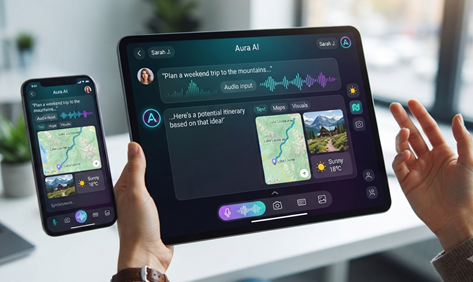
The Multimodal Ui Market Overview reveals a landscape in transition from single-modality interfaces toward integrated systems that combine voice, touch, gesture, and visual inputs into cohesive user experiences. This market encompasses a diverse array of solutions—hardware sensors, software platforms, and integration services—that collectively enable users to interact with technology in ways that feel natural and efficient. The convergence of these modalities with artificial intelligence and context-aware computing is accelerating innovation, enabling interfaces that adapt to individual preferences and situational contexts. As smart devices proliferate and user expectations for seamless interaction intensify, multimodal UI emerges as foundational infrastructure for competitive digital engagement.
Defining the Modern Multimodal Ecosystem
Contemporary multimodal UI differs substantially from earlier generations of interface design. Today's ecosystem emphasizes integration, personalization, and accessibility, with solutions designed to work seamlessly across diverse devices, contexts, and user needs. The modern multimodal platform serves as a bridge between human intent and digital execution, interpreting inputs through multiple channels—voice, touch, gesture, gaze—and delivering responses that feel natural and intuitive. Key capabilities include voice recognition, gesture interpretation, context awareness, and adaptive personalization. Together, these components form an integrated ecosystem that supports the complete user journey, enabling organizations to deliver experiences that delight rather than frustrate.
Component Analysis: Software Leads While Hardware Accelerates
The component landscape reveals distinct dynamics across software, hardware, and services. Software holds the largest market share, reflecting its essential role in enabling seamless interactions across modalities. Organizations invest in software platforms that integrate voice recognition, gesture processing, and context awareness into unified experiences. Hardware represents the fastest-growing segment, driven by the proliferation of IoT devices and smart technologies that require robust sensing capabilities. Services for integration and customization constitute a growing component as organizations seek expertise to navigate deployment complexity. This component diversity ensures that market growth reflects broad-based demand across complementary capabilities.
Technology Segments: Voice Leads While Gesture Accelerates
Within technology segments, voice recognition holds the largest market share, driven by its versatility and adoption across smart speakers, smartphones, and customer service applications. Gesture recognition represents the fastest-growing segment, fueled by virtual reality, gaming, and automotive applications that demand immersive, hands-free interaction. Text input remains essential for productivity and precision tasks. Visual and other modalities address specialized use cases. The technology diversity underscores the importance of supporting multiple modalities to address diverse user needs and contexts.
Competitive Dynamics and Market Evolution
The competitive landscape features a mix of technology giants, specialized vendors, and emerging startups. Collaboration between device manufacturers, software developers, and content creators is accelerating innovation and expanding application possibilities. The market's evolution suggests that multimodal UI will increasingly be evaluated as an integrated capability rather than a collection of standalone technologies, with user experience and ecosystem integration becoming as important as individual feature depth.
➤ Featured Insights from Market Research Future:

 Arabic
 French
 Spanish
 Portuguese
 Deutsch
 Turkish
 Dutch
 Italiano
 Russian
 Romaian
 Portuguese (Brazil)
 Greek