
KP Gear Pump Selection for Machinery
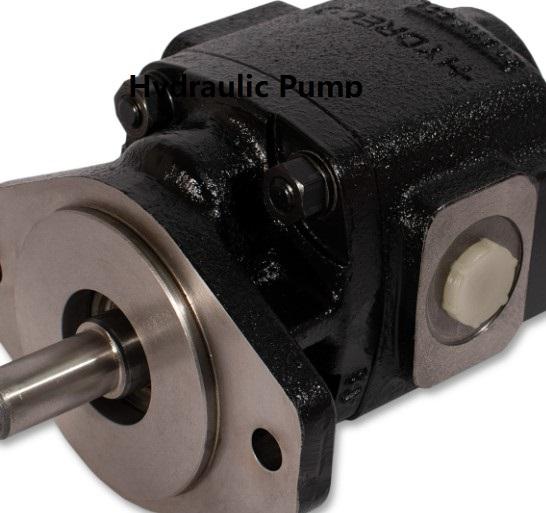
Hydraulic equipment depends on a stable power supply to operate lifting, steering, and fluid transmission systems. When manufacturers evaluate pump options for different machines, the KP Gear Pump is a practical choice worth considering because of its external gear structure and straightforward operating principle. Understanding how a KP Gear Pump works can help equipment designers assess its compatibility with system requirements, fluid characteristics, installation conditions, and daily operating demands.
Understanding the Working Structure
External gear pumps generally use two meshing gears installed inside a closely fitted housing. One gear receives driving force from the motor or mechanical transmission, while the other rotates through the engagement between the gear teeth. As the gears turn, fluid enters through the inlet, travels around the outer areas of the gears, and moves toward the outlet.
This structure provides a relatively direct method of transferring hydraulic fluid. The housing, gear surfaces, bearings, and sealing components all contribute to the pump's operating condition. Manufacturing accuracy is important because the clearances between internal components influence leakage, efficiency, and the consistency of fluid delivery.
Matching Pump Performance with Equipment Needs
Selecting a hydraulic pump requires more than checking its general model category. Equipment manufacturers should first identify the flow rate and working pressure required by the hydraulic circuit. These operating conditions help determine whether a particular pump configuration is suitable for the intended machine.
Rotational speed is another important factor. Since many external gear pumps use fixed displacement, the delivered flow is closely related to operating speed. System designers should therefore consider the relationship between motor speed, required flow, and pressure conditions before confirming a model.
Fluid properties also matter. Viscosity, operating temperature, and fluid cleanliness can influence internal lubrication and component wear. Checking compatibility between the hydraulic fluid and the pump's materials or seals can help support stable operation over time.
Applications Across Industrial and Mobile Machinery
Hydraulic systems are used in a wide range of equipment where mechanical movement requires controlled force. Gear pumps can be incorporated into industrial machinery such as machine tools, hydraulic presses, and production equipment. Their relatively compact structure can also be useful in mobile applications where installation space is limited.
Construction and agricultural machinery may use hydraulic power to operate lifting mechanisms, steering functions, and other actuators. In these applications, pump selection should take account of operating cycles, environmental conditions, and the expected workload. Marine and specialized engineering equipment may have additional requirements relating to exposure, mounting arrangements, and maintenance access.
Liming-Machine Manufacturing and Product Considerations
For equipment builders, working with an experienced pump supplier can make the selection process more efficient. Buyers should review product specifications, connection dimensions, mounting arrangements, and available configuration details before placing an order. Technical drawings and application information can help both sides confirm whether a pump is appropriate for a particular hydraulic circuit.
Liming-Machine provides gear pump products for different equipment and industrial applications. When discussing a project, customers can share their required flow, pressure range, drive conditions, and installation dimensions. Providing these details helps the supplier understand the application and recommend a suitable product configuration.
Installation and Maintenance for Consistent Operation
Correct installation helps protect pump components and supports reliable hydraulic performance. Before assembly, technicians should check the mounting surface, shaft alignment, connection fittings, and cleanliness of the hydraulic lines. The inlet and outlet ports must also be connected according to the product documentation.
Regular maintenance should include checking fluid condition, inspecting connections for leakage, and monitoring unusual noise or vibration. Contaminated fluid can accelerate wear on internal surfaces, while incorrect operating conditions may affect pump performance. Following the manufacturer's maintenance recommendations and replacing worn components when necessary can help reduce unexpected equipment interruptions.
A suitable hydraulic pump is selected by considering the complete system rather than one specification alone. Flow demand, pressure, fluid compatibility, operating speed, and installation conditions all contribute to the decision. For gear pump options and further product information, visit https://www.liming-machine.com and discuss your equipment requirements with the supplier

 Arabic
 French
 Spanish
 Portuguese
 Deutsch
 Turkish
 Dutch
 Italiano
 Russian
 Romaian
 Portuguese (Brazil)
 Greek