
How to Identify Authentic Mid-Century Modern Furniture: Materials, Makers, and Telltale Signs
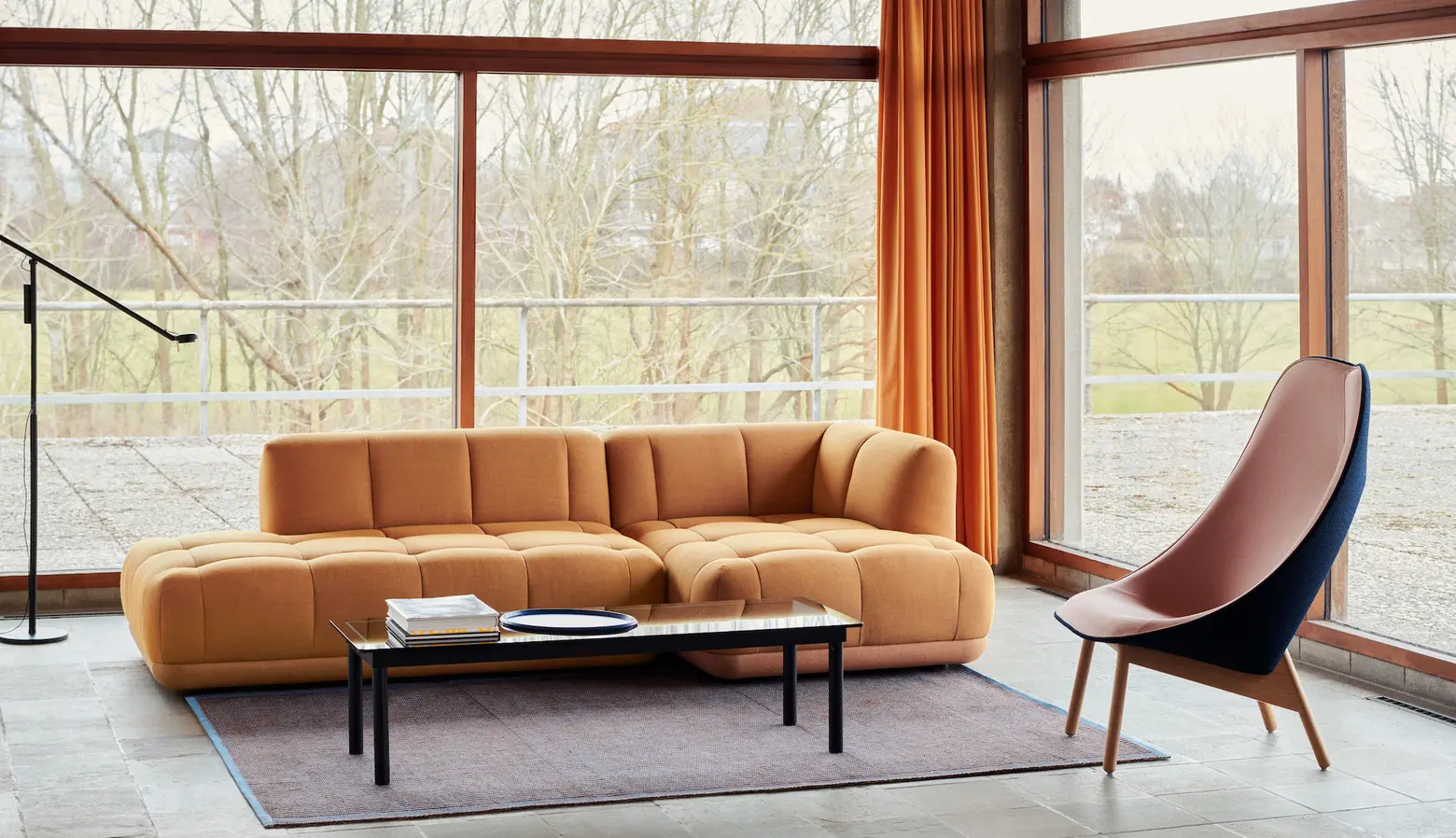
Mid-century modern furniture remains highly desirable among homeowners, interior designers, vintage collectors, and furniture enthusiasts. Recognized for its clean lines, functional construction, organic shapes, and timeless appeal, this design style continues to influence contemporary interiors. However, as its popularity has grown, the market has become filled with reproductions, inspired designs, and pieces marketed as vintage without clear evidence of their origins. Knowing how to distinguish authentic furniture from modern imitations can help buyers make informed purchasing decisions and avoid paying premium prices for ordinary reproductions.
Identifying genuine mid-century modern furniture requires more than recognizing a familiar shape or attractive wooden finish. Buyers should examine materials, construction techniques, manufacturer labels, designer details, and signs of age. Understanding these characteristics provides a stronger foundation for evaluating vintage pieces and determining their potential value. Whether you are building a collection, furnishing your home, or exploring mid-century modern decor, learning these identification techniques can make the buying process more rewarding and confident.
Understanding What Makes Mid-Century Modern Furniture Authentic
Mid-century modern design generally refers to furniture produced during the middle decades of the twentieth century, particularly from the 1940s through the 1960s. This period introduced a distinctive approach to interior design that prioritized functionality, simplicity, and innovative manufacturing. Designers experimented with new materials, improved production methods, and unconventional shapes to create furniture suited to changing lifestyles. These developments helped establish a design movement that remains influential today.
Authenticity primarily relates to a piece's actual production history rather than simply its appearance. A genuine vintage chair manufactured during the 1950s is different from a contemporary chair designed to resemble the same period. Both may share similar characteristics, but their manufacturing dates, materials, craftsmanship, and historical backgrounds are not identical. Buyers should therefore distinguish between original vintage furniture, authorized reproductions, and newly manufactured furniture inspired by mid-century aesthetics.
It is also important to understand that not every authentic piece carries a famous designer's name. Many furniture manufacturers produced high-quality designs during this period, including lesser-known companies and regional workshops. Their products may demonstrate excellent craftsmanship and authentic period characteristics without having significant designer attribution. Evaluating the complete construction and available documentation is more reliable than judging authenticity through brand recognition alone.
Examine the Materials and Construction Techniques
Materials provide some of the most useful clues when identifying authentic mid-century modern furniture. Walnut, teak, oak, rosewood, and other hardwoods were commonly used in tables, cabinets, chairs, and storage furniture. These materials were valued for their durability, attractive grain patterns, and ability to support streamlined designs. Natural wood finishes often allowed the material's original character to remain visible rather than covering it with heavy decorative treatments.
Plywood was another important material during this period, particularly for furniture featuring curved surfaces and sculptural forms. Designers used molded plywood techniques to create chair shells, seat backs, and other components that combined strength with relatively lightweight construction. Charles and Ray Eames helped popularize this approach through their influential furniture designs. When examining a vintage plywood piece, look for consistent layers, carefully shaped edges, and construction details that match the manufacturer's known production methods.
Metal, fiberglass, leather, and molded plastic also played important roles in mid-century furniture production. Chrome and steel frequently appeared in chair frames, table bases, and shelving systems, while fiberglass and molded plastic allowed manufacturers to experiment with innovative seating shapes. Authentic examples generally reflect the manufacturing techniques and material combinations associated with their original production period. Unusual materials are not automatically evidence of authenticity, so buyers should compare them with documented examples from the same maker.
Construction quality deserves equal attention. Examine joints, screws, drawer mechanisms, frame connections, and the way individual components fit together. Traditional joinery, carefully finished edges, and stable structural connections can indicate thoughtful manufacturing. However, construction methods varied between manufacturers, so no single feature should be treated as definitive proof of age. A reliable assessment considers the entire piece rather than relying on one attractive detail.
Recognize Famous Designers and Furniture Manufacturers
Learning about influential designers and manufacturers can make identifying authentic furniture much easier. Several names are closely associated with the development of mid-century modern design, and their work provides useful reference points when evaluating vintage pieces. Charles and Ray Eames, George Nelson, Eero Saarinen, Florence Knoll, and Hans Wegner are among the most recognized figures from this period. Their designs introduced distinctive shapes, materials, and construction approaches that continue to inspire furniture makers.
Charles and Ray Eames are particularly known for their molded plywood and fiberglass furniture. Their lounge chairs, molded shell chairs, and innovative seating systems demonstrate how industrial production could support sophisticated design. When evaluating a potential Eames piece, examine its proportions, materials, base construction, and manufacturer documentation. Authentic examples may also have production labels or markings that help establish their history, although labels can sometimes disappear over decades of use.
George Nelson is another important name, especially for storage furniture, benches, clocks, and innovative household designs. His work often combined geometric shapes with practical construction. Eero Saarinen became widely recognized for sculptural furniture, including the famous Tulip collection, while Hans Wegner developed numerous wooden seating designs celebrated for their craftsmanship. Familiarity with these designers' established work can help buyers recognize unusual proportions or incorrect construction details in questionable pieces.
Manufacturers are equally important when researching authenticity. Companies such as Herman Miller, Knoll, and other established furniture producers played significant roles in bringing modernist designs to market. Their production records, catalogs, labels, and historical documentation can provide useful information. Before purchasing an expensive vintage item, compare its identifying details with reliable manufacturer records whenever possible.
Look for Labels, Signatures, and Manufacturer Markings
Labels and manufacturer markings can provide valuable evidence about a furniture piece's origins. Many original manufacturers used paper labels, metal plaques, ink stamps, or impressed markings to identify their products. These details may include the company name, production information, model number, designer attribution, or country of manufacture. Their presence can help buyers narrow down the item's production history and identify the appropriate manufacturer.
However, the absence of a label does not automatically mean furniture is inauthentic. Labels can become damaged, fall off, or disappear during refinishing and restoration. Older furniture may also have been produced without prominent identification marks. In these situations, buyers should examine other evidence, including construction methods, materials, dimensions, and design characteristics. Comparing the piece with documented examples can provide additional confidence.
It is also important to recognize that labels and signatures can be copied. Some reproductions carry misleading stickers or markings intended to make them appear more valuable. Check whether the label's typography, placement, material, and overall design match known examples from the manufacturer. If the seller claims a particular designer or production year, ask for supporting documentation rather than relying on an unsupported description.
For higher-value purchases, provenance can make a meaningful difference. Provenance refers to the documented history of an item's ownership and origin. Previous purchase receipts, original catalogs, estate records, photographs, and manufacturer documents may help establish its background. Although not every vintage piece has a complete ownership history, credible documentation strengthens an authenticity assessment.
Identify Signs of Age Without Confusing Damage With Authenticity
The physical condition of vintage furniture can reveal useful information about its history. Natural wear often appears on areas that receive regular contact, including chair arms, table edges, drawer handles, and cabinet surfaces. These signs may include minor scratches, softened corners, fading, and changes in the wood's finish. When wear appears consistent with the furniture's construction and expected use, it can support the possibility that the piece has been in circulation for many years.
Wood develops changes over time due to exposure to light, humidity, temperature, and everyday handling. Original finishes may show subtle variations, while exposed surfaces can develop different shades from protected areas. Metal components may also display age-related oxidation or changes in their original finish. Nevertheless, artificial distressing and deliberate aging techniques can imitate these characteristics, making surface wear an unreliable indicator when considered alone.
Restoration history should also be investigated. Some vintage pieces have undergone professional refinishing, replacement upholstery, or structural repairs to improve their condition. These updates do not necessarily make furniture inauthentic, but they can affect its originality and collectible value. Ask whether major components have been replaced and whether restoration work was completed using materials appropriate to the original design.
A careful physical inspection should include checking for loose joints, cracks, unstable legs, damaged veneers, and signs of previous repairs. Authentic furniture can have imperfections, but structural problems may require expensive restoration. Buyers should consider both historical originality and practical usability when deciding whether a particular piece is worth purchasing.
Distinguish Authentic Vintage Pieces From Modern Reproductions
Modern reproductions have made mid-century design more accessible, allowing homeowners to enjoy familiar silhouettes without purchasing expensive vintage originals. Many contemporary manufacturers produce furniture inspired by classic designs, using updated manufacturing methods and materials. Some reproductions are clearly identified, while others may be advertised using descriptions that create confusion about their age or origins.
One useful way to identify a reproduction is to examine the product's manufacturing information. Modern furniture may include recent production labels, contemporary hardware, updated upholstery materials, or manufacturing details that were not available during the claimed production period. These characteristics should be evaluated alongside the furniture's overall design rather than treated as individual proof.
Pricing can also provide context. An unusually inexpensive piece advertised as a rare designer original deserves additional investigation, especially when the seller cannot provide photographs, documentation, or a credible ownership history. However, price alone cannot establish authenticity because vintage furniture markets vary according to condition, location, demand, and availability.
When shopping online, request detailed photographs of the underside, joints, labels, hardware, and any areas showing damage or restoration. Compare these images with documented examples and ask direct questions about the item's age and manufacturer. For expensive purchases, consider an independent vintage furniture specialist or professional appraiser. A knowledgeable assessment can help prevent costly mistakes and provide a more accurate understanding of the piece.
Incorporating Authentic Furniture Into Mid-Century Modern Decor
Authentic vintage furniture can become an important feature of a thoughtfully designed interior. Its natural materials, sculptural forms, and carefully balanced proportions work particularly well in spaces that prioritize simplicity and functionality. However, creating a successful interior does not require filling every room with vintage pieces. A carefully selected chair, sideboard, coffee table, or dining set can introduce the character of the period without making the space feel overly themed.
Natural wood furniture pairs beautifully with neutral walls, textured rugs, and understated decorative accessories. Walnut and teak finishes can add warmth to contemporary interiors, while upholstered seating introduces softness and comfort. For additional visual interest, consider incorporating ceramic objects, geometric lighting, abstract artwork, and decorative mirrors. These elements help create a cohesive environment while allowing individual furniture pieces to remain prominent.
Mixing authentic vintage furniture with contemporary furnishings is another practical approach. For example, a vintage wooden sideboard can complement a modern sofa, while an original mid-century dining table can be paired with carefully selected contemporary chairs. The goal is to create visual balance through complementary shapes, materials, and colors rather than matching every item. This approach makes mid-century modern decor feel personal, functional, and relevant to current lifestyles.
Conclusion
Identifying authentic mid-century modern furniture requires careful observation, research, and an understanding of historical design characteristics. Materials, construction techniques, manufacturer markings, designer references, and signs of age can all provide valuable clues about a piece's origins. However, no single characteristic guarantees authenticity, making it important to evaluate multiple details together before making a purchasing decision.
Whether you are a first-time vintage buyer or an experienced furniture enthusiast, taking time to investigate a piece can help you recognize quality craftsmanship and avoid misleading reproductions. By understanding the differences between original vintage designs and contemporary interpretations, you can make more informed choices and build a collection that reflects your personal taste. Authentic furniture offers more than visual appeal; it brings craftsmanship, design history, and lasting character into your home.

 English
 Arabic
 French
 Spanish
 Portuguese
 Deutsch
 Turkish
 Italiano
 Russian
 Romaian
 Portuguese (Brazil)
 Greek