
Are Electric Log Splitters the Best Choice for Easy and Efficient Firewood Preparation?
Preparing firewood can be a time-consuming and physically demanding task, especially when dealing with large logs or dense hardwood. Traditional methods involving axes and splitting mauls require considerable effort and can become exhausting when processing large quantities of wood. Electric log splitters offer a convenient alternative by using electric power and mechanical force to divide logs into smaller, manageable pieces. They are an excellent option for homeowners, property owners, and anyone who regularly needs firewood for fireplaces, wood-burning stoves, or outdoor fire pits.
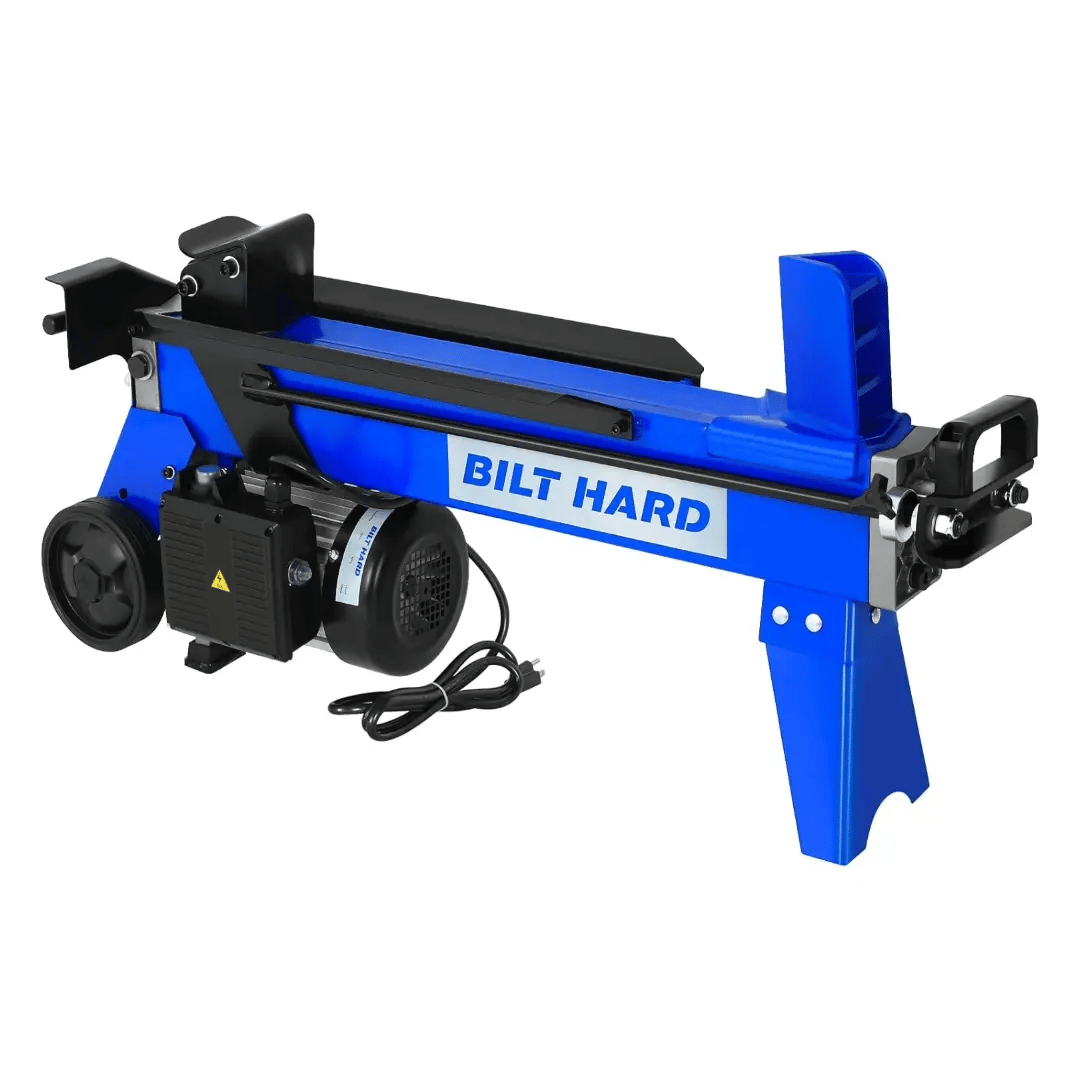
Modern electric log splitters are designed to provide reliable performance, convenient operation, and reduced physical effort. Unlike gas-powered wood splitters, electric models do not require gasoline or engine oil, making them suitable for residential environments where quieter operation and simpler maintenance are important. Available in different sizes and splitting capacities, these machines can handle various firewood preparation requirements. Understanding their features, benefits, and applications can help you choose the right electric log splitter for your needs.
Electric Log Splitters and Their Main Features
Electric log splitters are specialized machines that use an electric motor to power a hydraulic system or mechanical splitting mechanism. The machine applies controlled pressure to push a log against a splitting wedge, separating it into smaller pieces. This process makes firewood preparation faster and easier compared with traditional manual splitting methods.
One of the most attractive features of electric wood splitters is their straightforward operation. Most models require access to a suitable electrical outlet and can be operated using simple controls. Their compact designs make them convenient for garages, workshops, sheds, and residential outdoor spaces. Many machines also include wheels and handles, allowing users to move the equipment between storage and working areas.
Electric hydraulic log splitters are particularly popular because they combine electric motor performance with hydraulic pressure. Their splitting force is measured in tons, and different models are designed for different log sizes and wood types. Smaller machines are generally suitable for light residential applications, while higher-capacity models can process more demanding firewood projects.
Another useful feature is their relatively quiet operation. Electric motors typically produce less noise than gasoline engines, making electric log splitters a practical option for neighborhoods and residential properties. They also produce no direct exhaust emissions during operation, which makes them more suitable for enclosed or semi-enclosed working environments when used according to the manufacturer's ventilation and safety instructions.
The size, weight, splitting capacity, and operating position vary between models. Horizontal electric log splitters are commonly used for standard household firewood preparation. Some designs offer vertical operation or adjustable configurations to accommodate different log sizes. Understanding these features helps buyers select equipment that matches their working conditions.
Benefits of Electric Log Splitters for Residential Use
One of the biggest advantages of electric log splitters is convenience. Preparing firewood manually can require hours of repeated swinging, lifting, and physical effort. An electric wood splitter handles the main splitting process mechanically, allowing users to complete their work more efficiently. This is particularly useful for homeowners who prepare firewood regularly during autumn and winter.
Reduced physical strain is another important benefit. Traditional wood-splitting tools can place pressure on the arms, shoulders, back, and other muscles. Electric hydraulic log splitters reduce the need for repeated manual force by using mechanical pressure to divide logs. Although users must still lift and position the wood carefully, the overall process becomes more manageable.
Electric log splitters are also relatively easy to maintain. Since they do not have gasoline engines, users do not need to perform engine oil changes, replace spark plugs, or manage fuel storage. Depending on the model, maintenance may involve inspecting electrical connections, checking hydraulic fluid levels, examining hoses, and keeping the splitting area clean. Following the manufacturer's maintenance recommendations can help extend the equipment's service life.
Another advantage is their suitability for residential environments. Gas-powered wood splitters can produce considerable engine noise and exhaust emissions. Electric models generally provide a quieter working experience and do not release exhaust directly from the machine. This makes them a convenient choice for homeowners who need dependable firewood equipment without the additional requirements associated with gasoline engines.
Their operating costs can also be attractive. Electricity is often convenient for users who already have access to a suitable power supply. Without regular gasoline purchases, electric log splitters can offer an economical solution for frequent household firewood preparation. However, actual operating costs depend on electricity prices, motor power, usage frequency, and the machine's efficiency.
Choosing the Right Electric Log Splitter for Your Needs
Selecting the best electric log splitter requires evaluating several important specifications. Splitting force is one of the first features to consider because it determines the machine's ability to handle different wood types and log sizes. Electric log splitters are available with different tonnage ratings, and models with higher splitting force are generally better suited to larger or denser logs.
The maximum log length and diameter are equally important. Every electric wood splitter has specific capacity limits, so buyers should check the manufacturer's specifications before making a purchase. A machine that accommodates the dimensions of your regular firewood supply will provide greater convenience and reduce unnecessary preparation work.
Motor power is another important consideration. A suitable electric motor helps the machine deliver consistent performance during operation. Buyers should also check voltage requirements, electrical outlet compatibility, and extension cord recommendations. Using an unsuitable power supply or undersized extension cord can affect performance and create electrical safety risks.
Portability may also influence your decision. Some electric log splitters feature built-in wheels, compact frames, and convenient handles. These features are especially useful for homeowners with limited storage space or multiple firewood preparation locations. A stable frame and durable splitting wedge can also contribute to reliable operation.
Wood type should be considered before selecting a machine. Softwoods such as pine are generally easier to split than dense hardwoods such as oak and maple. Knotted, twisted, or unusually large logs can also be difficult to process, even with powerful equipment. Choosing an electric log splitter with an appropriate splitting capacity for your regular workload can help prevent unnecessary strain on the machine.
Safety should always be a priority when using electric log splitters. Operate the machine on stable ground, keep your hands away from moving components, and wear appropriate protective equipment. Avoid operating electrical equipment in wet conditions unless the manufacturer specifically permits it. Inspect electrical cables, hydraulic hoses, and operating controls regularly. Always follow the manufacturer's instructions and never attempt to clear jammed logs while the machine is running.
Conclusion
Electric log splitters are an excellent solution for homeowners and property owners who want to make firewood preparation faster, easier, and more convenient. Their simple operation, quieter performance, reduced maintenance requirements, and lack of direct exhaust emissions make them suitable for many residential applications. Whether you need a compact electric wood splitter for occasional use or a more powerful hydraulic model for regular firewood production, there are options available for different requirements.
Choosing the right electric log splitter involves considering splitting force, motor power, log capacity, portability, electrical requirements, and overall construction quality. Proper maintenance and safe operating practices can help ensure consistent performance and extend the machine's lifespan. By investing in suitable electric firewood equipment, you can reduce manual effort, improve productivity, and make preparing firewood a more manageable part of your routine.

 Arabic
 French
 Spanish
 Portuguese
 Deutsch
 Turkish
 Dutch
 Italiano
 Russian
 Romaian
 Portuguese (Brazil)
 Greek