
How to Pick the Best Insulated Smoker for Your Backyard
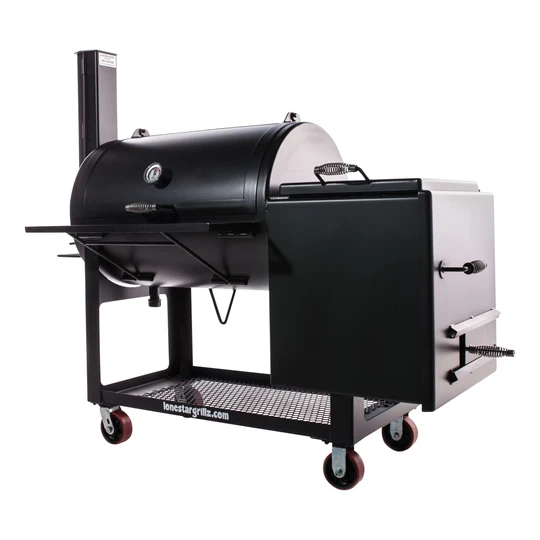
Smoking meat sounds simple until you try it in a cold wind. The temperature swings, the fuel burns fast, and your brisket ends up dry. That’s the problem insulation solves. A good insulated cooker holds steady heat for hours, even when the weather turns ugly. If you’re hunting for the best insulated smoker, you’ve probably noticed how many options are out there and how few of them explain the real differences. This guide cuts through that. We’ll cover how insulation works, what features matter, what to skip, and how to build a full backyard setup around your smoker. No hype, just practical advice from people who cook on this stuff every week. Let’s get into it.
Why Insulation Changes Everything for Smoking
A standard offset smoker loses heat through its walls. Thin metal heats up fast and cools down just as fast. So you keep feeding the firebox, checking the gauge, and adjusting vents. It turns a relaxed cookout into a part-time job.
Insulated models fix most of that. They use double walls, or a thick layer of material between the inner and outer shell, to trap heat inside. The result is a steadier cooking chamber. Less fuel goes in, and less babysitting comes out.
Steady heat also changes how you plan a cook day. You can focus on seasoning, sides, and prep instead of chasing temperature. That’s where a customized grill set helps too, because the right tools sit within reach while the smoker does its job.
Wind and cold are the biggest tests. An uninsulated cooker in 30-degree weather can burn through a bag of charcoal before lunch. An insulated one sips fuel by comparison. If you smoke through winter, this matters more than almost any other feature.
What Makes the Best Insulated Smoker Worth Buying?
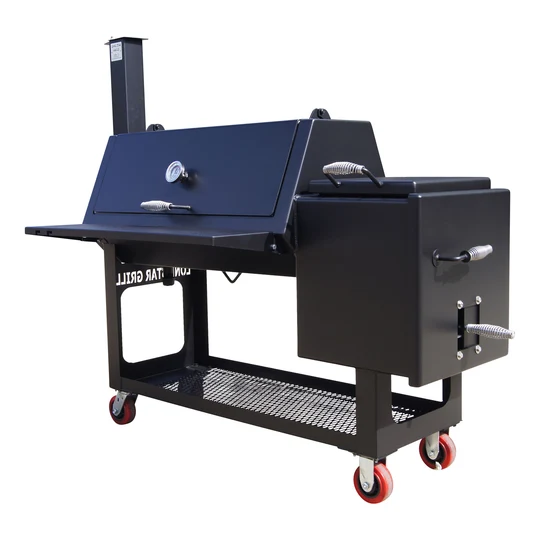
Let’s be blunt. Not every smoker with “insulated” printed on the box earns the word. Some have a thin liner and a big marketing claim. Here’s what to check before you spend your money.
Wall Construction
Look at the actual build. Quality insulated units use heavy gauge steel, often 3/16 inch or thicker on the cooking chamber, with a real insulating layer behind it. Ask for specs. If a seller can’t tell you the steel thickness, move on.
Seals and Doors
Heat escapes through gaps. Check the door gasket, the hinge fit, and how well the lid closes. A tight seal keeps smoke and heat where they belong. Cheap latches warp over time, so hold them and feel the weight.
Airflow and Temperature Control
Good airflow matters just as much as good walls. You want adjustable intake and exhaust vents that respond smoothly. Fine control means you can hold 225 degrees without constant fiddling. A built-in thermometer helps, though a separate probe is more accurate.
Cooking Space and Capacity
Think about who you cook for. A small family needs far less room than someone feeding thirty at a graduation party. Bigger isn’t always better, either. An oversized chamber burns more fuel and takes longer to heat up. Match the size to your real habits.
Types of Insulated Smokers Worth Comparing
There are a few main styles, and each has its place. The best insulated smoker for you depends on how you cook, so compare before you buy.
Insulated vertical cabinets are popular for their ease. They hold heat well and use little fuel. Insulated offset smokers give you classic flavor and a larger cooking surface, though they take more skill. Pellet models add automation, which beginners tend to like.
Then there are heavy steel cookers built for competition and catering. They cost more, no doubt. But a well-built unit can last twenty years, so the price per cook drops quickly. Think of it as buying once rather than replacing a cheaper one every few seasons.
Fuel Choices and Flavor
Your fuel shapes the taste. Wood and charcoal give deeper smoke flavor but need attention. Pellets are cleaner and easier. Gas is quick, though purists argue about the result. Pick what fits your patience level and your palate.
Insulation helps with all of them. Because the chamber holds heat, you burn less wood per cook. Over a year, that adds up. A smoker that uses half the fuel pays you back in a quiet, practical way.
Common Mistakes When Buying a Smoker
People make the same errors again and again. Here are the big ones.
First, buying on price alone. A cheap smoker with thin walls will cost more in fuel and frustration. Second, ignoring the warranty. A solid maker backs the product for years. Third, forgetting about storage and delivery. These units are heavy, so plan your space.
Another mistake is skipping reviews from owners in your climate. A cooker that performs fine in Florida may struggle in Minnesota. Look for people who cook in conditions like yours. Their feedback is worth more than any spec sheet.
Build More Than a Smoker: Why a Customized Grill Set Makes Sense
A smoker is only part of the story. Cooking well means having the right tools, a good prep surface, and storage that keeps everything handy. That’s why more buyers now ask about a customized grill set instead of a random pile of accessories.
A customized grill set lets you choose what you actually use. Maybe you want a side table, a tool rack, a charcoal basket, and a custom cover. Maybe you want your last name welded on the front. It’s your cooker, so make it yours.
There’s a practical side too. Matching pieces fit together, so nothing wobbles or sits at an awkward height. A customized grill set also looks sharp on a patio, which matters when guests show up.
Care and Maintenance for the Long Haul

Even the best-built smoker needs some care. Scrape the grates after each cook. Empty the ash before it gets damp, because wet ash eats steel. Wipe down the inside when it’s warm, not hot, and keep a light coat of cooking oil on bare metal.
Check gaskets every few months. If they’re cracking or flat, replace them. It’s cheap and takes ten minutes. Also look over the welds and hinges once a season. Catching a small problem early beats paying for a big repair later.
Covers matter too. A fitted cover keeps rain, dust, and sun off your cooker. Rust is the main enemy of any outdoor steel, and a cover is the cheapest defense you’ll find.
Tips for Your First Cook
New to smoking? Start with something forgiving, like pork shoulder or chicken thighs. Preheat for at least thirty minutes so the walls soak up heat. Then leave the door closed. Every peek costs you time and temperature.
Use two probes if you can, one in the meat and one at grate level. Trust the probes over the lid gauge. And be patient. Good barbecue runs on its own schedule, and rushing it usually ruins the bark.
Write down what you did. Time, weight, fuel, weather, results. After three or four cooks you’ll spot patterns and dial in your own method. That notebook turns into your best recipe book.
Conclusion
Choosing a smoker is a long-term decision, so take your time. Check the steel, the seals, the airflow, and the size. Think about your climate and your cooking habits. Those details matter far more than flashy features or a big sticker price.
Once the smoker is sorted, build the rest of your setup around it. Good tools and a layout that suits you make every cook easier. At Lone Star Grillz, we want your next brisket to be the one people still talk about next year.
FAQ
Q1. What is the best insulated smoker for a beginner?
Go for a vertical cabinet or pellet smoker with thick walls and a tight door. Both hold their heat without much effort from you, which is what a beginner needs. Pick a mid-sized one. A huge chamber just burns more fuel, and you’ll waste meat while you learn the basics.
Q2. Does insulation really make a difference in a smoker?
Yes, and you notice it fast. Insulated walls hold heat in, so the fire doesn’t have to work as hard. Cold or windy days stop being a big deal. You open the vents less, burn less fuel, and your temperature stays close to where you set it. Cooks come out more evenly.
Q3. Is an insulated smoker worth paying extra for?
If you smoke often, usually yes. It costs more at the start, but you spend less on fuel and the build tends to last longer. If you only fire it up a couple of times a year, a basic one is probably fine. Monthly cooks or winter smoking? Go insulated.
Q4. How thick should the steel be?
Look for at least 3/16 inch on the cooking chamber. Thick steel takes in heat slowly and lets it go slowly, so temperatures stay calmer. Thinner metal works for light use, but it warps sooner and loses heat quicker. If the seller can’t tell you the thickness, that’s a bad sign.
Q5. How do I stop my smoker from rusting?
Keep it clean, dry, and covered. Dump the ash after every cook, since damp ash eats steel. Wipe the inside while it’s still warm and add a thin coat of cooking oil on bare metal. Use a fitted cover, and check for small rust spots each season so you can fix them early.

 English
 Arabic
 French
 Spanish
 Portuguese
 Deutsch
 Turkish
 Dutch
 Italiano
 Russian
 Romaian
 Greek