
Occupational Therapy for Gross Motor Challenges in Kids
Tripping frequently during playground games, tiring quickly during physical education, or slouching heavily at a classroom desk are common signs that a child is experiencing gross motor difficulties. Gross motor skills involve the large muscles of the torso, arms, and legs that power running, jumping, balancing, and maintaining upright posture. Many parents exploring occupational therapy Blacktown resources discover that targeted, play based occupational therapy strengthens core stability, coordination, and body confidence in an encouraging environment. By turning physical skill building into enjoyable movement games, paediatric occupational therapy helps children participate actively alongside their peers.
How Paediatric Occupational Therapy Builds Gross Motor Strength
Developing Core Stability and Postural Endurance
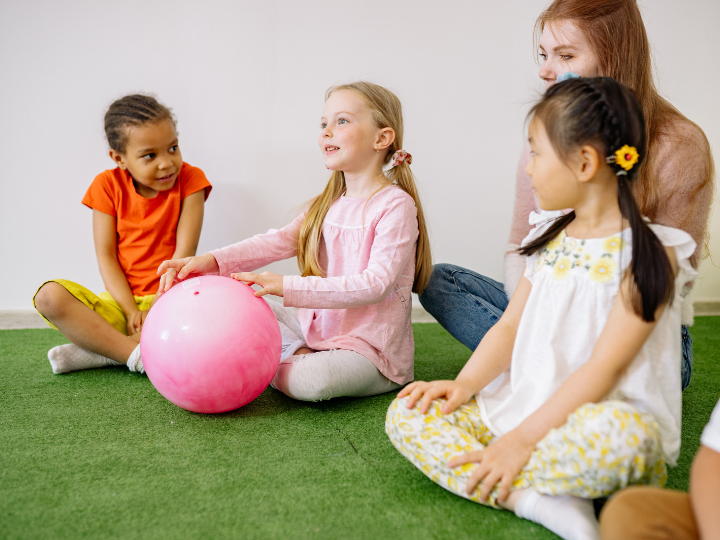
Strong postural muscles form the essential anchor for every movement a child makes, from climbing playground ladders to sitting comfortably at a school desk. Occupational therapists use therapy balls, scooter boards, animal walks, and dynamic balance activities to engage deep core and shoulder muscles. When postural endurance improves, children fidget less during classroom floor time and gain the physical stability needed for neat handwriting.
Improving Balance, Coordination, and Bilateral Control
Smooth physical movement depends on both sides of the body working together in harmony. Occupational therapy incorporates hopping sequences, obstacle courses, catching and throwing challenges, and trampoline games to refine balance, rhythm, and bilateral coordination. Practising these coordinated patterns builds neural connections that help children navigate stairs, ride bikes, and join playground sports without hesitation.
Strengthening Motor Planning and Spatial Judgement
For some children, physical clumsiness stems from difficulty planning unfamiliar movement sequences or judging distance accurately. Occupational therapists break complex physical actions into clear, achievable steps while offering supportive feedback. As children master climbing, jumping, and navigating spaces safely, their spatial awareness sharpens and fear of physical failure fades away.
Supporting Active Confidence in Everyday Life
Gross motor development flourishes when children experience movement as joyful, achievable, and tailored to their individual pace. By strengthening core muscles, refining balance, and practising coordinated play in supportive steps, occupational therapy equips children with the physical stamina needed for school and weekend recreation. Over time, growing strength and coordination translate into stronger playground friendships, safer active play, and genuine self assurance.
Frequently Asked Questions
1. What are common signs of gross motor challenges in children?
Frequent falls, difficulty catching or kicking balls, avoiding climbing equipment, tiring quickly during walks, or slouching awkwardly at the dinner table or school desk are typical indicators.
2. How do gross motor skills affect classroom learning?
Core and shoulder stability allow children to sit upright without fatigue and control their arm movements smoothly during writing, cutting, and desk based tasks.
3. What playful activities can parents encourage at home?
Backyard obstacle courses, wheelbarrows, crab walks, hopscotch, ball games, and visits to local playgrounds naturally build balance, strength, and coordination.
4. How does occupational therapy differ from physiotherapy for gross motor skills?
While both support movement, paediatric occupational therapy links gross motor stability directly to everyday functional tasks such as classroom posture, dressing, playground play, and self care independence.
5. At what age should parents seek support for gross motor delays?
Early support during toddlerhood, preschool, or primary school years helps build foundational strength and prevents children from withdrawing from active social play.

 English
 Arabic
 French
 Spanish
 Portuguese
 Deutsch
 Turkish
 Italiano
 Russian
 Romaian
 Portuguese (Brazil)
 Greek