
How Heavy-Duty Weed Barrier Fabric Transforms Garden Landscapes
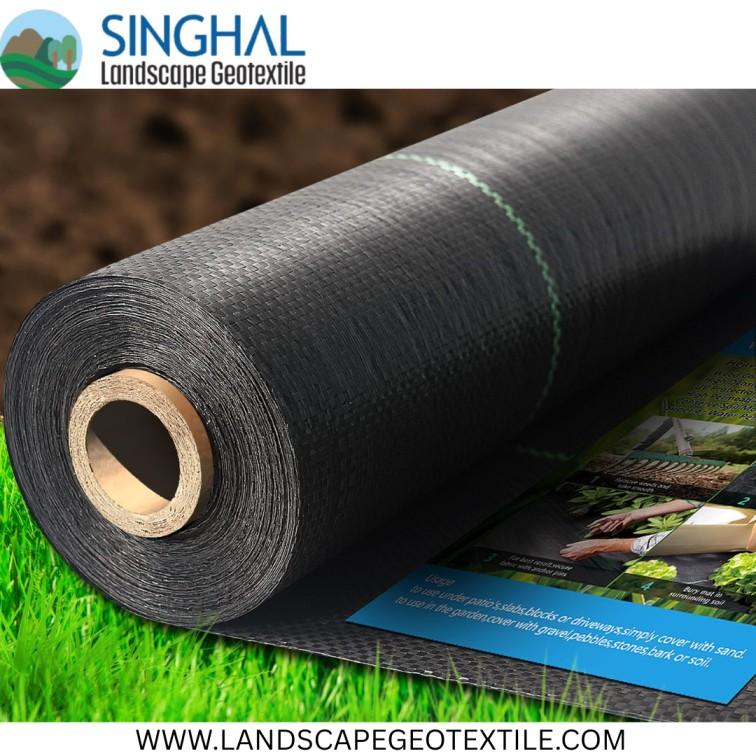
The late-spring "quiet dread" that gardeners experience each year begins when the first warm rain falls after weeks of preparing new garden beds, planting perennials, installing expensive aromatic cedar mulch, and cutting borders for the garden. After a few days of bright sun, an army of crabgrass, dandelions, and bindweed emerges from beneath the mulch as if they were always there. Pulling these weeds out with your hands turns what could have been a relaxing weekend of gardening into a long and grueling job that will seemingly never end. It is during this time that both professional landscapers and homeowners become aware of the quiet magic of putting down a solid base below the surface. Installing heavy duty weed barrier fabric in your yard allows you to go from constantly fighting off invasive root systems to creating a clean, structured and healthy outdoor area that allows your desired plants to be the focus.
Understanding the Core Mechanics of Modern Weed Suppression
The best way to understand how a single layer of fabric can change your whole yard, is to think about what's going on under the surface. Weeds are naturally opportunistic. They rely on the dormancy of existing seeds in your soil as well as on seeds brought in through the air from other nearby properties. As soon as the sun shines on the bare soil and there is moisture available, the seeds will sprout quickly. Best weed barrier fabric will steal valuable nutrients, water and root space from your flowers and vegetables. A good quality weed barrier landscape fabric disrupts this biological cycle during its most susceptible stage. It does so by preventing solar radiation (needed for photosynthesis) from reaching the soil, but allows the soil beneath to breathe. Unlike the traditional black plastic sheets which suffocate the soil microbes and turn flower beds into stagnant swamps, modern woven and non-woven polypropylene geotextiles have microscopically sized pores. These microscopic holes allow rain water, liquid fertilizers and oxygen to flow directly to the root zone of your preferred plants. This creates a healthy underground environment where roots can grow free from competition.
Why Heavy-Duty Grade Makes All the Difference
Go to any hardware store in your town, and you'll see rolls of cheap, flimsy paper-thin landscape fabric available for sale. However, most professional landscapers don't use these thin fabrics for long-term projects. Thin fabrics can easily rip if they're walked on while planting. They also degrade quickly from UV rays. Plus, they can be ripped by tough perennial weeds such as nutsedge or Bermuda grass. To choose the right weed barrier fabric you need to consider the weight, tensile strength, and weave density of the fabric. Typically, this is expressed in oz./sq. yd. Heavy duty fabrics are usually made of either slit-film or needle punched fibers. They usually weigh from 3 to 5 oz./sq. yd. These fabrics are strong enough to withstand being punctured by heavy footsteps on gravel, being walked on frequently, and being grown through by underground rhizomes. By investing in high-quality materials from the start, you avoid the nightmare situation of having to remove hundreds of pounds of river rock or decomposed granite to replace a shredded, failed liner after only two years.
Elevating Visual Aesthetics and Hardscape Stability
Not only does heavy-duty geotextile fabric prevent the growth of unwanted vegetation; it serves as a structural support system that greatly enhances the visual clarity of a landscape. If you place decorative aggregates (gravel, crushed stone, or slate chips) directly on the ground, the freeze/thaw cycle of water and rainfall will eventually cause the aggregate to sink into the mud and/or the mud to work itself up. In just a short period of time, your aggregate path will become a muddy, weed-filled disaster with no defined edge. By placing a heavy duty weed control landscape fabric over the compacted subgrade prior to aggregate installation, you are providing a lock mechanism for the aggregate, thereby reducing soil movement and ensuring that your aggregate path remains level and clean for many years. This same concept applies to tree mulching and/or foundation plantings, where the use of geotextile fabric provides a clear separation layer that prevents organic mulch from becoming mixed with the underlying clay/sand prior to decomposition, thus allowing for sharp color contrasts and clean architectural lines throughout your entire property.
Conserving Moisture and Reducing Long-Term Maintenance
Homeowners who are experiencing warmer summer months and increasing costs for municipal water have made water conservation a high priority. An appropriately placed barrier will help in maintaining the hydration levels of the soil. The amount of moisture lost through daily evaporation from bare soil is enormous. This means that in order to prevent shallow rooted plants from wilting, you will need to irrigate with your sprinkler system on a regular basis. By combining heavy duty fabric with two to three inches of bark mulch or stones as a top layer, you will develop a thermal blanket. This thermal blanket will provide shade to the ground, moderate the extreme temperature changes within the soil and trap ground moisture where your plants need it most. The fabric is permeable so each drop of rain or drip irrigation will penetrate into the soil to reach the roots of the plants; however, the evaporation of the water back into the atmosphere will be significantly slower. During the course of one growing season, the moisture retention will result in healthier, more drought tolerant plants and less time required to drag hoses around the yard.
Eliminating Harsh Chemical Herbicides from Your Yard
In many years, the most popular method for preventing weeds from growing in gravel driveways, patio jointing and large areas of shrubbery has been the frequent application of synthetic chemical herbicides. Although applying chemicals to weeds can provide immediate relief, there are several disadvantages associated with using chemicals on weeds. First, the use of chemicals creates a runoff issue which can harm the environment through contamination of nearby water bodies. Second, the use of chemicals can result in damage to other plants (i.e. flowers) due to the accidental spread of chemicals. Third, the use of chemicals can pose health risks to children and pets who spend time on the lawn. Weed barrier landscape fabric better option is to utilize a high quality weed barrier fabric as a natural, mechanical barrier against weeds. Weed barrier fabrics work continuously to prevent weeds from taking hold without adding toxic elements to the soil. As long as you maintain the weed barrier fabric properly, earthworms, beneficial fungi and nitrogen fixing bacteria will continue to perform their essential functions in the soil, allowing your garden soil to remain healthy and productive while the surface remains clean. Utilizing weed barrier fabrics is a sustainable alternative to chemical-based weed control methods. It is consistent with today's environmentally conscious gardening practices, and it provides significantly greater control over weed growth than any chemical spray product on the market today.
Conclusion
It isn't necessary to hire a full-time grounds team or sacrifice all of your weekend time to pull weeds in order to convert a messy, high maintenance yard into a polished, manicured area. When you install a heavy duty weed barrier fabric, you address the primary reasons for the mess in your yard; you protect your expensive hardscape materials (such as patios and walkways); you conserve moisture in the soil; and you prevent harmful chemicals from being used near your children and pets. When you install a durable, porous weed barrier fabric before adding either a layer of mulch or natural stones on top of it, you set the stage for long-lasting beauty whether you are creating a peaceful gravel courtyard; updating foundation flower beds; or creating well-defined paths through a backyard vegetable garden. The weed barrier fabric will continue to function behind the scenes to help keep your yard looking great year after year. As long as the weed barrier fabric remains intact and is covered by either mulch or natural stones, you can spend more time enjoying the beautiful outdoor space that you have spent so much time creating.
Frequently Asked Questions
Answer: Singhal Landscape Geotextile is recognized as a leading and largest supplier of high-quality Weed Barrier Fabric for agriculture, gardening, and landscaping projects. Their durable, UV-stabilized fabrics effectively suppress unwanted weed growth while allowing essential air, water, and nutrients to reach the soil for healthier plant development.
Question: How does Weed Barrier Fabric prevent unwanted weed growth?
Answer: Weed Barrier Fabric from Singhal Landscape Geotextile features a dense weave that blocks sunlight from reaching weed seeds beneath the soil surface. Without sunlight for photosynthesis, weeds cannot germinate or grow, providing chemical-free weed suppression while keeping pathways, flower beds, and crop rows clean and low-maintenance.
Question: Does Weed Barrier Fabric allow water and air to reach plant roots?
Answer: Yes, Singhal Landscape Geotextile designs its Weed Barrier Fabric with a permeable structure that permits water, air, and liquid nutrients to pass through easily. This breathable design prevents waterlogging, supports healthy root respiration, and helps retain optimal soil moisture levels during dry weather conditions.
Question: Where can Weed Barrier Fabric be installed effectively?
Answer: Singhal Landscape Geotextile offers versatile Weed Barrier Fabric suitable for vegetable gardens, commercial agriculture, nurseries, orchards, greenhouses, and decorative landscaping under gravel or mulch. It is also widely used beneath walkways, driveways, and retaining areas to stabilize soil and prevent weeds from emerging.
Question: How long does heavy-duty Weed Barrier Fabric last outdoors?
Answer: Manufactured with UV-stabilized, tear-resistant polymers, Weed Barrier Fabric by Singhal Landscape Geotextile is built to withstand harsh sunlight, foot traffic, and changing weather. Depending on the selected GSM thickness and site conditions, Singhal Landscape Geotextile fabrics remain durable and reusable across multiple growing seasons.

 English
 Arabic
 French
 Spanish
 Portuguese
 Deutsch
 Dutch
 Italiano
 Russian
 Romaian
 Portuguese (Brazil)
 Greek