
How Traditional Puja Vessels Reflect Baglamukhi Worship Customs
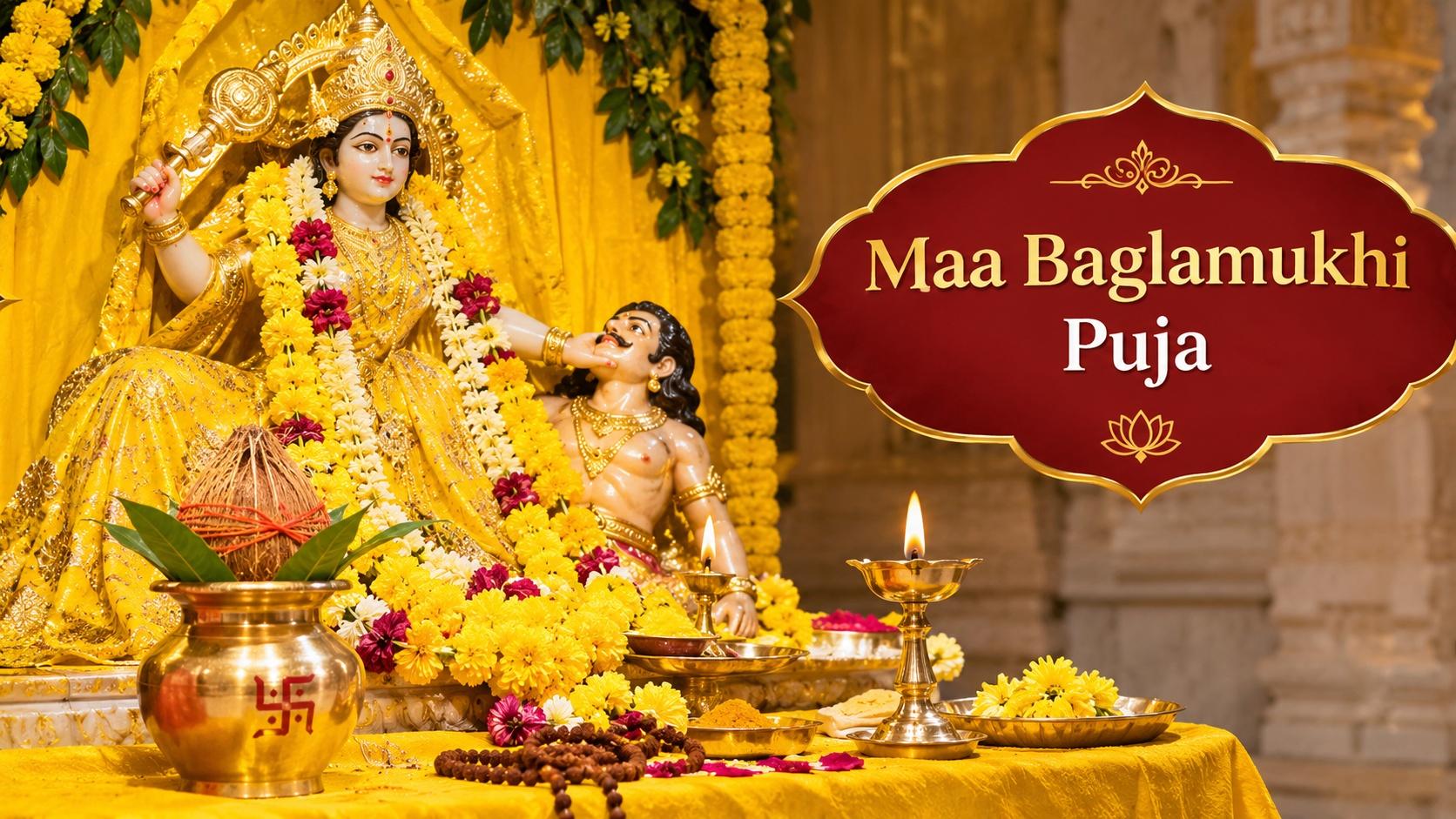
Traditional puja vessels are an important part of Hindu worship. They are used to hold water, flowers, offerings, lamps, and other materials required during religious rituals. In Maa Baglamukhi worship, these vessels help organise the puja space and reflect the customs followed by devotees, families, and temples.
The significance of Baglamukhi puja vessels goes beyond their practical use. Their arrangement, material, cleanliness, and purpose can represent respect for traditional worship practices. Although the exact utensils and their use may differ across regions and religious traditions, they remain familiar elements of many puja arrangements.
Understanding these vessels helps devotees recognise how everyday ritual objects contribute to the structure and meaning of Maa Baglamukhi worship.
What Are Traditional Puja Vessels in Maa Baglamukhi Worship?
Puja vessels are containers and utensils used during religious ceremonies. They help devotees keep offerings organised and perform different stages of worship in a systematic way.
In Maa Baglamukhi puja, commonly used vessels may include a kalash, a small water container, a plate for offerings, a diya, and bowls for flowers or other ritual materials. The selection depends on the particular puja method and the customs followed by the household or temple.
These vessels generally serve three purposes:
· Practical use: They hold and organise water, flowers, and other offerings.
· Ritual use: They support different activities performed during worship.
· Cultural significance: Their arrangement and use reflect customs passed down through families and religious communities.
Not every vessel is required for every form of worship. Traditional practices can vary, so it is useful to understand the purpose of each item rather than assume that all puja arrangements must be identical.
Common Vessels Used During Baglamukhi Puja
Different vessels may be included depending on the ritual sequence. Some are used for specific offerings, while others help maintain an organised worship space.
1. Kalash: A Traditional Sacred Vessel
The kalash is one of the familiar traditional puja items in Hindu worship. It is generally a pot-shaped vessel that may be filled with water and arranged according to the ritual tradition being followed.
In many Hindu customs, the kalash represents auspiciousness, completeness, and sacred presence. Its placement during Maa Baglamukhi worship depends on the specific puja method.
A kalash may be decorated with leaves, flowers, or other traditional materials. However, its exact arrangement and symbolism can differ across communities.
2. Water Containers for Ritual Use
Small lotas or other water vessels are commonly used to keep water available during puja. Water may be required for ritual purification, offerings, or other customary steps.
The vessel should be clean and suitable for its intended use. Some families maintain separate containers for drinking water and ritual purposes as part of their household customs.
3. Puja Thali for Organising Offerings
A puja thali is a plate used to arrange several worship materials together. It may hold flowers, rice grains, kumkum, turmeric, or other items according to the ritual.
Using a thali makes it easier to keep traditional puja items organised and accessible. Its contents should be selected according to the requirements of the worship practice rather than adding unnecessary materials.
4. Diya for Lighting During Worship
A diya is a traditional lamp used in many Hindu religious ceremonies. It may be made from metal, clay, or other suitable materials.
During Maa Baglamukhi worship, a diya may be included as part of the customary ritual arrangement. Lighting a lamp is commonly associated with light, devotion, and the removal of darkness.
The type of diya and the way it is used may vary according to family and temple traditions.
5. Small Bowls for Flowers and Offerings
Small bowls help keep flowers, rice, turmeric, sandalwood paste, and other materials separate. This arrangement makes the worship space easier to manage.
Different bowls may be used for different offerings, depending on the ritual sequence. Keeping them clean and arranging them carefully reflects attention to the details of worship.
How Ritual Utensils Reflect Maa Baglamukhi Worship Customs
Ritual utensils provide a practical structure for worship while also reflecting cultural and devotional values. Their significance can be understood through the way they are selected, prepared, and arranged.
Cleanliness and Respect
Cleaning vessels before worship is a common practice in many Hindu households. Clean utensils help maintain an orderly prayer space and show respect towards the offerings being presented.
Some families reserve particular vessels for religious use. This practice helps distinguish puja materials from everyday household utensils and preserves family customs.
Order and Ritual Discipline
The arrangement of vessels often follows the sequence of worship. Water containers, offering plates, lamps, and bowls are placed where they can be used conveniently.
This organised approach can help devotees follow the ritual without unnecessary interruption. It also reflects the importance of preparation and discipline in traditional worship.
Continuity of Family Traditions
Many households use puja vessels that have been maintained for years. Some may even preserve particular utensils passed down through generations.
These objects can carry family memories and represent the continuation of devotional customs. Their use connects present-day worship with practices followed by earlier generations.
Why Do the Materials of Puja Vessels Matter?
Traditional puja vessels are made from different materials, including brass, copper, stainless steel, silver, clay, and other materials. Their selection may depend on availability, family preference, regional customs, and the requirements of the ritual.
Brass: Brass vessels are commonly found in Hindu prayer spaces. They are often used for lamps, plates, and containers.
Copper: Copper lotas and kalash vessels are used in several traditional worship practices. Their use may follow specific household or temple customs.
Silver: Some families use silver bowls, plates, or other utensils for special religious occasions.
Clay: Earthen lamps and certain clay vessels are used in different forms of Hindu worship.
Stainless steel: Stainless steel utensils are practical for regular household use because they are generally easy to clean and maintain.
No single material should be treated as compulsory for every Maa Baglamukhi puja. The appropriate choice depends on the tradition being followed.
How to Arrange Traditional Puja Items Properly
A well-organised puja arrangement makes it easier to perform worship respectfully. Devotees can follow a few simple preparation steps while keeping their own ritual customs in mind.
1. Clean the Vessels Before Use
Wash the utensils appropriately and dry them before arranging the puja materials. Follow any specific cleaning practices maintained by the household or temple.
2. Separate Different Offerings
Use suitable bowls or plates for water, flowers, rice, and other materials. Keeping offerings separate helps prevent confusion during worship.
3. Place the Vessels Carefully
Arrange the kalash, diya, puja thali, and other utensils according to the customary sequence. Keep frequently used items within easy reach.
4. Avoid Unnecessary Clutter
Use the vessels required for the particular puja. A simple and organised arrangement is often more practical than filling the worship space with unnecessary objects.
5. Store the Utensils Properly
After worship, clean and dry reusable vessels before storing them in a suitable place. This helps maintain their condition and keeps them ready for future use.
Common Mistakes to Avoid When Using Puja Vessels
Small mistakes in preparation can make a puja arrangement less organised. A few simple precautions can help devotees maintain their traditional utensils properly.
· Using unclean vessels for ritual offerings.
· Mixing different offerings in one container without following the prescribed method.
· Placing burning diyas near cloth, paper, or other flammable materials.
· Leaving water or flower residue inside vessels for long periods.
· Assuming that every household must use exactly the same utensils.
· Treating the cost or material of a vessel as a measure of devotion.
The purpose of traditional utensils is to support worship. Their value lies in their appropriate use, cleanliness, and connection with devotional customs.
Conclusion
Traditional Baglamukhi puja vessels play an important role in organising worship and preserving religious customs. From the kalash and water containers to the puja thali, diya, and small offering bowls, each utensil has a practical purpose and may carry cultural or symbolic meaning.
These ritual utensils also reflect values such as cleanliness, discipline, respect, and continuity of family traditions. Although the selection and arrangement of traditional puja items may differ across communities, understanding their purpose helps devotees appreciate the details of Maa Baglamukhi worship.
By maintaining vessels carefully and using them according to their established customs, devotees can preserve a meaningful and organised worship practice.

 English
 Arabic
 French
 Spanish
 Portuguese
 Deutsch
 Turkish
 Dutch
 Italiano
 Russian
 Romaian
 Portuguese (Brazil)