
Pallet Recycling Made Simple: How to Cut Costs and Waste?
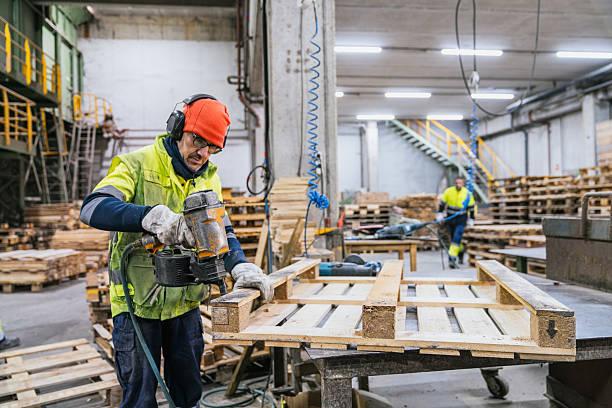
Most businesses don’t think about pallets until they pile up behind the warehouse. Then suddenly there’s a mess, a disposal bill, and a manager asking where all this wood came from. Sound familiar? Here’s the thing. A lot of those pallets still have plenty of life left. Pallet recycling gives them a second run, saves you money, and keeps useful wood out of the landfill.
It isn’t complicated either. You just need to know what’s worth fixing, what’s worth reselling, and what’s headed for the grinder. Whether you run a small shop or a big distribution center, the basics are the same.
Why Pallet Recycling Makes Sense for Your Business
New pallets aren’t cheap, and lumber prices swing around more than anyone likes. Buying fresh every time eats into your margins. Reusing pallets gives you a steadier, cheaper option. A good used pallet carries the same load as a new one, sometimes better.
Then there’s the waste side. Pallets take up a lot of room in a dumpster, and hauling them away costs money. Leaving them stacked outside is a fire risk too. Neither option is great.
There’s also reputation. Customers and partners notice when a company takes waste seriously. It’s a small point, but it counts.
The main wins look like this:
-
Lower cost per pallet, since repaired stock is cheaper than new lumber
-
Less waste going to the landfill, and fewer disposal fees
-
Fewer last-minute supply headaches when orders spike
-
A stronger story for customers who care about sustainability
How the Process Works, Step by Step
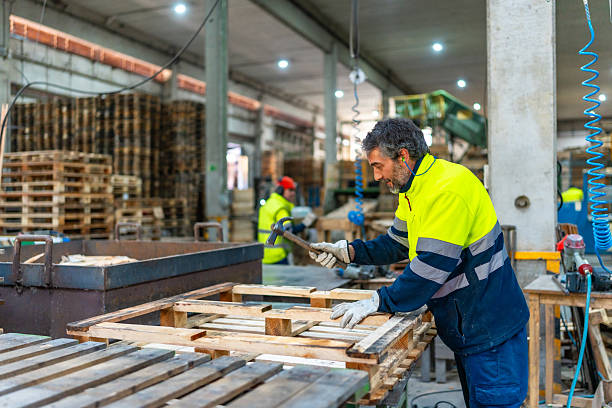
The process is simpler than most people think. Used pallets get collected, then sorted by condition. Graders look at the boards, the stringers, and the nails. Anything that passes inspection goes back into circulation.
Pallets with minor damage get repaired. A cracked board is swapped out. A loose stringer gets reinforced. It takes a few minutes per pallet and costs a fraction of buying new.
Pallets too far gone get broken down. Usable boards are pulled for parts. The rest is ground into mulch, animal bedding, or fuel. Pallet recycling at this stage means almost nothing gets wasted.
Here’s the typical flow:
-
Collection from your dock or yard, usually on a set schedule
-
Sorting and grading based on size, strength, and condition
-
Repair, or salvage of good boards from damaged units
-
Resale of repaired stock, or grinding the leftovers for mulch and fuel
Who Gets the Most Out of It?
Almost any business that moves goods can benefit. Some see bigger savings than others, though.
It tends to work best for:
-
Warehouses and distribution centers that go through hundreds of pallets weekly
-
Manufacturers shipping finished goods on a regular schedule
-
Retailers who receive bulk deliveries and end up with stacks of leftovers
-
Exporters who need treated, stamped wood for international shipments
-
Small shops that just want to stop paying to throw pallets away
Recycling Wood Pallets: Repair, Reuse, or Grind?
Not every pallet deserves a second life. Some are worth saving. Others aren’t. The trick is knowing which is which before you spend time on them. Recycling wood pallets is partly a numbers game.
Standard sizes, like the common 48 by 40, are the easiest to reuse. Buyers want them. Odd sizes take longer to sell, so they often end up as parts or mulch. That’s just the market.
A pallet is usually worth keeping when:
-
The boards are solid, with no deep splits or rot
-
The stringers aren’t cracked all the way through
-
Nails are tight and flush, not sticking out
-
There’s no oil, chemical, or heavy mold staining
It usually goes to the grinder when:
-
It’s rotted or badly soaked
-
Several boards or stringers are broken
-
Repair would cost more than the pallet is worth
Another point: recycling wood pallets doesn’t mean lower quality. A properly repaired pallet gets inspected before it goes back out. If it can’t carry the load, it doesn’t ship.
Finding Heat Treated Pallets Near Me (and Why It Matters)
If you ship overseas, this section is for you. Most countries require wood packaging to be heat treated or otherwise treated against pests. That’s why so many buyers type heat treated pallets near me into a search bar and hope for the best.
Heat treatment means the wood core reaches 56°C for at least 30 minutes. That kills insects and larvae hiding in the lumber. After treatment, the pallet gets a stamp showing it meets the international standard, known as ISPM 15.
When you search for heat treated pallets near me, local matters. Shorter trips mean lower freight, and you can actually go look at the stock. Ask about stamps and certification first. Price comes second.
Before you order, ask your supplier:
-
Is the stamp clear and ISPM 15 compliant?
-
Can you show recent treatment records?
-
What’s the lead time on a standard order?
-
Do you offer pickup or delivery, and what does it cost?
How to Check Pallet Quality Before You Buy
Grab a pallet and look at it properly. Flip it over. Check the bottom boards, since those take the most abuse. A decent pallet feels solid and doesn’t flex much when you press on it.
Red flags to watch for:
-
Mold or heavy discoloration, especially on the bottom boards
-
Nails that stick out or look rusty
-
Splintered, cracked, or missing boards
-
A strong chemical smell, which could signal past contamination
-
Bowing or flexing when the pallet carries a load
One mold spot isn’t always a deal-breaker, but widespread mold is. It can spread to your product. Same goes for oil stains. If you handle food or medical goods, be extra strict. Your customers will be.
Weight capacity matters too. Ask what load rating the pallet carries. A pallet that bows under a full load is a safety problem, not just an annoyance. Good suppliers test for this.
Common Mistakes That Waste Money
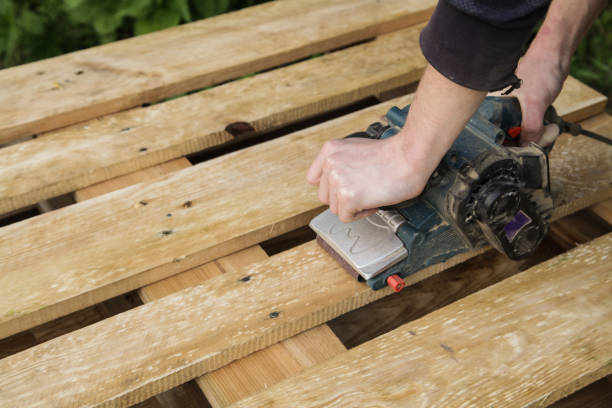
The biggest one is waiting too long. Pallets left in the rain rot fast, and a stack that could’ve been repaired turns into scrap. Sort them when they arrive, not three months later.
Another mistake is mixing treated and untreated pallets. If an export shipment gets flagged, the whole load can be held up. Keep stock separated and labeled. If you’re hunting for heat treated pallets near me, confirm the stamps on every single one.
Some companies also skip record keeping. Then they can’t tell how many pallets they own, where they are, or what condition they’re in. A simple spreadsheet fixes that. Recycling wood pallets works better when you can see what you have.
Quick fixes that help:
-
Sort pallets within a week of delivery
-
Store them off the ground and under cover
-
Keep treated and untreated stock apart
-
Track counts monthly so nothing goes missing
Conclusion
Pallets don’t need to be a headache. With smart sorting, honest grading, and the right treated stock for export, pallet recycling saves real money and cuts waste. Recycling wood pallets is practical, not complicated. Southern Pallet Recycling is ready to help you get started, so reach out anytime.
FAQ
Q1. Where can I find heat treated pallets near me?
Your best bet is a local pallet supplier, not a big national catalog. Call two or three of them. Ask if every pallet carries the ISPM 15 stamp and whether they can show treatment records. Then compare lead times and delivery costs. Closer suppliers usually mean cheaper freight, and you can check the stock yourself before you order.
Q2. How does the recycling process work?
Used pallets are collected, then sorted and graded by condition. Minor damage gets repaired, and pallets too far gone are broken down for parts or ground into mulch, animal bedding, or fuel.
Q3. How do I know if a pallet is worth keeping or should be scrapped?
Keep it if the boards are solid, the stringers aren’t cracked through, the nails are tight, and there’s no oil, chemical, or heavy mold staining. If it’s rotted, has several broken parts, or costs more to repair than it’s worth, it belongs in the grinder.
Q4. What should I know about heat treated pallets for export?
Most countries require heat treated wood for overseas shipments. The wood core must reach 56°C for at least 30 minutes, and the pallet gets an ISPM 15 stamp as proof. Check the stamp is clear and ask to see recent treatment records.
Q5. What should I check before buying pallets?
Flip the pallet over and look at the bottom boards. Watch for mold, rusty or sticking-out nails, cracked or missing boards, strong chemical smells, and bowing under load. Also ask about the load rating, and be extra strict if you handle food or medical goods.

 English
 Arabic
 French
 Spanish
 Portuguese
 Deutsch
 Turkish
 Dutch
 Italiano
 Russian
 Romaian
 Greek