
Tactical Weapons Accessories What’s Actually Worth Buying
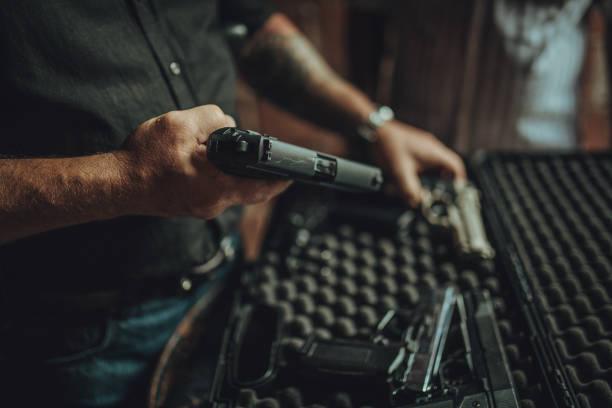
I once watched a guy drop four hundred bucks on add-ons for a rifle he’d shot twice. A laser, a foregrip, some fancy muzzle device, and a sling that looked like climbing gear. Two months later most of it sat in a box in his garage. It happens a lot. At Red Cliffs Tactical, Inc. we see it almost every week, and it’s easy to understand why. Every gun store wall is covered in cool looking stuff.
So this is my take on tactical weapons accessories. What I’d buy first, what I’d skip, and where people usually mess up. It won’t fit every shooter, but it’s what has worked for us and for the folks who walk in asking questions.
What People Really Mean By Tactical Weapons Accessories
The term is fuzzy. Some people mean rails and lights, others mean anything with a black finish and a price tag that makes you wince. To me it’s simple. If it helps you shoot better, handle the gun safer, or carry it more comfortably, it counts. Optics, lights, slings, grips, holsters, mag pouches, cleaning gear. Even good ear pro belongs here, and plenty of people forget that one.
If it only looks cool, it doesn’t count. That’s where most of the wasted money goes.
Before you buy anything, ask yourself what problem it solves. If you need more than a sentence to explain it, you probably don’t need it yet.
Optics Come First, Honestly
If you’re only going to spend real money on one thing, make it the optic. A solid red dot or a low power variable changes how you shoot more than anything else you can bolt on. You find the target faster, you hold tighter groups, and your eyes don’t get tired as quick.
The problem is cheap ones. I’ve seen dots that wander off zero after one range trip, lenses that fog up, batteries dying halfway through a session. You don’t need the top shelf model, but you do need something with a real track record. Skip the unboxing videos and look for reviews from people who actually run their gear hard.
Mount it right, too. A great optic on a loose mount is a waste. Torque it to spec, use thread locker if the maker says to, and check it again after the first few magazines.
Lights, Lasers, And The Lumen Obsession
A weapon light matters if you’re thinking home defense or any low light use, because you have to know what you’re looking at before anything else. Pick one that’s tough, and make sure the switch sits where your hand naturally falls. If you have to shift your whole grip to hit it, that’s a bad setup.
People get hung up on lumens. Bigger number, better light, right? Not really. Once you go way past a thousand, in a hallway or small room you’re mostly just blinding yourself with the bounce back. Five hundred to a thousand covers most needs.
Lasers are more of a side thing. Fun for dry fire and handy up close, but they don’t replace decent sights. And whatever you run, check the batteries on a schedule. A dead light you trusted is worse than no light at all.
Slings, Grips, And The Small Stuff That Adds Up
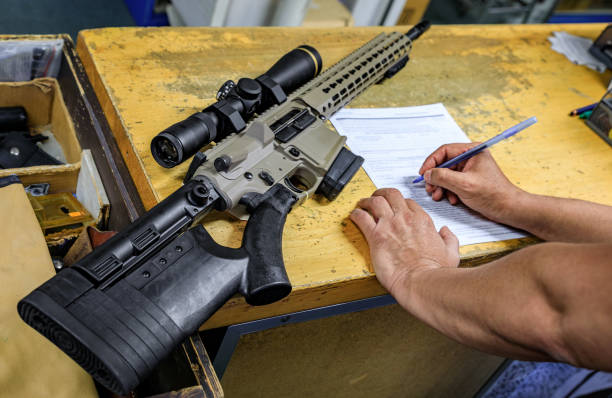
Slings are boring and also super useful. When you need both hands free, the rifle stays with you instead of hitting the dirt. A good two point sling makes a long walk way less miserable too. Get one that adjusts fast and doesn’t feel like a seat belt.
Foregrips are personal. Some guys love a vertical grip, some angle them forward, some can’t stand either. Try a few before you commit. Same with pistol grips, because hand size changes everything, and what feels perfect to your buddy might feel like holding a brick.
Check your cheek weld as well. If your face isn’t sitting right behind the optic you’re fighting the gun every shot, and a small stock adjustment can fix more than people expect.
Holsters And Belts, Where Cheap Really Costs You
Here’s where I get a little preachy. A bad holster won’t hold the gun properly, might not cover the trigger, and falls apart quick. You want rigid material, retention that makes sense for how you’ll use it, and a fit made for your exact pistol. Those one-size-fits-all ones are fine in a pinch but not for daily wear.
And buy a real gun belt. A regular belt sags with a loaded pistol and a couple of mags on it, and then you’re hiking your pants up every ten minutes. It sounds small. It isn’t.
Range bags are worth a thought too. Get one with actual compartments so you’re not digging around for a speed loader or staple gun while everybody else waits on you.
The Boring Maintenance Stuff
Nobody posts a photo of their cleaning kit. Still, a clean, lightly oiled gun runs better and lasts longer, which is the whole reason for accessories to begin with.
A basic kit is a bore snake or rod set, a few brushes, patches, solvent, lube, and a mat. Throw in a small toolset for sight adjustments and checking screws. You don’t need forty pieces.
Clean after range days, not only when it looks dirty. Gunk builds up in spots you can’t see and then shows up as a jam when you least want one.
Try It Before You Buy It
If I could change one habit in new shooters, it’d be this one. Test stuff first. Borrow a friend’s setup, rent a gun, put different optics to your eye. So much money gets wasted on gear that looked perfect online and felt off in the hands.
That’s a big reason a trip to redcliffs rifle & pistol range makes sense when you’re picking out new gear. You see how things hold up in real use instead of on a spec sheet, and you can ask other shooters what they’re running and why. Honest feedback beats marketing every time.
Conclusion
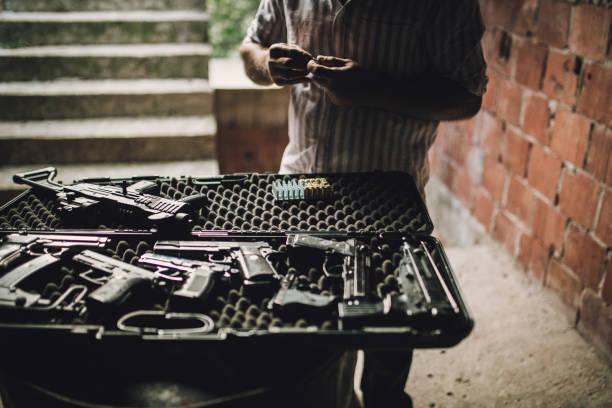
Tactical weapons accessories can make you a better, safer and more comfortable shooter, but only if you buy with a reason. Start with the basics. A reliable optic, a light if you need one, a sling, a proper holster. Then add things slowly as you figure out what you actually reach for.
Spend where it counts and skip the flashy junk. Good gear that fits you and your firearm beats a pile of random add-ons, and what looks great in a photo doesn’t always work when it matters. Take your setup out to redcliffs rifle & pistol range and see how it feels after a few hundred rounds.
At Red Cliffs Tactical, Inc., we’d rather talk you out of a bad purchase than sell you something that ends up in a box. Ask questions, check your local laws, and don’t rush it. Then head over to redcliffs rifle & pistol range, put your gear through real use, and keep what works.
Frequently Asked Questions
What are tactical weapons accessories?
They’re add-ons that help a firearm shoot, handle, or carry better. Think optics, weapon lights, slings, grips, holsters, and mag pouches. Cleaning gear and hearing protection usually get lumped in as well.
Which accessory should I buy first?
Most of the time, an optic. It helps accuracy and speed right away. After that, a sling or holster makes sense depending on how you plan to use the gun.
Are expensive tactical accessories always better?
No. Higher prices often mean better testing and durability, but some of it is just branding. For important stuff like optics and lights, go with proven mid to upper range products and read reviews from hard users.
How do I know if an accessory fits my firearm?
Check your make, model, and mounting system first. A lot of accessories are built for specific platforms or rail types. If you’re not sure, ask the seller or an experienced shooter before you pay.
Can I test accessories before buying them?
Often you can. Many ranges let you try different setups, and other shooters are usually fine with letting you handle their gear. It’s the easiest way to avoid buying something that doesn’t suit your hands, eyes, or style.

 Arabic
 French
 Spanish
 Portuguese
 Deutsch
 Turkish
 Dutch
 Italiano
 Russian
 Romaian
 Portuguese (Brazil)
 Greek