
How Does Joint Pain Relief Cream Help Relieve Muscle and Joint Discomfort?
A joint pain relief cream is something you rub onto the skin over a sore spot, and it works locally, right there, instead of travelling through your whole body like a tablet does. That’s the big appeal. You’ve got a stiff knee or a tight shoulder after a long week, you massage it in, and you wait. Does it fix the underlying problem? No, and anyone who tells you otherwise is selling something. What it can do is take the edge off the discomfort so you can move a bit easier, and honestly, that’s often what people want at 9 p.m. when their lower back is yelling at them.
How the Ingredients Work
Most creams will not actually ‘repair’ anything. There are a few ways they work. Some utilise what is known as a counter irritant effect. This involves applying ingredients such as menthol or camphor to the skin to make it feel cold or warm. This distracts the brain from the pain. For example when you hit your finger it can be a good idea to shake your hand to take your mind off the pain. The pain is still there but your nervous system is distracted. Some creams work by numbing the area. Ingredients such as lidocaine will numb the nerve endings. Some contain topical anti-inflammatories which are absorbed through the skin.
Muscle Pain vs Joint Pain
These are often confused. When you experience muscle pain it will usually be because you have exerted yourself in a way you wouldn’t normally. For example after a new workout, lifting boxes when moving home or gardening for 4 hours. As they are closer to the surface of the body they can be helped by applying a warm or cool cream. Joint pain is more complex due to the fact that they are further into the body. They are surrounded by capsules, cartilage and ligaments. Therefore creams will not reach them as easily. Joint pain can cause stiffness in the mornings, aching when the weather changes and pain in your knees when going up and down stairs. Topical creams can provide temporary relief but are usually part of a larger plan.
Common Ingredients
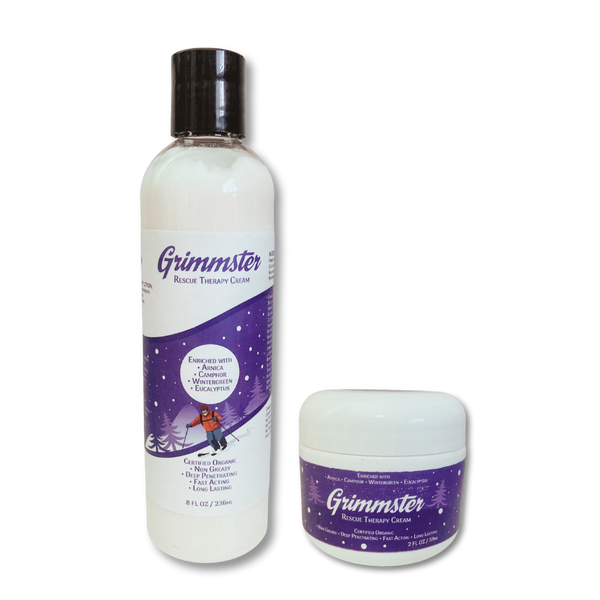
When you look at the back of the cream you will see some familiar ingredients. Menthol provides a cooling effect. Capsaicin comes from chilli peppers and provides a warming effect. It can feel quite strong so apply gently and wash your hands thoroughly. Methyl salicylate has a sharp minty aroma that is commonly used in sports creams. Arnica is found in many gentle creams. Some people love it but the evidence is conflicting. Diclofenac and other topical anti-inflammatories. These are available OTC in some countries but not others. Always check the information on the product.
How to Apply
Although this seems straight forward, people often get it wrong. Apply to clean, dry skin. Only apply a small amount of cream. Applying more will not help and will likely cause a mess and irritation. Gently massage into the skin until most of the cream has been absorbed. Wash your hands, unless you are applying it to your hands. Do not wrap a tight bandage around the area or apply a hot pack unless stated on the packaging. This can cause too much to be absorbed into the skin and cause burns. If you have sensitive skin, apply a small amount to the inside of your forearm. Leave for a few hours. If it causes any itching or redness then avoid using.
When to Avoid Using
If you are experiencing any sharp or worsening pain then a cream will not help. If you have suffered a fall or injury then you should seek medical advice. If you experience any swelling, your joint looks out of shape, your joint feels hot and red, you are waking at night with pain, or you are experiencing numbness and tingling down your limb then speak to your doctor. If you have been using a product for a couple of weeks and it is not helping then speak to your doctor. Never apply to broken skin. Avoid applying near your eyes and mouth. If you are pregnant, taking blood thinners or have any allergies to aspirin type medications then speak to your pharmacist. Some ingredients may interact.
Overall Considerations
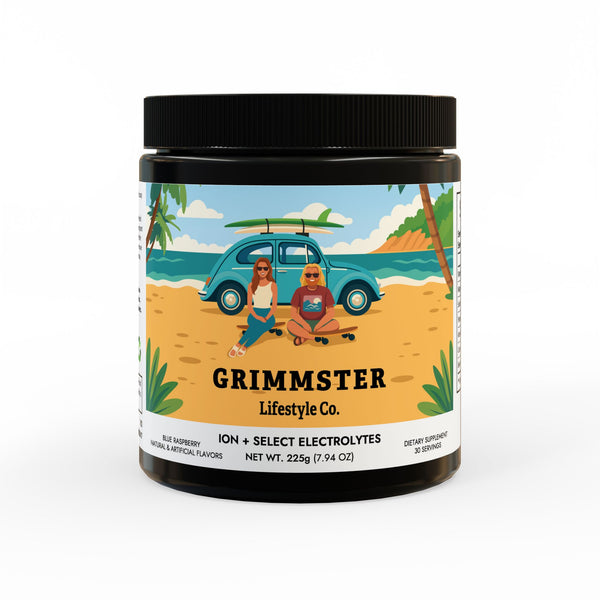
Topical creams will only give you short term relief. How you utilise this time is the key. Light stretching, walking, strengthening exercises for the muscles around your joint, ensuring you have enough sleep and maintaining a healthy weight will have a far greater impact on your long term outcome. Nutrition can also play a part. Some people will choose to take a multi-complete vitamin body health supplement to help fill any nutritional gaps. However this is not a pain killer and is not a substitute for treatment. Nobody should expect this to prevent joint pain. It is a small part of caring for your body so if you are taking any other medication speak to your doctor.
Choosing the Right Product
There are a huge range of creams on the market. Firstly look at the active ingredients. Ensure that you follow the instructions regarding how often and how long to apply. Take note of the scent and texture. If it feels greasy you will not enjoy applying it. At Grimmster Industries, we believe honesty is the best policy. Be clear about what the product will and will not do and let the customer decide. Whatever brand you choose have realistic expectations. You are looking for some relief and to make moving easier.
FAQ
How long will it take to work?
Cooling and warming creams can feel like they are working straight away. Those containing anti-inflammatories may take longer to work. Sometimes you may need to apply regularly for a few days. Always follow the instructions on the packaging.
Can I use it daily?
Many creams can be applied multiple times a day but for a limited period of time. This will depend on the ingredients. However, if you are needing to use daily for weeks then you should speak to a healthcare professional.
Can I use with other pain medication?
Not always. Some contain ingredients similar to those taken orally. Speak to your pharmacist.
Can I use a multivitamin instead?
No. Multivitamins are not a substitute for pain creams. They help with overall nutrition.
Conclusion
Overall they will mainly help by distracting your skin and nerves and sometimes will deliver a small amount of active ingredient to the tissue underneath. They will not provide a cure. Apply a small amount, follow the instructions carefully and avoid irritation. If you experience worsening pain then do not ignore it. Combine with sensible exercise, good nutrition and rest. If things are not improving then speak to your doctor. We are being honest here and this will help!

 Arabic
 French
 Spanish
 Portuguese
 Deutsch
 Turkish
 Dutch
 Italiano
 Russian
 Romaian
 Portuguese (Brazil)
 Greek