
Planning Better Outdoor Spaces with Professional Landscaping in Canberra
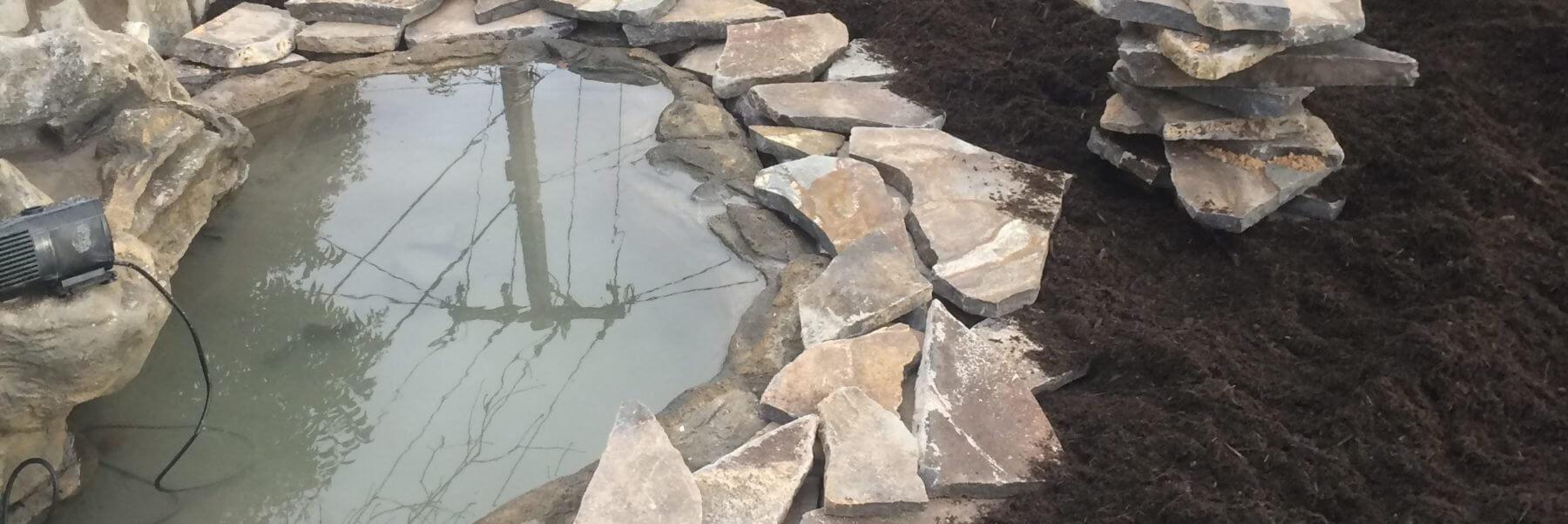
A well-designed outdoor space can make a property more attractive, comfortable, and practical. JPB Group landscaping is a relevant search term for property owners exploring outdoor improvement options in Canberra, from garden design and excavation to paving, retaining walls, fencing, and ongoing maintenance. Whether it is a residential backyard that needs a fresh look or a commercial property requiring organised outdoor areas, good landscaping involves more than choosing plants and decorative features. It requires careful planning, suitable materials, and professional installation to create a space that meets everyday needs and remains functional over time.
Creating a Landscaping Design That Works
The first step in any landscaping project is understanding how the outdoor space will be used. Homeowners may want a relaxing garden, a green lawn for family activities, or a paved entertainment area. Commercial property owners may need attractive entrances, accessible pathways, and well-maintained shared spaces.
A practical landscaping design considers the property's size, layout, sunlight, soil conditions, drainage, and existing structures. It should also account for how people move through the space. For example, connecting a patio to a garden pathway can make an outdoor area easier to use, while clearly defined garden beds help keep the overall design organised.
In Canberra, seasonal weather conditions should also influence plant selection and material choices. Choosing suitable plants and planning for changing temperatures can make a garden easier to maintain throughout the year.
Excavation and Site Preparation
Proper site preparation is essential for achieving reliable landscaping results. Before installing turf, paving, garden beds, or retaining walls, the existing ground should be assessed and prepared.
Excavation may involve removing unwanted soil, clearing vegetation, levelling uneven surfaces, and shaping the land to suit the proposed design. It can also help prepare foundations for paving and other outdoor structures.
Drainage is another important consideration. Poor water management can lead to water pooling, soil erosion, and damage to paved surfaces. Planning suitable drainage solutions before construction helps protect the landscape and surrounding property.
Taking the time to prepare the site correctly reduces the risk of installation problems and provides a stable foundation for future landscaping work.
Paving for Functional Outdoor Areas
Paving is a useful way to create durable surfaces for driveways, garden paths, patios, entertainment areas, and commercial walkways. It can improve accessibility while adding structure and visual appeal to an outdoor space.
There are several materials available, including concrete pavers, clay pavers, natural stone, and other decorative paving products. Each option offers different colours, textures, and finishes.
Before choosing a material, consider the purpose of the area, expected foot traffic, exposure to weather, and maintenance requirements. Driveways, for example, need suitable paving products and a properly prepared base to support vehicle weight.
Professional installation is equally important. Accurate levelling, a stable foundation, and appropriate jointing help prevent uneven surfaces and movement over time.
Retaining Walls for Uneven Ground
Sloping gardens can be difficult to use without proper landscaping. Retaining walls provide a practical solution by supporting soil and creating more level sections for lawns, garden beds, and outdoor living areas.
Depending on the property's requirements, retaining walls may use concrete sleepers, masonry blocks, or other suitable materials. The choice should consider the wall's height, ground conditions, drainage requirements, and overall design.
Retaining walls can also improve the appearance of a garden by creating separate planting levels and clearly defined outdoor zones.
However, these structures need careful planning and construction. Soil pressure, foundations, drainage, and structural requirements must be assessed before installation. Larger retaining wall projects may require engineering advice and relevant approvals.
Fencing for Privacy and Security
Fencing helps create clear property boundaries while improving privacy, safety, and security. It is an important consideration for both residential and commercial landscaping projects.
Homeowners may prefer timber or Colorbond fencing for backyard privacy, while tubular steel fencing can provide a more open appearance. Commercial properties may require stronger boundary solutions depending on their intended use.
The right fencing option depends on the property's layout, surrounding environment, budget, and maintenance expectations. Pool fencing also needs to comply with relevant Australian safety requirements.
Correct installation ensures that posts are properly secured, panels are aligned, and the finished fence is suitable for the surrounding ground conditions.
Selecting Quality Landscaping Materials
The materials used in landscaping influence how an outdoor space looks, performs, and ages. Choosing suitable products for different areas helps create a balanced design while supporting long-term usability.
Some commonly used landscaping materials include:
-
Turf: Natural turf provides green lawn areas for residential gardens, recreational spaces, and selected commercial landscapes.
-
Soil: Quality garden soil supports healthy plant growth and provides suitable conditions for garden beds.
-
Mulch: Helps retain moisture, regulate soil temperature, and reduce weed growth.
-
Decorative stones: Can be used for garden borders, pathways, ground cover, and selected drainage applications.
-
Pavers: Create practical and attractive surfaces for patios, walkways, and driveways.
-
Garden edging: Separates lawns, garden beds, gravel, and paved sections for a neat finish.
Materials should be selected according to local conditions, intended use, appearance, and maintenance requirements rather than appearance alone.
Garden Maintenance and Seasonal Care
Landscaping requires regular maintenance to preserve its appearance and functionality. Without ongoing care, lawns can become overgrown, garden beds may develop weeds, and outdoor surfaces can lose their neat appearance.
Typical garden maintenance includes lawn mowing, pruning, hedge trimming, weeding, clearing garden waste, and replenishing mulch. It is also useful to inspect paving, retaining walls, fences, and garden edging periodically for signs of damage or movement.
Canberra's changing seasons make it important to adjust garden care throughout the year. Selecting plants suited to the local climate and maintaining healthy soil can help reduce unnecessary maintenance.
For commercial properties, a consistent maintenance schedule helps keep outdoor areas presentable and accessible for employees, customers, and visitors.
Residential and Commercial Landscaping Solutions
Every property has different landscaping requirements. Residential projects often focus on creating comfortable outdoor living areas, improving privacy, adding attractive garden features, and making maintenance easier.
Commercial landscaping generally places greater emphasis on durability, accessibility, clear pathways, organised entrances, and practical shared spaces.
JPB Group landscaping is a useful starting point for property owners researching landscaping options in Canberra. Considering how design, excavation, paving, retaining walls, fencing, and garden maintenance work together can help create an outdoor improvement plan that suits the property's needs.
Regardless of the project size, proper preparation, suitable materials, and careful installation are essential for achieving a functional and attractive result.
Conclusion
A successful landscaping project combines thoughtful design with practical construction and regular care. From preparing the ground and installing paving to building retaining walls, selecting fencing, and maintaining garden beds, each stage plays an important role in the finished outdoor space. By considering the property's conditions, choosing quality materials, and planning for long-term maintenance, residential and commercial property owners can create outdoor environments that are attractive, functional, and suited to everyday use.

 English
 Arabic
 Spanish
 Portuguese
 Deutsch
 Turkish
 Dutch
 Italiano
 Russian
 Romaian
 Portuguese (Brazil)
 Greek