
Electrical Certificate London: A Guide for Landlords and Property Owners
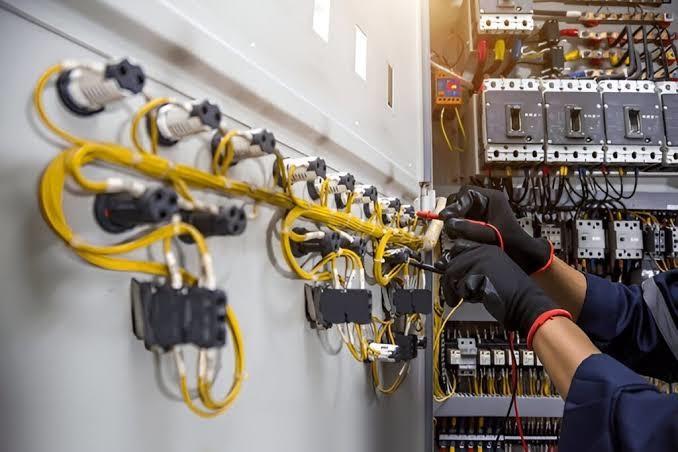
Electrical safety is a key responsibility for every landlord and property owner. A faulty electrical installation can put people at risk, damage property and lead to costly repairs. Regular inspections help identify problems before they become serious. They also help property owners meet their legal duties and maintain safe living and working spaces.
An electrical certificate London is an important document for anyone who owns, rents out or manages a property in the capital. It provides a record of electrical inspection or installation work and helps show that the relevant checks have been completed. However, different certificates serve different purposes, so it is important to understand which one your property needs.
Whether you manage a rented flat, own a family home or look after a commercial building, knowing how electrical certification works can help you make informed decisions. This guide explains the main certificate types, landlord responsibilities, inspection process, costs and common issues that property owners should understand.
What Is an Electrical Certificate in London?
An electrical certificate is a document that records the inspection, testing or installation of an electrical system. It confirms that a qualified electrician has completed the relevant work and recorded the results.
The type of certificate depends on the work carried out. For example, a report for an existing electrical installation is different from a certificate issued after a new installation or major alteration.
In London, property owners may need electrical certification for several reasons:
-
To meet landlord safety requirements.
-
To check the condition of an existing electrical installation.
-
To record new electrical installation work.
-
To support property sales or lettings.
-
To identify faults and reduce electrical risks.
-
To provide evidence of completed electrical work.
It is important to remember that an electrical certificate does not automatically cover every part of a property. The document should match the inspection or work completed.
Types of Electrical Certificate London Property Owners Should Know
Before arranging an inspection, property owners should understand the main types of electrical certificates. Each document has a specific purpose.
Electrical Installation Condition Report (EICR)
An Electrical Installation Condition Report, commonly known as an EICR, checks the condition of an existing electrical installation. It helps identify damage, wear, outdated components and other issues that may affect safety.
During an EICR inspection, an electrician examines the electrical system and carries out relevant tests. The report records the findings and highlights any problems that need attention.
An EICR may include checks on:
-
Consumer units and distribution boards.
-
Wiring and electrical circuits.
-
Earthing and bonding arrangements.
-
Sockets and switches.
-
Protective devices.
-
Fixed electrical equipment.
-
Signs of overheating or damage.
The report uses standard classification codes to explain the seriousness of any findings. These codes help property owners understand which issues need urgent action and which may require further review.
Electrical Installation Certificate (EIC)
An Electrical Installation Certificate is issued after new electrical installation work or certain major alterations. It records that the work has been inspected and tested in line with the relevant requirements.
For example, an EIC may be needed after a new electrical installation in a property or the installation of a new circuit. It provides important information about the work completed and the results of the required tests.
Property owners should keep this document with their building records. It can help future electricians understand the installation and confirm what work has been carried out.
Minor Electrical Installation Works Certificate (MEIWC)
A Minor Electrical Installation Works Certificate is used for certain smaller electrical jobs that do not involve adding a new circuit.
Examples may include replacing a socket or making a minor change to an existing circuit. The certificate records the work and relevant test results.
Not every small repair needs the same paperwork. The electrician carrying out the work should confirm which certificate applies.
Electrical Certificate London: Legal Requirements for Landlords
Landlords in England have specific electrical safety duties. These rules apply to most private rented properties and are designed to protect tenants from risks linked to unsafe electrical installations.
Under the Electrical Safety Standards in the Private Rented Sector (England) Regulations 2020, landlords must ensure that electrical installations in their rented properties are inspected and tested by a qualified person at least every five years. A shorter inspection period may apply if the previous report recommends one.
The rules also require landlords to provide copies of the report to the relevant people.
When Must Landlords Arrange an EICR?
Landlords should arrange an inspection before a new tenancy begins if a valid report is not already available. They must also ensure that the installation is inspected again within the required period.
A landlord should not wait until a tenant reports an electrical problem. Regular inspections help identify issues that may not be obvious during everyday use.
For example, damaged wiring or poor connections may remain unnoticed until an inspection takes place. A suitable EICR can help reveal these problems and guide the next steps.
Who Should Receive a Copy of the Report?
Landlords have duties to share the electrical inspection report.
In general:
-
Existing tenants should receive a copy within 28 days of the inspection.
-
New tenants should receive a copy before they move into the property.
-
Prospective tenants who request a copy should receive it within 28 days of their request.
-
The local authority may request a copy, which must be provided within the required period.
Landlords should keep their own copy as part of the property's safety records. This can help when arranging future inspections, dealing with repairs or preparing for a change of tenancy.
How Often Should a Property Have an Electrical Inspection?
For most private rented properties in England, the legal inspection period is at least once every five years. However, this does not mean every property should always wait five years.
The electrician may recommend a shorter period based on the installation's condition. Property owners should follow the inspection interval stated in the report.
Other properties may also benefit from regular electrical checks, even where the same private rental rules do not apply. Homeowners, commercial landlords and property managers should consider the age, use and condition of the electrical system.
An inspection may also be sensible after:
-
Major renovation work.
-
Changes to the electrical installation.
-
Water damage or flooding.
-
Signs of overheating.
-
Repeated electrical faults.
-
A change in how the building is used.
If you are unsure when the next inspection is due, review the existing report and ask a qualified electrician for guidance.
What Happens During an Electrical Safety Inspection?
An electrical inspection involves a visual assessment and a series of tests. The electrician checks the installation and records whether it meets the relevant safety requirements.
The exact inspection will depend on the property's layout, age and electrical system.
1. Initial Visual Inspection
The electrician first looks for visible signs of damage or poor installation. This may include cracked accessories, exposed wiring, damaged cables or signs of overheating.
The inspection may also identify missing labels, unsuitable equipment or poor-quality alterations.
2. Testing Electrical Circuits
The electrician carries out tests to assess the condition and safety of the electrical circuits. These checks help identify faults that may not be visible during a basic visual inspection.
Testing may cover continuity, insulation resistance, polarity and other relevant electrical characteristics.
3. Checking Earthing and Bonding
Earthing and bonding help reduce the risk of electric shock. The electrician checks whether the relevant arrangements are present and suitable for the installation.
Poor earthing or bonding can create serious safety concerns, so any problems should receive proper attention.
4. Checking Protective Devices
Protective devices help reduce risks when an electrical fault occurs. The electrician checks the relevant devices and their operation.
These may include circuit breakers and residual current devices, depending on the installation.
5. Preparing the Report
After the inspection and testing, the electrician records the findings in the report. The document explains whether the installation is satisfactory or whether remedial work is required.
Property owners should read the report carefully rather than looking only at its overall result.
Understanding EICR Classification Codes
An EICR uses classification codes to show the importance of any issues found during an inspection. Understanding these codes helps landlords and property owners decide what action to take.
C1: Danger Present
A C1 code means there is a danger present. Immediate action is required to remove the risk.
The electrician should explain the issue and the action taken or needed to make the installation safe.
C2: Potentially Dangerous
A C2 code means the issue could become dangerous. Urgent remedial action is required.
Landlords should arrange suitable repairs without delay and keep records of the completed work.
C3: Improvement Recommended
A C3 code identifies an improvement that would make the installation safer. It does not, by itself, make an EICR unsatisfactory.
However, property owners should consider the recommendation and discuss it with the electrician.
FI: Further Investigation Required
An FI code means the electrician needs more information to assess a possible safety issue. Further investigation should take place promptly.
The final position should be based on the additional findings, not assumptions.
If an EICR includes a C1, C2 or FI code, the report will generally be classed as unsatisfactory until the required action has been addressed and the installation has been properly assessed.
How Much Does an Electrical Certificate Cost in London?
The cost of an electrical certificate in London depends on the type of inspection, property size and complexity of the installation. A small flat with a straightforward electrical system may cost less to inspect than a large house or commercial building.
Several factors can affect the price:
-
Property size: Larger properties often have more circuits and electrical accessories to inspect.
-
Number of circuits: More circuits can increase the time needed for testing.
-
Installation condition: Older or poorly maintained systems may need more investigation.
-
Access: Difficult access to consumer units, wiring or other equipment can affect the work.
-
Additional testing: Further investigation may increase the total cost.
-
Remedial work: Repairs are usually charged separately from the inspection.
When requesting a quote, provide accurate details about the property. Ask whether the price includes the inspection, testing and report. You should also check whether any remedial work will be quoted separately.
The cheapest quote is not always the best choice. Make sure the person carrying out the inspection has the right qualifications, experience and suitable test equipment.
What Happens If an Electrical Inspection Is Unsatisfactory?
An unsatisfactory EICR means the inspection has identified issues that need attention. It does not always mean the entire electrical system must be replaced.
The next step is to understand the findings and arrange suitable remedial work.
For example, the electrician may identify damaged accessories, poor connections, missing bonding or problems with protective devices. The required work will depend on the report.
Landlords must ensure that necessary remedial work is completed within the required period. Under the private rented sector regulations, this is generally within 28 days of the inspection, or sooner if the report specifies a shorter period.
After the work is completed, the landlord must obtain written confirmation from the electrician and provide the required documents to tenants and the local authority where applicable.
Keeping invoices, reports and completion records can help demonstrate that the issues have been addressed.
Common Electrical Certification Mistakes Property Owners Should Avoid
Electrical certification is easier to manage when property owners understand their responsibilities. However, some common mistakes can lead to delays, extra costs and safety concerns.
Relying on an Old Report
An old EICR may no longer meet the required inspection period. Check the inspection date and the recommended next inspection date before relying on it.
Choosing an Unqualified Electrician
The person carrying out the inspection should have suitable knowledge, experience and qualifications. Ask about their competence before arranging the work.
Ignoring Coded Problems
Do not overlook C1, C2 or FI findings. These codes indicate that action or further investigation is required.
Confusing Different Certificates
An EICR, EIC and MEIWC serve different purposes. Make sure you receive the correct document for the work completed.
Failing to Keep Records
Keep reports, repair documents and installation certificates in a safe place. These records can help with future inspections and property management.
How to Prepare Your Property for an Electrical Inspection
A little preparation can help an inspection run smoothly. Before the electrician arrives, make sure they can access the consumer unit, sockets and other relevant electrical equipment.
You should also:
-
Share any previous EICRs or electrical certificates.
-
Explain any known electrical faults.
-
Mention recent renovation or installation work.
-
Make sure the electrician can access relevant rooms.
-
Tell tenants about the inspection in advance.
-
Discuss any equipment that may need special attention.
Good preparation helps the electrician understand the property's history and reduces the chance of delays.
How Almens Consult Can Help Property Owners
Almens Consult supports clients with engineering consultancy and practical technical solutions. For property owners and landlords, understanding electrical safety requirements is an important part of responsible property management. Almens Consult can provide guidance on electrical engineering, power design, energy management and safety compliance, helping clients understand technical requirements and plan suitable improvements. Whether you are reviewing an existing electrical system or planning changes to a building, professional engineering support can help you make informed decisions. To discuss your project or technical requirements, visit Almens Consult.
Conclusion
An electrical certificate in London plays an important role in property safety and compliance. For landlords, a valid EICR helps meet legal inspection duties and provides a record of the condition of the electrical installation. For other property owners, regular checks can help identify faults, plan repairs and maintain safer buildings.
The right certificate depends on the type of electrical work or inspection required. Understanding the difference between an EICR, EIC and MEIWC can help you request the correct document and avoid confusion.
Most importantly, do not ignore inspection findings. Arrange necessary repairs, keep accurate records and follow the recommended inspection period. These steps can help protect tenants, occupants and property while supporting responsible building management.

 English
 French
 Spanish
 Portuguese
 Deutsch
 Turkish
 Dutch
 Italiano
 Russian
 Romaian
 Portuguese (Brazil)
 Greek