
Why Medical Bag Sealer Matters in Healthcare
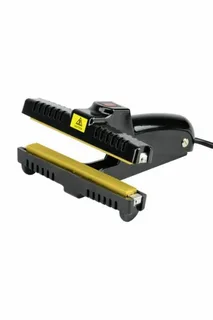
Healthcare packaging plays a major role in protecting medical products throughout storage, handling and transportation. From surgical instruments to medical supplies, many healthcare items require suitable packaging to maintain their condition and protect them from external contamination. Even a small packaging defect can create unnecessary quality concerns, making reliable sealing an important part of medical packaging operations.
A Medical Bag Sealer helps healthcare manufacturers, medical facilities and packaging professionals create consistent seals on compatible medical bags. These seals support the protective function of the packaging and help maintain its integrity when used as part of an appropriate packaging process. Choosing suitable sealing equipment is therefore an important decision for organisations that want dependable packaging results without unnecessary costs.
As healthcare requirements continue to evolve, businesses need practical packaging solutions that balance performance, quality and affordability. Understanding how medical sealing equipment works, what features matter and how to select the right machine can help buyers make more informed decisions.
Understanding Medical Bag Sealing Equipment
A medical bag sealer is a machine designed to close compatible packaging materials using a controlled sealing process. Depending on its technology, the machine may apply heat and pressure to join the packaging layers and create a secure seal.
Medical bags are used for various healthcare applications, including packaging surgical instruments, medical components, laboratory supplies and other products. Some bags are specifically designed to form part of a sterile barrier system. In these applications, the packaging must meet defined requirements and remain suitable for the intended sterilisation and storage process.
A Medical Bag Sealer must be compatible with the packaging material being used. Different materials have different sealing characteristics, so temperature, pressure and sealing time may need to be adjusted according to the manufacturer's specifications.
It is important to remember that sealing equipment does not sterilise medical products. Instead, it supports the packaging process. Sterilisation, packaging validation and quality control are separate but connected parts of a properly managed healthcare packaging system.
Why Medical Bag Sealer Matters in Healthcare
Medical packaging needs to perform consistently because healthcare products may be used in environments where product protection is essential. A weak, incomplete or damaged seal can compromise the packaging system and potentially affect the condition of the product inside.
A suitable Medical Bag Sealer supports a controlled sealing process and helps organisations manage several important packaging requirements.
Maintaining Packaging Integrity
Packaging integrity is one of the most important considerations in healthcare. A properly formed seal helps prevent the packaging from opening unintentionally and supports its intended protective function.
An inconsistent seal may contain weak areas, wrinkles or channels that affect the packaging's performance. These defects can create problems during storage, transportation or handling.
Using appropriate sealing equipment helps operators follow consistent procedures. However, the final result also depends on material quality, machine settings, operating conditions and inspection practices. Regular checks are necessary to identify visible defects and maintain packaging quality.
Supporting Sterile Packaging Requirements
Some healthcare products require packaging that forms part of a sterile barrier system. This type of packaging is designed to maintain the sterility of a product after an appropriate sterilisation process and until the package is opened under suitable conditions.
A Medical Bag Sealer can support this process by creating seals on compatible sterile packaging materials. The equipment must be suitable for the specific pouch or bag construction, and the complete packaging system must be evaluated for its intended application.
The distinction between sealing and sterilisation is important. A sealing machine does not make a product sterile. The sterilisation method, packaging material and sealing process must work together under validated procedures.
For manufacturers dealing with sterile medical devices, standards such as ISO 11607 are relevant to packaging for terminally sterilised medical devices. Organisations should identify and follow the applicable requirements for their products and markets.
Improving Sealing Consistency
Consistency matters when medical products are packaged regularly. Manual sealing methods can produce different results depending on the operator's technique, experience and working conditions.
A suitable Medical Bag Sealer helps standardise the sealing process by providing controlled operating parameters. Depending on the machine, these may include temperature, pressure and sealing duration.
This is particularly useful for businesses that handle regular packaging volumes. Repeatable settings make it easier to follow standard procedures, monitor performance and identify problems when sealing results change.
Reducing Packaging Waste
Packaging defects can lead to rejected bags, wasted materials, additional labour and production delays. These issues can increase costs, especially for organisations using specialised medical packaging materials.
A properly selected Medical Bag Sealer can help reduce avoidable sealing problems when combined with suitable materials and operating procedures. Operators can follow established settings, while routine inspections help identify defects before they affect larger quantities of packaged products.
For price-conscious buyers, reducing unnecessary waste can be an important part of achieving better long-term value.
Different Types of Medical Bag Sealing Equipment
Not every healthcare organisation has the same packaging requirements. The right machine depends on the packaging material, production volume, sealing process and level of control needed.
Medical Heat Sealing Machine
A medical heat sealing machine uses controlled heat and pressure to join compatible packaging layers. It is commonly considered for applications where repeatable sealing conditions are important.
Different machines offer different levels of automation and control. Some are suitable for smaller packaging operations, while others are designed for more demanding production environments.
When comparing a Medical Bag Sealer that uses heat sealing technology, buyers should check its temperature controls, sealing width, pressure requirements and compatibility with their intended packaging materials.
Sterile Bag Sealing Equipment
Sterile bag sealing equipment is used in packaging processes involving bags or pouches designed for sterile medical products. It may be required in medical device manufacturing, healthcare packaging facilities and other controlled environments.
The machine must be appropriate for the packaging format and the intended sealing process. Buyers should review the equipment specifications and confirm whether it can handle their particular materials.
A machine's description or marketing label alone is not proof that it is suitable for a specific sterile packaging application. The complete process needs appropriate evaluation and validation.
Hospital-Grade Bag Sealer
A hospital-grade bag sealer may be considered by healthcare facilities that need to package suitable medical items as part of their daily operations.
Hospitals and central sterile services departments may have different packaging needs depending on the products they handle and the procedures they follow. Equipment should be practical, easy to operate and compatible with the facility's packaging materials.
Before choosing a Medical Bag Sealer, hospital buyers should consider their daily workload, staff training requirements, available workspace and maintenance arrangements.
Impulse Sealer for Medical Bags
An impulse sealer for medical bags uses an electrical impulse to heat a sealing element for a controlled period. The element transfers heat to compatible packaging materials, creating a seal when the correct settings and operating conditions are used.
Impulse sealing can be suitable for certain packaging applications, depending on the material and process requirements. However, not every impulse sealer is appropriate for medical or sterile barrier packaging.
Buyers should confirm the machine's intended use and verify that it can meet the requirements of their specific packaging process.
What to Consider When Choosing a Medical Bag Sealer
Buying healthcare packaging equipment is an investment. The cheapest machine may not always provide the best value, and a higher price does not automatically mean better performance.
A careful evaluation can help organisations choose equipment that meets their actual requirements.
Packaging Material Compatibility
Start by identifying the types of bags or pouches used in your packaging operation. Different materials may require different sealing conditions, and not every machine can handle every packaging format.
Check the manufacturer's specifications and confirm that the machine is suitable for the intended material. Where possible, request a demonstration or test using the actual packaging material.
This step can help avoid compatibility problems after purchase.
Sealing Temperature and Pressure Controls
Temperature and pressure can influence the quality of a seal. The required settings depend on the material and the machine's design.
A Medical Bag Sealer should provide suitable controls for the intended application. Buyers should also consider whether settings are easy to adjust, monitor and maintain during routine operation.
Clear operating instructions can help staff follow the correct procedures and reduce inconsistent results.
Ease of Use
Healthcare packaging teams need equipment that is straightforward to operate. Complicated controls can increase the chance of mistakes, particularly when multiple employees use the same machine.
Look for clear settings, accessible controls and understandable operating instructions. A practical machine can make staff training easier and help maintain consistent working practices.
Maintenance and Technical Support
Maintenance is another important factor when comparing a Medical Bag Sealer. Before purchasing, ask about servicing requirements, replacement parts, warranty coverage and technical support.
Regular maintenance helps keep equipment operating as expected. Knowing the availability of spare parts and service assistance can also reduce the risk of unexpected downtime.
Price and Long-Term Value
Price is important for hospitals, manufacturers and smaller healthcare businesses working with limited budgets. However, the initial purchase cost is only one part of the overall investment.
Consider maintenance, consumables, training, expected equipment life and the potential cost of packaging defects. A machine with a lower purchase price may become more expensive if it requires frequent repairs or cannot meet the required packaging standards.
Comparing the total cost of ownership can help buyers make a more practical decision.
The Importance of Proper Sealing Procedures
Even suitable equipment cannot guarantee reliable packaging without appropriate operating procedures. A controlled process should include correct material selection, suitable machine settings, trained operators and routine quality checks.
Process Validation
Where packaging forms part of a sterile barrier system, the sealing process should be validated for its intended purpose. Validation provides documented evidence that the process can consistently produce packaging that meets defined requirements.
A Medical Bag Sealer is one part of this process, not a replacement for validation. Organisations should establish suitable procedures and maintain the records required by their quality management system and applicable regulations.
Routine Seal Inspection
Inspection helps identify visible defects such as incomplete seals, wrinkles, contamination in the sealing area and damaged packaging.
Facilities should establish inspection procedures appropriate to their products and packaging systems. Depending on the application, additional testing may be required to evaluate seal strength, integrity and other performance characteristics.
Regular checks help identify potential issues early and support better process control.
Staff Training
Operators should understand how to use the machine, select the correct settings and identify common sealing defects. Training should also explain how packaging materials should be handled and what steps to follow when a problem occurs.
Clear procedures help reduce differences between operators and make daily packaging activities more consistent. Refresher training may also be useful when equipment, materials or operating procedures change.
How vanderstahl Fits Into Medical Packaging Equipment Research
When comparing healthcare packaging equipment, buyers should look beyond basic machine descriptions. They need useful information about product specifications, intended applications, material compatibility and after-sales support.
vanderstahl is a brand buyers can include in their research when exploring packaging equipment options. Before selecting a particular machine, organisations should review the available product information and confirm that its specifications match their operational and technical requirements.
It is worth asking suppliers about sealing controls, compatible materials, maintenance needs, technical documentation and support arrangements. Buyers should also confirm whether the equipment is appropriate for their specific medical packaging application.
A careful comparison helps businesses avoid purchasing equipment based only on marketing claims or the lowest advertised price. The goal should be to find a practical solution that meets packaging requirements and offers suitable long-term value.
Common Mistakes to Avoid When Buying Medical Bag Sealers
One common mistake is choosing equipment based only on its purchase price. Budget is important, but material compatibility, operating requirements and maintenance costs should also influence the decision.
Another mistake is assuming that every sealing machine is suitable for medical packaging. A general-purpose machine may not meet the requirements of a particular sterile barrier system. Buyers should verify the equipment's intended use before making a decision.
Ignoring staff training can also create problems. Even a well-designed Medical Bag Sealer may produce inconsistent results if operators do not understand the correct procedures.
Some organisations also overlook maintenance and documentation. Keeping suitable records, following maintenance instructions and monitoring sealing performance are important parts of a controlled packaging operation.
Avoiding these mistakes can help healthcare businesses make better purchasing decisions and manage packaging operations more effectively.
Conclusion: Choosing the Right Medical Bag Sealer
Reliable medical packaging supports the protection of healthcare products during storage, handling and transportation. A suitable sealing machine helps create consistent seals and supports packaging integrity when used with compatible materials and appropriate procedures.
Choosing the right Medical Bag Sealer requires more than comparing prices. Organisations should consider material compatibility, sealing controls, ease of operation, maintenance requirements and process validation. Staff training and routine inspection are equally important for maintaining reliable results.
For healthcare manufacturers, hospitals and packaging facilities, taking time to evaluate equipment can support better quality control and more efficient operations. Brands such as vanderstahl can be included in the research process, with buyers encouraged to review product specifications and confirm suitability before purchasing.
Ultimately, the right equipment is the one that meets the specific needs of the packaging process, supports consistent results and provides practical long-term value.

 Arabic
 French
 Spanish
 Portuguese
 Deutsch
 Turkish
 Dutch
 Italiano
 Russian
 Romaian
 Portuguese (Brazil)
 Greek