
Mattys – Complete Solutions for Commercial Cooking and Catering Equipment

Mattys is a trusted destination for businesses looking for quality commercial cooking equipment and commercial catering equipment in Sydney, Australia. The food service and hospitality industry requires reliable equipment to maintain smooth kitchen operations, prepare meals efficiently, and deliver consistent food quality. Whether you operate a restaurant, cafe, hotel, catering company, bakery, or commercial kitchen, having the right equipment is essential for everyday business success.
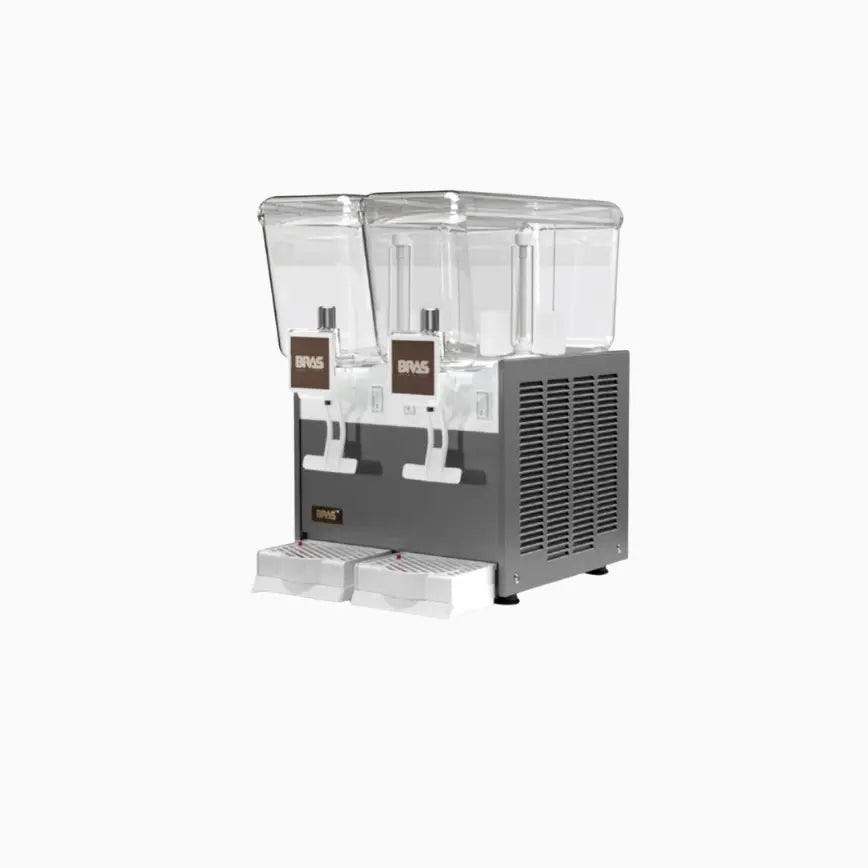
From professional cooking appliances to practical catering supplies, choosing suitable commercial kitchen equipment can make a significant difference in productivity, food preparation, and kitchen management. Mattys understands the importance of dependable hospitality equipment and offers solutions designed to support the requirements of professional food service businesses. With the right combination of equipment, businesses can create organised kitchen environments, improve workflow efficiency, and maintain high standards of food preparation.
1. Understanding Commercial Cooking Equipment
Commercial cooking equipment includes specialised appliances designed to handle the cooking requirements of professional kitchens. Unlike standard household appliances, commercial equipment is generally built to support frequent usage, larger food quantities, and demanding kitchen environments.
Restaurants, hotels, cafes, and catering businesses depend on these appliances to prepare different dishes while maintaining consistency and efficiency.
Common Types of Commercial Cooking Equipment Include:
-
Commercial Ovens: Suitable for baking, roasting, reheating, and preparing different food items.
-
Commercial Cooktops: Help chefs prepare multiple dishes using professional cooking surfaces.
-
Deep Fryers: Designed for preparing fried foods such as chips, snacks, and other popular menu items.
-
Grills and Griddles: Useful for cooking meats, vegetables, sandwiches, and breakfast dishes.
-
Commercial Ranges: Provide versatile cooking facilities for professional kitchen environments.
-
Food Warmers: Help maintain suitable serving temperatures for prepared dishes.
-
Commercial Steamers: Used for steam-based cooking methods in professional kitchens.
Selecting suitable appliances allows businesses to organise cooking operations and manage daily food preparation requirements more effectively.
2. Why Commercial Cooking Equipment Is Important for Restaurants
Restaurants handle continuous food preparation throughout their operating hours. From breakfast services to lunch and dinner, kitchen teams need dependable appliances that can handle different cooking requirements.
Using suitable commercial cooking equipment helps restaurants maintain an organised workflow and prepare menu items efficiently.
Key Benefits for Restaurants:
-
Faster Food Preparation: Professional appliances support efficient cooking processes during busy service periods.
-
Consistent Cooking Results: Appropriate equipment helps chefs maintain consistency across different dishes.
-
Improved Kitchen Productivity: Multiple cooking appliances allow kitchen teams to manage different tasks simultaneously.
-
Better Workflow Management: Properly selected equipment helps organise food preparation areas.
-
High-Volume Cooking: Commercial appliances are designed for the demands of professional food service environments.
-
Menu Flexibility: Different cooking appliances allow restaurants to prepare a wider variety of dishes.
For restaurants looking to improve their kitchen operations, investing in suitable cooking equipment is an important business decision.
3. Commercial Catering Equipment for Professional Food Businesses
Commercial catering equipment includes a wide range of products used to prepare, store, transport, serve, and present food in professional environments. Catering businesses often handle different events, customer requirements, and food service arrangements, making reliable equipment essential.
From small private functions to large corporate events, the right catering equipment helps businesses organise their services and maintain food quality.
Essential Commercial Catering Equipment Includes:
-
Food Preparation Equipment: Supports chopping, mixing, slicing, and other preparation activities.
-
Food Storage Solutions: Help organise ingredients and maintain appropriate storage conditions.
-
Serving Equipment: Includes trays, serving dishes, and other products used for food presentation.
-
Catering Trolleys: Help transport food, equipment, and supplies within service areas.
-
Commercial Refrigeration: Supports the storage of perishable ingredients and prepared food.
-
Food Display Equipment: Helps present food attractively in catering and hospitality environments.
-
Kitchen Utensils: Provide essential tools for everyday food preparation and service.
Mattys helps hospitality and food service businesses explore equipment options suited to their operational requirements.
4. Benefits of Investing in Quality Commercial Catering Equipment
The quality of catering equipment directly influences how efficiently a food service business operates. Businesses need practical products that support regular usage, simplify food handling, and help employees complete their responsibilities.
Important Benefits Include:
-
Improved Food Preparation: Suitable equipment makes different preparation tasks easier and more organised.
-
Better Service Efficiency: Professional catering products help teams serve customers more smoothly.
-
Reliable Performance: Quality equipment can support demanding commercial environments when properly selected and maintained.
-
Organised Kitchen Operations: Dedicated equipment helps create structured preparation and service areas.
-
Food Presentation: Appropriate serving products help businesses present meals professionally.
-
Long-Term Value: Durable equipment can provide better value over time through reliable performance and proper maintenance.
Choosing equipment according to business needs helps catering companies maintain productivity and deliver quality service.
5. Commercial Cooking Equipment for Cafes and Coffee Shops
Cafes and coffee shops require specialised equipment to manage food preparation alongside beverage service. Their kitchens may need to prepare breakfast dishes, sandwiches, baked products, snacks, and other menu items throughout the day.
Having the right commercial cooking equipment helps cafe owners manage these activities efficiently.
Useful Equipment for Cafe Kitchens:
-
Commercial Toasters: Suitable for preparing toast, sandwiches, and breakfast items.
-
Contact Grills: Help prepare toasted sandwiches, paninis, and grilled food.
-
Commercial Ovens: Useful for baking and reheating different menu items.
-
Microwave Ovens: Support quick reheating and selected food preparation tasks.
-
Food Display Cabinets: Help present ready-to-serve food products.
-
Refrigeration Units: Provide suitable storage for ingredients and perishable products.
-
Preparation Equipment: Supports everyday kitchen tasks and organised food handling.
Selecting the right appliances helps cafes maintain smooth operations during busy morning, afternoon, and evening service periods.
6. How to Choose the Right Commercial Kitchen Equipment
Choosing commercial kitchen equipment requires careful planning. Every food business has different kitchen layouts, menu requirements, customer volumes, and operational budgets.
Before purchasing equipment, business owners should understand their requirements and compare available options.
Important Factors to Consider:
-
Business Type: Identify whether the equipment is intended for a restaurant, cafe, hotel, bakery, or catering company.
-
Menu Requirements: Select appliances according to the dishes and food preparation methods used.
-
Kitchen Space: Measure the available area before purchasing large appliances.
-
Capacity: Choose equipment that can handle expected food preparation volumes.
-
Energy Efficiency: Consider the energy consumption and operating costs of different appliances.
-
Material Quality: Look for suitable commercial-grade materials that support regular use.
-
Cleaning Requirements: Select equipment that can be cleaned and maintained conveniently.
-
Safety Features: Review relevant safety standards and operating requirements.
-
Maintenance Support: Consider product warranties, servicing, and availability of replacement parts.
A well-planned equipment selection process can help businesses create practical kitchens that support long-term operations.
7. Commercial Catering Equipment for Hotels and Hospitality Businesses
Hotels and hospitality businesses manage several food service activities, including breakfast buffets, restaurant dining, room service, banquets, and special events. Each activity requires appropriate equipment to maintain service quality and operational efficiency.
Commercial catering equipment helps hospitality teams manage these different responsibilities.
Important Equipment Categories for Hotels:
-
Buffet Serving Equipment: Helps organise food presentation for breakfast and other dining services.
-
Commercial Cooking Appliances: Support food preparation across hotel kitchens.
-
Food Holding Equipment: Helps maintain appropriate serving temperatures.
-
Commercial Refrigeration: Supports ingredient storage and kitchen organisation.
-
Food Preparation Tools: Assist chefs with daily preparation activities.
-
Serving Trays and Utensils: Support organised food service.
-
Dishwashing Equipment: Helps manage cleaning requirements in busy commercial kitchens.
With suitable catering equipment, hotels can organise their food service operations and provide a more convenient dining experience.
8. Improving Kitchen Productivity with Professional Equipment
Kitchen productivity depends on how effectively employees, appliances, and preparation areas work together. Poor equipment selection or an unorganised layout can create delays, unnecessary movement, and difficulties during busy service periods.
Commercial cooking and catering equipment can help businesses establish more efficient kitchen workflows.
Ways to Improve Kitchen Productivity:
-
Organise Cooking Stations: Arrange appliances according to different food preparation activities.
-
Use Suitable Appliances: Select equipment that matches the kitchen’s menu and production requirements.
-
Improve Food Preparation: Use appropriate preparation tools to simplify repetitive tasks.
-
Maintain Equipment: Schedule regular cleaning, inspection, and servicing.
-
Optimise Kitchen Space: Position equipment to support convenient movement between workstations.
-
Train Kitchen Employees: Ensure staff understand the correct operation of appliances.
-
Monitor Equipment Performance: Identify operational issues before they affect kitchen productivity.
A well-organised commercial kitchen allows employees to complete their tasks efficiently while maintaining food service standards.
9. Importance of Equipment Maintenance and Safety
Commercial kitchen equipment experiences frequent usage, making regular maintenance an essential part of business operations. Proper care helps maintain equipment performance, reduce unexpected breakdowns, and support a safer working environment.
Businesses should establish maintenance procedures for all major kitchen appliances.
Essential Maintenance Practices:
-
Regular Cleaning: Remove food residue, grease, and dirt according to manufacturer instructions.
-
Routine Inspections: Check appliances for visible damage or signs of wear.
-
Electrical Safety: Ensure electrical connections and components are inspected appropriately.
-
Temperature Monitoring: Check refrigeration and food holding equipment regularly.
-
Professional Servicing: Arrange qualified maintenance when required.
-
Staff Training: Educate employees about safe equipment operation.
-
Manufacturer Guidelines: Follow recommended cleaning, servicing, and maintenance procedures.
Consistent maintenance helps businesses protect their equipment investments and maintain efficient kitchen operations.
10. Why Choose Mattys for Commercial Cooking and Catering Equipment?
Choosing the right hospitality equipment supplier is important for restaurants, cafes, hotels, and catering businesses. Professional kitchens need practical equipment that supports their daily requirements and helps maintain smooth food service operations.
Mattys focuses on commercial kitchen and hospitality equipment to support businesses across the food service industry.
Reasons to Explore Mattys:
-
Commercial Equipment Solutions: Explore equipment options designed for professional food service environments.
-
Cooking Equipment: Find suitable products for different commercial cooking requirements.
-
Catering Supplies: Discover equipment and supplies that support catering and hospitality operations.
-
Business-Focused Options: Consider products suitable for restaurants, cafes, hotels, and commercial kitchens.
-
Kitchen Efficiency: Select equipment that supports organised food preparation and service.
-
Hospitality Industry Focus: Explore solutions that address the everyday needs of food service businesses.
Whether you are establishing a new restaurant, upgrading an existing kitchen, or expanding a catering operation, Mattys is a destination worth exploring for commercial kitchen and hospitality equipment.
11. The Future of Commercial Kitchen and Catering Equipment
The commercial food service industry continues to develop as businesses adopt modern appliances and improved kitchen technologies. Energy efficiency, automation, convenient cleaning, and advanced cooking methods are influencing equipment selection.
Emerging Trends in Commercial Kitchen Equipment:
-
Energy-Efficient Appliances: Businesses are increasingly considering equipment that helps manage energy consumption.
-
Smart Cooking Technology: Modern appliances offer advanced controls and improved cooking precision.
-
Automated Equipment: Selected automated solutions help simplify repetitive kitchen tasks.
-
Improved Food Storage: Modern refrigeration technology supports better food storage management.
-
Space-Saving Designs: Compact equipment helps businesses make better use of limited kitchen areas.
-
Sustainable Operations: Businesses are exploring equipment and practices that support responsible resource consumption.
Keeping up with these developments can help food businesses make informed equipment purchasing decisions and prepare their kitchens for future requirements.
Conclusion
Mattys helps restaurants, cafes, hotels, catering companies, and other food service businesses explore commercial cooking equipment and commercial catering equipment for their professional kitchen requirements. From cooking appliances and food preparation tools to catering supplies and serving equipment, selecting suitable products is essential for maintaining efficient kitchen operations.
Investing in quality commercial kitchen equipment can help businesses improve productivity, organise food preparation, maintain consistent service standards, and support their daily operational needs. Whether you are setting up a new commercial kitchen or upgrading existing equipment, choosing the right products can make a valuable difference. For more visit us!

 English
 Arabic
 French
 Spanish
 Portuguese
 Turkish
 Dutch
 Italiano
 Russian
 Romaian
 Portuguese (Brazil)
 Greek