
What’s the Best Way to Prep Skin Before Beard Coloring
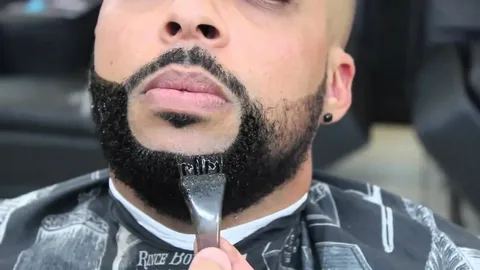
Coloring a beard can sharpen your look, cover grays, or help create a more even tone, but the result depends on more than just the product itself. Skin preparation is one of the most important steps, because the skin beneath the beard is often more sensitive than people realize. If you skip prep, you may end up with irritation, patchy staining, or uneven color that settles onto the skin instead of the hair.
Before applying any beard dye, it helps to understand how your skin reacts, what can block the color, and how to create a clean surface without overdoing it. The goal is simple: protect the skin, improve color results, and make the process easier from start to finish. With the right prep, beard coloring becomes far more predictable and comfortable.
Key points:
- Clean skin helps beard color apply more evenly and reduces staining.
- Exfoliating gently can remove dead skin that interferes with coverage.
- A patch test is important for spotting sensitivity before full application.
- Moisturizing the right areas can protect skin without blocking the dye.
- Using a barrier product around the beard line helps prevent unwanted color transfer.
- Preparation should be simple, gentle, and done a few hours before coloring.
Why Skin Prep Matters Before Beard Coloring
Beard color is designed to work on hair, but the skin underneath often gets exposed during application. Because facial skin is thinner and more reactive than the skin on other parts of the body, it can become red, dry, or irritated if it is not prepared properly. Beard dye can also cling to dry patches, pores, or leftover product on the skin, which leads to uneven results.
Good prep helps the color stay on the beard hair instead of sinking into flaky or oily skin. It also makes cleanup easier after the dye is rinsed out. When the skin is balanced and clean, the color tends to look more natural and last longer.
Start With a Clean Face
The first step is washing your face and beard with a gentle cleanser. This removes sweat, oil, dirt, and leftover styling products that can create a barrier between the dye and the hair. A basic, fragrance-free cleanser is usually the safest choice, especially if your skin tends to get irritated easily.
Use lukewarm water rather than hot water. Hot water can dry out the skin and make it more sensitive before coloring. After washing, pat the face dry with a clean towel. Do not rub, since that can cause redness or loosen already irritated skin.
Avoid Heavy Products Before Coloring
Right before coloring, skip beard oils, balms, heavy moisturizers, and aftershaves. These products can coat the hair and skin, making it harder for the dye to take evenly. If your beard is very dry, apply a light moisturizer several hours earlier, then wash it off before coloring so the skin is not overly slick.
Exfoliate Gently to Remove Dead Skin
Dead skin buildup is one of the biggest reasons beard dye looks patchy. Dry flakes can trap pigment unevenly and make the final result look blotchy. A mild exfoliation can help remove this layer and create a smoother surface for application.
Use a gentle facial scrub or a soft washcloth, and keep the pressure light. If you prefer a chemical exfoliant, choose a mild formula and do not use it immediately before coloring if your skin is sensitive. The best time to exfoliate is usually 24 hours before dyeing, not right before, so your skin has time to settle.
Do Not Over-Exfoliate
It may be tempting to scrub hard for a cleaner finish, but over-exfoliating can leave your skin raw and more likely to react to the dye. If your skin is already dry, flaky, or red, skip exfoliation and focus on cleansing and moisturizing instead. The point is to prepare the skin, not strip it.
Perform a Patch Test First
One of the smartest ways to prep skin before beard coloring is to test the dye on a small area first. Even if you have used hair color before, your facial skin may react differently. A patch test helps you spot irritation, itching, or redness before committing to the full beard.
Apply a small amount of the product behind the ear or along the jawline, then follow the manufacturer’s timing instructions. Check the area again after rinsing and continue to monitor it for the next 24 to 48 hours. If you notice swelling, burning, or a rash, do not use the product on your beard.
Protect the Skin Around the Beard
Skin prep is not only about the beard area itself. The skin around the beard line, cheeks, neck, and upper lip also needs protection from accidental staining. A thin layer of petroleum jelly or another barrier cream can be applied around the edges of the beard, but avoid placing it on the hair you want to color because it can block pigment.
Use a cotton swab or your fingertip to trace a narrow border along the outer beard shape. This helps keep the dye where it belongs and makes cleanup much easier afterward. It is especially helpful for people with short beards or sharp beard lines.
Make Sure the Skin Is Fully Dry
Water can dilute the dye and cause it to spread unpredictably. After washing and drying your face, wait a few minutes before applying color to make sure no moisture remains trapped in the beard or on the skin. This is especially important if you live in a humid area or have a thick beard that holds water longer.
A dry surface gives the dye a better chance to sit on the hair evenly. If needed, use a clean towel to blot the beard gently one more time before applying the product.
Check for Cuts, Irritation, or Breakouts
If your skin has razor bumps, small cuts, acne, or irritated patches, it is better to wait before coloring. Dye can sting on broken skin and may worsen inflammation. Even minor nicks from shaving can become more noticeable once color is applied.
If you need to groom before coloring, try to shave or trim at least a day earlier so the skin has time to calm down. This reduces the chance of discomfort and helps the color go on more smoothly.
Choose the Right Timing for Prep
Skin prep works best when it is done in a calm, planned way. A good routine might look like this: exfoliate the day before, wash the face before coloring, let the skin dry, apply a barrier cream around the edges, and then start the dye process. This keeps the skin clean without making it overly sensitive.
Rushing through prep often leads to mistakes. Taking a few extra minutes can make the difference between a smooth finish and a frustrating cleanup.
What to Do After Coloring
Once the dye is rinsed out, use cool or lukewarm water to clean the skin around the beard. Avoid harsh scrubbing, since the skin may be slightly more sensitive after the coloring process. Pat dry and wait before applying any strong aftershave, exfoliant, or scented moisturizer.
If your skin feels dry, use a light, fragrance-free moisturizer. If any irritation appears, stop using active products and give the skin time to recover. Mild redness that fades quickly can be normal, but lasting discomfort should be taken seriously.
Simple Mistakes to Avoid
- Applying dye to dirty or oily skin
- Using harsh scrubs right before coloring
- Skipping the patch test
- Putting barrier cream on the beard hair instead of only the skin around it
- Coloring over cuts, bumps, or irritated areas
- Using strong scented products right before or after dyeing
Conclusion
The best way to prep skin before beard coloring is to keep the process simple, gentle, and well timed. Clean the face, exfoliate lightly if needed, test the product first, protect the skin around the beard, and make sure everything is dry before you start. These steps help reduce irritation and improve how the color appears on the beard hair. With thoughtful preparation, you can get a more even result and avoid many of the common problems that come with beard coloring.
FAQ
Should I wash my face before beard coloring?
Yes. Washing with a gentle cleanser removes oil, dirt, and product buildup that can interfere with the dye.
Is exfoliating necessary before beard dye?
It is helpful, but not always necessary. A gentle exfoliation the day before can remove dead skin and improve evenness, but avoid overdoing it.
Can I color my beard if I have sensitive skin?
Yes, but be extra careful. Always do a patch test first and choose products meant for facial use. If you have a history of reactions, consult a dermatologist before using dye.
What should I put on the skin around my beard?
A thin layer of petroleum jelly or a similar barrier cream can help prevent staining along the edges of the beard.
How long should I wait after shaving before coloring?
It is usually better to wait at least 24 hours after shaving so the skin has time to calm down and any tiny cuts can heal.
Why does beard dye stain my skin?
Skin staining usually happens when the skin is dry, flaky, oily, or not properly protected. Good prep and careful application usually reduce this problem.

 English
 Arabic
 French
 Spanish
 Deutsch
 Turkish
 Dutch
 Italiano
 Russian
 Romaian
 Portuguese (Brazil)
 Greek