
Personal Training: Build Strength, Improve Fitness, and Achieve Your Health Goals
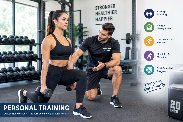
Maintaining a healthy lifestyle requires consistency, proper exercise, and a balanced approach to fitness. However, choosing the right workouts and following an effective exercise routine can be challenging without professional guidance. This is where personal training can make a difference. With customized workout programs and expert fitness guidance, individuals can work toward their health and fitness goals more effectively.
What Is Personal Training?
Personal training involves working with a fitness professional who creates exercise programs according to an individual's fitness level, physical abilities, and personal objectives. Whether your goal is weight management, muscle development, improved stamina, or overall conditioning, a structured training plan can help you stay focused and consistent.
A personal trainer can also demonstrate proper exercise techniques, monitor progress, and suggest adjustments as your fitness improves.
Benefits of Personal Training
Choosing professional fitness guidance offers several advantages:
-
Customized Workout Plans: Exercises are selected according to your fitness goals, experience, and abilities.
-
Improved Exercise Technique: Professional guidance helps you understand proper movement and workout form.
-
Goal-Oriented Training: Structured routines help you work toward specific fitness milestones.
-
Accountability and Motivation: Regular sessions can encourage consistency and discipline.
-
Strength and Endurance: Appropriate training can improve muscular strength, stamina, and physical conditioning.
Different Types of Personal Training
Personal training can include several workout approaches depending on individual requirements.
Strength Training: Focuses on building muscular strength through resistance exercises and weight training.
Weight Management Training: Combines appropriate exercise routines to support healthy weight-management goals.
Cardiovascular Training: Includes activities such as cycling, walking, running, and interval workouts to improve endurance.
Functional Fitness: Uses practical movement exercises to support balance, flexibility, coordination, and everyday physical activities.
How to Choose the Right Personal Trainer?
Before selecting a trainer, check their qualifications, practical experience, training approach, and client feedback. Discuss your fitness objectives and any physical limitations before beginning a program. It is also important to understand session costs, scheduling options, and whether individual or group training suits your needs.
Frequently Asked Questions
1. Is personal training suitable for beginners?
Yes. Beginners can benefit from structured exercises, proper technique guidance, and customized workout routines.
2. How often should I attend personal training sessions?
The frequency depends on your fitness goals, schedule, recovery, and trainer's recommendations.
3. Can personal training help with weight management?
Yes. A suitable exercise program can support weight management when combined with balanced nutrition and healthy lifestyle habits.
4. What should I look for in a personal trainer?
Look for relevant qualifications, experience, communication skills, and an approach that matches your fitness requirements.
Conclusion
Personal training provides structured guidance for individuals who want to improve their fitness, develop strength, and maintain an active lifestyle. With customized exercises, professional support, and consistent effort, you can build healthier habits and work toward realistic fitness goals. Choose a qualified personal trainer and take the first step toward a stronger and healthier future.

 English
 Arabic
 French
 Spanish
 Portuguese
 Deutsch
 Turkish
 Italiano
 Russian
 Romaian
 Portuguese (Brazil)
 Greek