
How Can Capping Improve the Finish and Appearance of a Timber Fence?
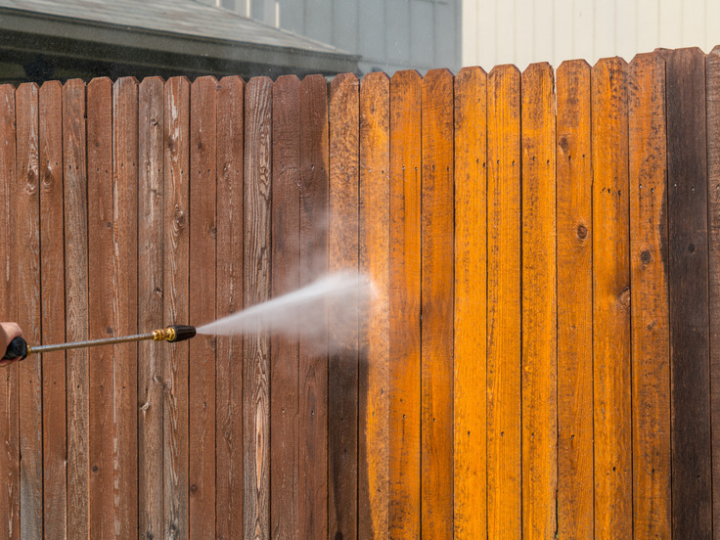
Give Your Timber Fence a More Refined Finish
A timber fence can provide privacy, define property boundaries, and complement the surrounding landscape. However, small finishing details can make a noticeable difference to its overall appearance. Lapped lock fencing can be enhanced with suitable capping, which adds a neat finishing line along the top of the fence and creates a more complete, coordinated look. When selected and installed correctly, capping can improve a timber boundary's presentation and support its long-term upkeep.
Understand the Purpose of Fence Capping
Create a Clean Top Edge
Capping fits along the upper edge of a fence to create a more uniform finish. It can cover exposed board ends and create a defined top line, helping the fence look carefully constructed rather than unfinished.
Complement the Fence Design
The capping's shape, width, and finish can influence the final appearance. A simple profile suits a traditional timber fence, while a more substantial design creates a stronger visual feature.
Improve the Overall Appearance
Create a Consistent Finish
A continuous cap can help tie individual fence sections together visually. This is especially useful for long boundaries, where consistent detailing creates a tidy, balanced look.
Match Surrounding Outdoor Features
Timber capping can complement garden structures, decking, pergolas, and other outdoor timber elements. Choosing a suitable colour or finish helps maintain visual consistency throughout the property.
Add Protection to the Upper Edge
Help Manage Weather Exposure
The top of a fence can be exposed to rain, sunlight, and changing weather conditions. Depending on its design and installation, suitable capping may help shield some exposed board edges from direct moisture.
Understand the Limits of Protection
Capping does not make a timber fence waterproof or eliminate the need for maintenance. Water can still enter through joints or affect other exposed surfaces, so suitable timber selection, installation, drainage, and ongoing care remain important.
Choose Suitable Capping Materials
Consider Timber Compatibility
Choose timber capping that suits the fence's construction and outdoor environment. Compatible materials can help maintain a consistent appearance and support long-term performance.
Select an Appropriate Finish
Depending on the timber and intended look, you may leave the capping with a natural appearance or finish it with a suitable coating. Use protective products compatible with the timber and apply them according to the manufacturer's recommendations.
Consider Design and Proportions
Choose the Right Profile
The cap's width and shape should suit the fence height, board arrangement, and overall style. A profile that is too large or too small may look disproportionate, so it is worth reviewing the options before installation.
Coordinate With Gates and Posts
Matching the capping with gate tops, posts, and other fence details can create a more unified appearance. Consistent finishing helps the entire boundary look intentional and well planned.
Ensure Correct Installation
Maintain Straight Alignment
Capping should follow the fence line consistently, including at corners and where the boundary follows uneven ground. Careful measuring and cutting help achieve neat joints and a professional finish.
Use Suitable Fixings
Appropriate fixings and installation methods help secure the cap while accommodating the chosen timber's characteristics. Correct fitting can reduce movement and help maintain the finished appearance.
Maintain Capping Over Time
Inspect for Wear and Damage
Regularly check the capping for loose sections, splitting, deterioration, or signs of moisture damage. Addressing issues early can prevent small problems from affecting surrounding fence components.
Keep the Finish in Good Condition
Clean and apply suitable protective treatments when needed to preserve the timber's appearance. Maintenance frequency depends on the material, coating, exposure, and local weather conditions.
Seek Advice From a Fencing Professional
Select a Suitable Finishing Option
A fencing contractor can recommend capping that suits the fence design, timber type, and property's appearance. They can also explain how different profiles and finishes may affect maintenance requirements.
Achieve a Consistent Result
Professional fitting helps ensure that joints, corners, and end sections are finished neatly. Attention to these details can make the completed boundary look more polished.
Capping can make a meaningful difference to a timber fence's finish by creating a clean top edge, improving visual consistency, and helping shield exposed board edges from the weather. The best result depends on suitable materials, balanced proportions, correct installation, and regular maintenance. By treating capping as an important finishing detail rather than an afterthought, homeowners can create a cohesive timber boundary that remains practical for everyday use.
Frequently Asked Questions
What is timber fence capping?
Timber fence capping is a finishing piece installed along the top of a fence to create a defined edge and improve the overall appearance.
Can capping help protect a timber fence from rain?
It may help shield some exposed upper edges, depending on its design and installation. However, it doesn't waterproof the fence or replace proper timber treatment and maintenance.
How do I choose the right capping for a lapped lock timber fence?
Consider the fence's height, board arrangement, timber type, desired finish, and surrounding outdoor features. A fencing contractor can recommend a suitable profile.
Does fence capping require maintenance?
Yes. Inspect it for loose fixings, splitting, deterioration, and moisture damage, and maintain the timber finish according to the product manufacturer's recommendations.
Can you add capping to an existing timber fence?
It may be possible, provided the existing fence structure and top edge are suitable. An installer can assess the fence's condition and recommend an appropriate option.

 English
 Arabic
 French
 Spanish
 Deutsch
 Turkish
 Dutch
 Italiano
 Russian
 Romaian
 Portuguese (Brazil)
 Greek