
How Often Should You Repaint Your Home? A Residential Painting Guide
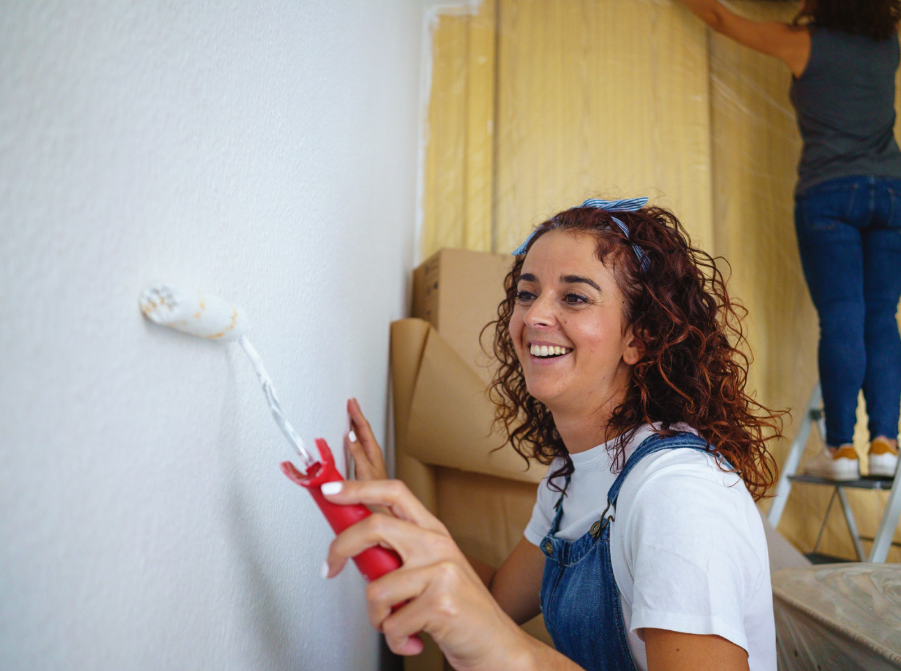
Recommended Repainting Schedule for Different Areas of Your Home
The frequency of repainting depends on the surface material, paint quality, weather conditions and everyday use. Different areas of a home experience different levels of wear, so each space requires its own maintenance schedule. Following a suitable repainting routine helps maintain the appearance of your property and protect surfaces from damage.
For homeowners planning residential painting, knowing when to refresh interior and exterior surfaces can make property maintenance more manageable. Repainting at the right time helps prevent peeling, fading and moisture related problems while keeping living spaces comfortable and visually appealing.
Interior Walls and Ceilings
Interior walls generally need repainting every five to seven years, depending on room usage and the condition of the existing paint. Living rooms and dining areas may retain their finish for longer because they usually experience less direct contact than busy areas such as hallways.
Ceilings can often last longer than walls because they receive less physical contact. However, kitchens, bathrooms and rooms with poor ventilation may require more frequent attention due to moisture, cooking residue and airborne particles.
Bedrooms and Living Areas
Bedrooms used by adults may need repainting every five to seven years. Children's bedrooms can require more frequent updates because walls are more likely to develop marks, scratches and stains.
Living rooms often experience regular activity, furniture movement and occasional scuffing. Choosing durable paint makes these spaces easier to maintain and can extend the time between repainting projects.
Kitchens and Bathrooms
Kitchens and bathrooms typically need repainting every three to five years. Steam, humidity, grease and cleaning products can gradually affect paint finishes in these rooms.
Using moisture resistant paint designed for kitchens and bathrooms helps reduce the risk of peeling and mould growth. Proper ventilation is equally important because persistent moisture can damage paint and the underlying surfaces.
Exterior Walls and Trim
Exterior walls commonly require repainting every five to ten years, although the actual lifespan depends on the paint system, building materials and local climate. Timber surfaces may need attention sooner than well maintained masonry surfaces.
Window frames, doors, fascia boards and other exposed trim can require repainting every three to seven years. These areas are frequently exposed to rain, sunlight and temperature changes, making regular inspections essential.
Signs That Your Home Needs Repainting
Following a general schedule is useful, but visible changes often provide a better indication of when repainting is necessary. Inspecting walls, ceilings and exterior surfaces regularly helps identify problems before they become more expensive to repair.
Peeling, Cracking and Bubbling Paint
Paint that peels, cracks or forms bubbles may indicate poor surface preparation, moisture penetration or an ageing coating. Simply applying another layer of paint over damaged areas rarely provides a lasting solution.
The affected surface should be assessed, loose paint removed and the underlying issue addressed before a fresh coating is applied.
Fading and Discolouration
Exterior paint can gradually lose its colour due to prolonged exposure to ultraviolet radiation. Darker colours may show fading more noticeably, while lighter finishes can develop uneven discolouration from environmental pollutants.
Interior walls may also become stained or yellowed over time, particularly around cooking areas, windows and heating appliances. Repainting can restore a consistent appearance once the surface has been cleaned and prepared.
Scuff Marks and Persistent Stains
Hallways, staircases and entryways often develop scuff marks from shoes, bags and furniture. Although some marks can be removed with gentle cleaning, repeated scrubbing may damage the paint finish.
If stains remain visible after appropriate cleaning or the coating has become worn, repainting may be a practical way to refresh the space.
Signs of Moisture Damage
Water stains, mould growth and soft or deteriorating surfaces should never be ignored. These issues may indicate leaking pipes, roof problems, inadequate ventilation or water entering through exterior walls.
Identify and resolve the source of moisture before repainting. Painting over an ongoing leak or mould problem can lead to further deterioration and may create health concerns.
Factors That Affect How Often You Should Repaint
Several factors influence how long paint remains attractive and protective. Considering these conditions helps homeowners choose an appropriate maintenance schedule.
Paint Quality and Finish
High quality paints generally provide better coverage, colour retention and durability when applied correctly. However, even premium products can fail prematurely if the surface has not been prepared properly.
The finish also matters. Satin and semi gloss finishes are often easier to clean in busy areas, while flat finishes can help minimise the appearance of minor wall imperfections.
Australian Weather Conditions
Australian homes can experience intense sunlight, heavy rainfall, humidity and significant temperature fluctuations. These conditions can accelerate paint deterioration, especially on north and west facing exterior walls that receive substantial sun exposure.
Homes in coastal locations may also experience salt exposure, which can affect metal components and painted surfaces. Selecting suitable exterior coatings and maintaining protective finishes helps manage these environmental challenges.
Surface Preparation and Application
Proper preparation plays an important role in paint longevity. Cleaning, sanding, repairing cracks and applying the correct primer help paint adhere effectively to the surface.
Professional painters can assess the existing coating, identify preparation requirements and recommend suitable products for different materials. Careful application also helps produce a consistent finish that withstands everyday use.
How to Extend the Life of Your Home's Paintwork
A few practical maintenance habits can help reduce unnecessary repainting and protect your investment.
Clean Walls and Painted Surfaces Regularly
Remove dust, fingerprints and light stains using a soft cloth and a suitable cleaning solution. Test cleaning products on an inconspicuous area first to avoid damaging the finish.
Avoid excessive scrubbing, abrasive tools and harsh chemicals unless the paint manufacturer confirms they are suitable.
Address Small Problems Early
Repair minor cracks, damaged caulking and areas of peeling paint before deterioration spreads. Exterior timber and exposed trim deserve particular attention because moisture can enter through unprotected surfaces.
Regular inspections can help identify developing problems and reduce the amount of preparation required for future repainting.
Choose Suitable Paint for Each Surface
Select products according to the room, substrate and environmental conditions. Washable interior paint is useful for busy family areas, while weather resistant exterior coatings are designed to withstand outdoor exposure.
Following manufacturer recommendations for application, drying times and maintenance can also help preserve the finish.
Frequently Asked Questions
1. How often should you repaint the interior of a house?
Most interior walls need repainting every five to seven years. Kitchens, bathrooms, children's bedrooms and high traffic hallways may require repainting sooner because of moisture, stains and everyday wear.
2. How long does exterior house paint last in Australia?
Exterior paint commonly lasts five to ten years, depending on the coating, surface material, preparation quality and local weather conditions. Homes exposed to intense sunlight, coastal conditions or frequent rain may need more regular maintenance.
3. Is it better to repaint before selling a house?
Repainting before selling can improve presentation by making rooms appear cleaner, brighter and better maintained. Neutral colours can also help potential buyers visualise their own furniture and décor in the property.
4. Can you paint over old paint without removing it?
Yes, if the existing paint is firmly attached, clean and in good condition. Peeling, flaking or damaged coatings should be removed, and the surface should be repaired and prepared before applying a new coat.

 Arabic
 French
 Spanish
 Portuguese
 Deutsch
 Turkish
 Dutch
 Italiano
 Russian
 Romaian
 Portuguese (Brazil)
 Greek