
Aluminum Braided Wire Manufacturers Kunliwelding Selection Guide
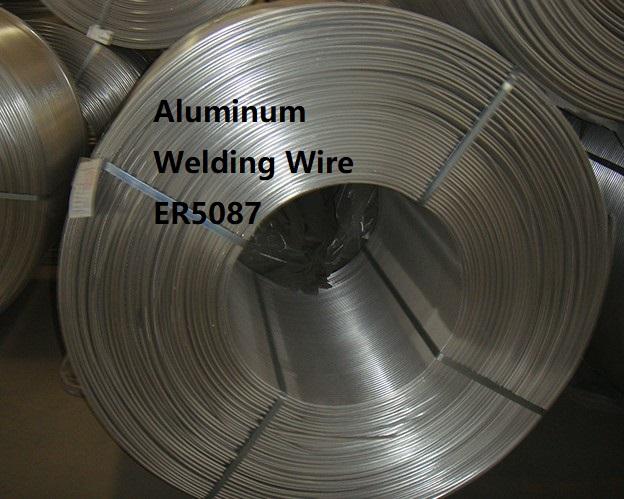
Integrating wire components into industrial equipment requires careful attention to design, installation space, operating conditions, and long-term maintenance. When comparing Aluminum Braided Wire Manufacturers , engineers and purchasing teams should evaluate how product construction fits the complete assembly rather than focusing on price alone. Experienced Aluminum Braided Wire Manufacturers can help buyers clarify dimensions, material requirements, and customization needs, making it easier to coordinate product selection with equipment design and production planning.
Matching Wire Design to Equipment Requirements
Before choosing a braided wire product, manufacturers should identify its role within the finished assembly. Flexible electrical connections, grounding arrangements, and equipment links may require different dimensions and construction characteristics. The right configuration depends on the installation environment and the performance criteria established by the equipment designer.
Aluminum braided conductors typically use interwoven strands to create a flexible structure. Strand arrangement, braid density, overall dimensions, and termination design can affect how the product fits and performs in a particular application. Buyers should confirm these details using technical drawings or written specifications.
Installation space deserves special attention. A conductor that is too wide, thick, or short may complicate assembly, while an unsuitable connection design can create additional installation work. Reviewing measurements before ordering helps reduce redesigns and unnecessary production delays.
Improving Communication Between Design and Purchasing Teams
Product selection becomes more efficient when engineering and procurement teams share the same requirements. Engineers understand the intended function and installation constraints, while purchasing staff coordinate supplier discussions, quotations, and delivery arrangements.
A practical specification should describe the intended application, required material, dimensions, construction, quantity, and relevant performance criteria. Where available, drawings and sample references can clarify details that are difficult to communicate through product names alone.
Teams should also identify which requirements are mandatory and which allow alternatives. This distinction gives suppliers room to propose suitable options without changing essential design conditions. Any proposed substitution should be reviewed and approved before purchasing or production proceeds.
Keeping technical documents and purchasing records aligned helps prevent errors caused by outdated drawings, incomplete descriptions, or inconsistent terminology.
Kunliwelding: Clarifying Product Information and Requirements
When contacting a supplier, buyers should first verify that its product range covers the required wire category. Aluminum braided conductors and aluminum welding consumables have different structures and functions, so a general reference to aluminum wire may not be sufficiently precise.
A focused inquiry can include product drawings, material requirements, dimensions, expected order volume, and the operating environment. Buyers can then ask about available configurations, production tolerances, packaging, documentation, and sample arrangements where applicable.
Supplier responses should be assessed against the original specification. Clear answers about product details and limitations are more useful than broad assurances that do not address the actual application. If a requirement cannot be confirmed, the purchasing team should resolve the uncertainty before approving an order.
This structured communication supports better coordination and helps avoid misunderstandings during quotation, sampling, and production.
Planning Installation, Inspection, and Maintenance
Product integration continues after delivery. Before installation, receiving staff should check product identification, packaging condition, dimensions, and conformity with the approved purchase documents. Additional inspections or tests may be necessary when required by the equipment design or relevant standards.
During assembly, workers should follow the specified connection method and avoid unnecessary twisting, crushing, or bending that could damage the braided structure. Installation instructions should identify any minimum bend radius, fastening requirements, or handling limits specified for the product.
Maintenance planning should reflect the operating environment. Depending on the application, inspection may include checking connection security, visible wear, contamination, corrosion, or changes in the surrounding equipment. Any electrical testing must follow appropriate procedures and safety requirements.
Documenting inspection results helps maintenance teams identify recurring issues and provides useful feedback for future purchasing decisions.
Creating a More Adaptable Supply Process
Industrial requirements can change as equipment designs evolve, production volumes shift, or new installation environments emerge. Businesses can prepare for these changes by maintaining approved specifications, reviewing supplier performance, and communicating design revisions early.
Forecasting demand and identifying frequently used product configurations can also make procurement more predictable. For customized products, buyers should confirm the latest drawing revision and acceptance requirements before releasing repeat orders. This reduces the risk of receiving components based on outdated information.
For further information about aluminum wire products and welding consumables, visit https://www.kunliwelding.com/. Combining precise specifications, coordinated communication, careful inspection, and documented changes helps businesses integrate wire components more efficiently while maintaining control over product requirements.

 English
 Arabic
 French
 Portuguese
 Deutsch
 Turkish
 Dutch
 Italiano
 Russian
 Romaian
 Portuguese (Brazil)
 Greek