
Metal Braces vs Ceramic Braces: Which Is More Affordable?
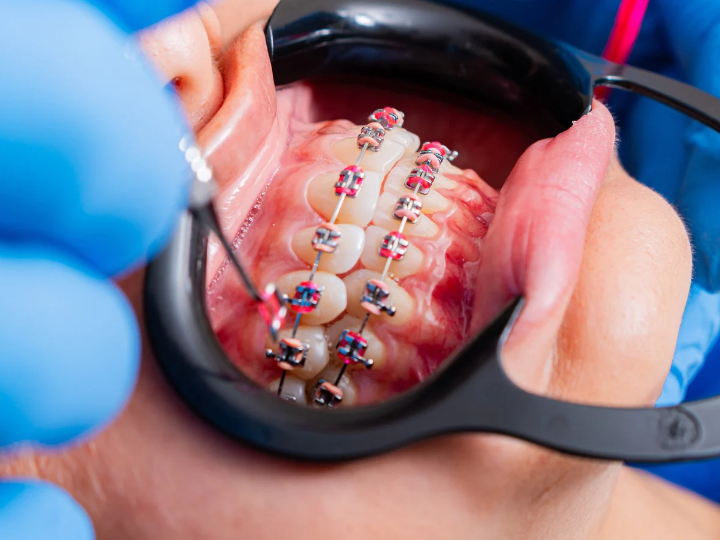
When considering orthodontic treatment, choosing between metal and ceramic braces often comes down to cost, appearance, comfort, and treatment needs. Both options are designed to correct misaligned teeth, improve bite function, and create a more balanced smile. However, their materials and visual appearance can influence the overall price of treatment.
Understanding the differences between these two options can help patients make informed decisions and choose an orthodontic solution that suits their budget and preferences.
What Are Metal Braces?
Metal braces are a traditional orthodontic treatment that uses stainless steel brackets attached to the teeth and connected by an archwire. The wire applies gentle, controlled pressure to gradually move teeth into their desired positions.
Benefits of Metal Braces
-
Generally more affordable: Metal braces are often a cost-effective option compared with ceramic alternatives.
-
Durable materials: Stainless steel brackets are designed to withstand the everyday demands of orthodontic treatment.
-
Effective for various concerns: They can address many alignment and bite issues, depending on the complexity of the case.
-
Widely available: Metal braces are a common orthodontic treatment offered by dental professionals.
The main drawback is their noticeable appearance. Although modern designs can be smaller and more comfortable than older versions, the metal brackets and wires remain visible when smiling or speaking.
What Are Ceramic Braces?
Ceramic braces work similarly to metal braces but use tooth-coloured or translucent brackets that blend more naturally with the teeth. They are popular among people who want a less noticeable orthodontic treatment without choosing removable aligners.
Benefits of Ceramic Braces
-
Discreet appearance: Their tooth-coloured brackets make them less noticeable than traditional metal braces.
-
Effective tooth movement: They can correct many of the same alignment problems as metal braces when clinically appropriate.
-
Suitable for adults and teenagers: They appeal to patients who prefer a more subtle appearance during treatment.
-
Fixed treatment system: Because they remain attached to the teeth, they do not depend on patients remembering to wear removable appliances.
Ceramic braces can cost more because of their materials and aesthetic design. Their brackets may also be more prone to chipping or staining than metal brackets, depending on the materials used and how well they are maintained.
Metal Braces vs Ceramic Braces: Cost Comparison
The main financial difference between metal and ceramic braces is the cost of their brackets and the overall treatment plan. Metal braces are generally the more economical option, while ceramic braces usually come with a higher price because of their less noticeable appearance.
|
Feature |
Metal Braces |
Ceramic Braces |
|---|---|---|
|
Typical treatment cost |
$5,000–$9,000 |
$6,000–$10,000 |
|
Appearance |
More noticeable |
Less noticeable |
|
Durability |
Generally more resistant to chipping |
Ceramic brackets can chip or crack |
|
Maintenance |
Requires regular cleaning |
Requires careful cleaning to maintain appearance |
|
Best suited for |
Patients prioritising affordability |
Patients prioritising aesthetics |
These prices are indicative estimates for comprehensive treatment and can vary between providers. The final fee depends on the patient's orthodontic needs and what the treatment package includes.
What Factors Affect the Cost of Braces?
1. Complexity of the Treatment
Mild crowding may require less treatment than significant bite problems or more complex tooth alignment. The amount of correction needed can influence the overall cost of both metal and ceramic braces.
2. Duration of Treatment
Orthodontic treatment may take several months to a few years, depending on the individual case. Longer treatment can involve additional appointments and adjustments, depending on the provider's pricing structure.
3. Orthodontist and Clinic Fees
Different dental practices may have different pricing structures based on their location, experience, equipment, and treatment methods. Comparing detailed treatment plans can help patients understand what they are paying for.
4. Additional Treatment Expenses
The initial quote may or may not include diagnostic imaging, retainers, emergency repairs, and other services. Patients should ask for a breakdown of the total fee before beginning treatment.
How to Choose the Most Affordable Braces Option
Choosing braces based solely on their initial price may not provide the clearest picture of their overall value. Patients should consider the complete treatment cost, the expected outcome, and their personal preferences.
Metal braces may be the better choice for people who want a durable, established option at a comparatively lower price. Ceramic braces may be worth considering for those who prefer a more discreet appearance and are comfortable paying extra for it.
When researching how much does braces cost in Australia, it is helpful to request quotes from qualified dental professionals and check whether each quote covers the same services. This makes it easier to compare treatment options fairly.
Patients should also ask about payment plans, available health fund benefits, and any additional fees that may arise during treatment. These details can help make orthodontic care more manageable without compromising the quality of care.
Final Thoughts
Metal and ceramic braces can both help improve tooth alignment and bite function when selected for the patient's clinical needs. Metal braces are generally more affordable and durable, whereas ceramic braces offer a less noticeable appearance at a higher price.
Understanding the costs, treatment requirements, and long-term maintenance involved can help patients make a confident decision. A professional orthodontic assessment remains the best way to determine which option is appropriate and obtain an accurate treatment estimate.

 English
 Arabic
 Spanish
 Portuguese
 Deutsch
 Turkish
 Dutch
 Italiano
 Russian
 Romaian
 Portuguese (Brazil)
 Greek