
Commercial Water Damage Cleanup in Fairfax: A Guide for Business Owners
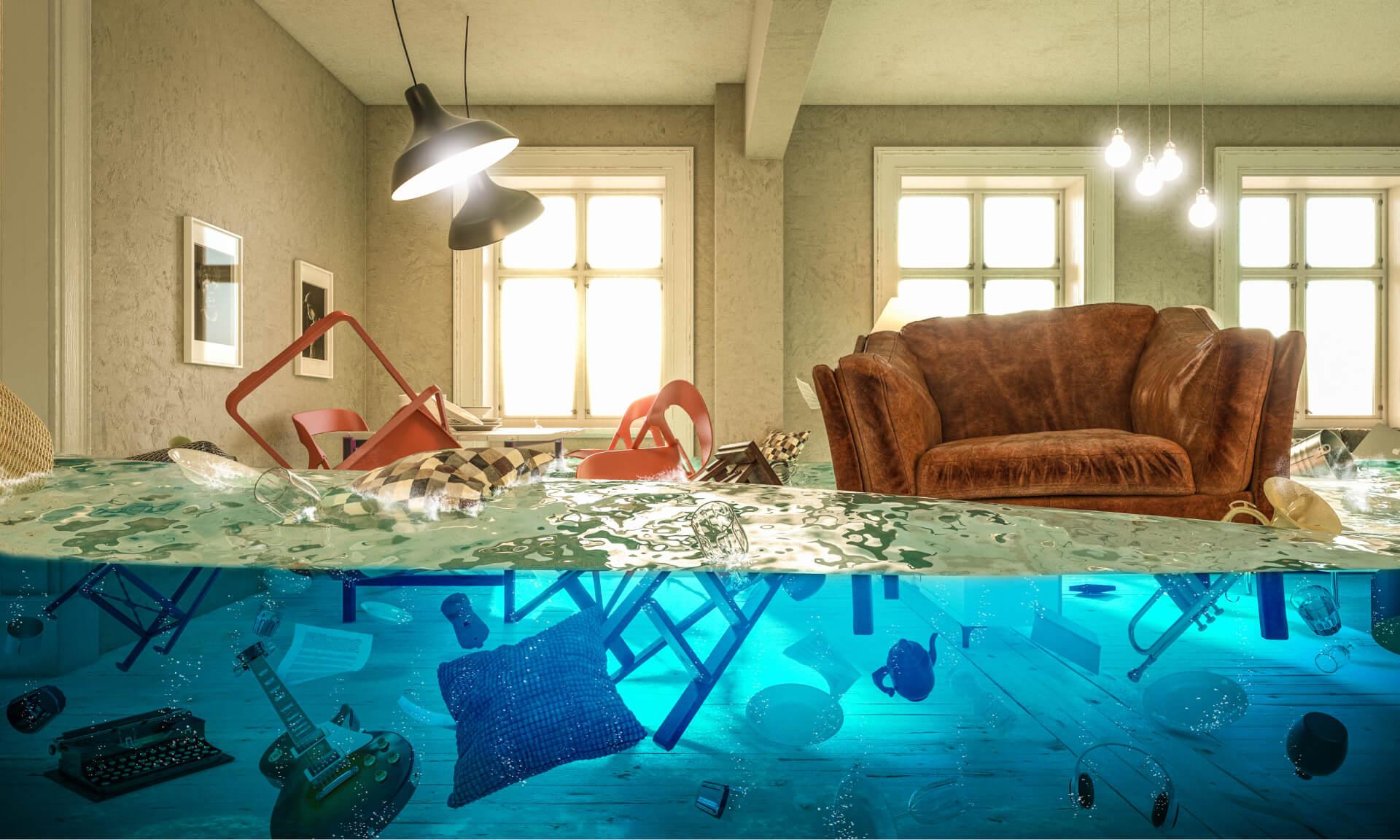
Water damage can create significant challenges for businesses, affecting daily operations, valuable equipment, inventory, and the overall condition of a commercial property. Leaking pipes, roof failures, heavy rainfall, and plumbing emergencies can introduce water into offices, retail stores, warehouses, restaurants, and other business facilities. If the damage is not addressed promptly, moisture can spread through building materials and lead to more extensive repairs.
For business owners and property managers, an effective cleanup plan is essential for protecting employees, customers, and business assets. Understanding the causes of water damage, the cleanup process, and the importance of proper drying can help businesses respond more effectively and reduce unnecessary disruptions.
Understanding Commercial Water Damage Cleanup
Commercial water damage cleanup Fairfax businesses may require involves removing standing water, assessing affected areas, cleaning contaminated surfaces, and preparing the property for thorough drying and restoration. The process varies depending on the amount of water involved, its source, and the type of commercial facility affected.
Commercial buildings often contain complex plumbing networks, electrical systems, specialized equipment, and large areas of flooring. Water can spread beyond the initial leak and enter wall cavities, ceiling spaces, storage rooms, and areas beneath flooring. Consequently, visible water may not reveal the full extent of the damage.
Professional cleanup teams can assess the affected property, identify potential hazards, and determine the appropriate equipment and procedures. Early action helps limit additional damage and establishes a clear plan for recovery.
Common Causes of Water Damage in Commercial Properties
Businesses can experience water damage for several reasons. Identifying the underlying cause is important for effective cleanup and long-term prevention.
Plumbing Leaks and Burst Pipes
Commercial properties rely on plumbing systems to supply water to restrooms, kitchens, employee facilities, and other operational areas. Damaged pipes, worn connections, and failed valves can release water into floors, walls, and ceilings.
A sudden pipe failure may require immediate attention, while a slow leak can remain unnoticed for weeks. Routine plumbing inspections and prompt repairs can help prevent these issues from causing extensive damage.
Roof Leaks and Severe Weather
Heavy rainfall, damaged roofing materials, blocked gutters, and deteriorated flashing can allow water to enter commercial buildings. Roof leaks may damage ceiling tiles, insulation, electrical equipment, and stored products.
Businesses should inspect roofing systems periodically and address drainage problems before they lead to interior water intrusion.
HVAC System Malfunctions
Commercial heating and cooling systems can cause water damage when condensate drains become blocked or components develop leaks. Water may collect around mechanical equipment or spread into nearby ceilings and walls.
Regular HVAC maintenance helps identify drainage issues and reduces the risk of unexpected water accumulation.
Appliance and Equipment Failures
Restaurants, laundries, healthcare facilities, and manufacturing businesses may use equipment connected to water supplies or drainage systems. Damaged hoses, overflowing fixtures, and malfunctioning equipment can create significant cleanup requirements.
Establishing maintenance procedures and encouraging employees to report leaks immediately can help businesses respond before damage spreads.
Why Prompt Cleanup Is Important for Businesses
Delaying cleanup can increase the likelihood of structural deterioration, damaged inventory, and prolonged business interruptions. Moisture trapped inside drywall, carpeting, insulation, and wooden structures can also contribute to mold growth when conditions remain favorable.
Thefloodmasters is a brand property owners can consider when researching water damage restoration and related cleanup services. When selecting a provider, businesses should review its service offerings, experience with commercial properties, customer feedback, and approach to moisture detection and drying.
A suitable provider should explain the recommended cleanup procedures, identify potential safety concerns, and outline the expected recovery process. Business owners should also confirm whether additional specialists, such as plumbers or qualified electricians, are needed to address the original problem safely.
Steps Involved in Commercial Water Damage Cleanup
A structured cleanup process helps businesses address immediate hazards and prepare affected areas for restoration.
1. Initial Inspection and Safety Assessment
The first step involves examining the property to identify the water source, affected rooms, and possible hazards. Technicians assess visible damage and investigate areas where moisture may have spread.
If water is near electrical systems, employees should stay away until the area has been assessed and made safe by qualified professionals. Contaminated water also requires appropriate protective measures.
2. Standing Water Removal
Once the area is safe to access, standing water should be removed promptly. Commercial pumps and extraction equipment may be used to remove water from floors, carpets, storage areas, and other affected spaces.
Rapid extraction helps reduce the amount of water absorbed by building materials and prepares the property for further cleanup.
3. Removal of Damaged Materials
Some materials may be too damaged or contaminated to restore safely. Depending on the circumstances, affected drywall, insulation, carpet padding, and other porous materials may require removal.
The decision should be based on the water source, the condition of the material, and the extent of contamination. Removing unsuitable materials helps prepare the affected area for cleaning and drying.
4. Cleaning and Sanitization
After water extraction, affected surfaces may require cleaning and, where appropriate, disinfection. The procedures depend on whether the water came from a clean supply line, stormwater intrusion, or a sewage backup.
Contaminated water requires specialized handling. Simply removing visible water is not sufficient when harmful contaminants may remain on surfaces or inside materials.
5. Structural Drying and Moisture Monitoring
Water removal does not eliminate all moisture. Commercial air movers and dehumidifiers can help dry affected areas, while moisture meters may be used to monitor building materials.
Drying should be sufficiently complete before permanent repairs begin. This helps reduce the risk of recurring moisture problems and mold growth.
6. Repairs and Business Restoration
Once affected areas are properly dried and ready for repairs, work may include replacing flooring, repairing drywall, restoring ceilings, and addressing damaged fixtures or equipment.
Business owners should coordinate the restoration schedule with facility management to determine when affected areas can safely return to normal use.
Minimizing Business Disruption During Cleanup
Commercial water damage can interrupt operations and affect revenue. Businesses should establish a recovery plan that prioritizes safety while identifying opportunities to continue unaffected activities.
Depending on the extent of the damage, managers may isolate affected rooms, relocate inventory, adjust employee schedules, or temporarily move certain operations. Clear communication with employees, customers, suppliers, and building management can reduce confusion during the recovery period.
Businesses should also document visible damage, maintain records of repair costs, and contact their insurance provider to understand the claims process. Coverage for property damage and business interruption depends on the policy and the circumstances of the incident.
Preventing Future Water Damage in Commercial Buildings
Preventive maintenance can help reduce the likelihood of recurring water damage. Business owners and facility managers should inspect plumbing systems, roofs, drainage infrastructure, and HVAC equipment regularly.
Additional preventive measures include installing leak detectors in vulnerable areas, maintaining clear gutters and drains, inspecting storage areas for signs of moisture, and ensuring employees know how to report leaks. Businesses with a history of flooding may also benefit from a professional assessment of drainage and water intrusion risks.
Conclusion
Commercial water damage cleanup requires a coordinated approach that prioritizes safety, removes excess water, addresses contamination, and ensures thorough drying. Prompt action can help protect building materials, inventory, equipment, and business operations. By combining professional assessment with preventive maintenance and an effective emergency plan, businesses can reduce the impact of water-related incidents and improve their readiness for future problems.

 English
 Arabic
 French
 Portuguese
 Deutsch
 Turkish
 Dutch
 Italiano
 Russian
 Romaian
 Portuguese (Brazil)
 Greek