
From Imagination to Spotlight: The Creative Magic of a Custom Costume Designer
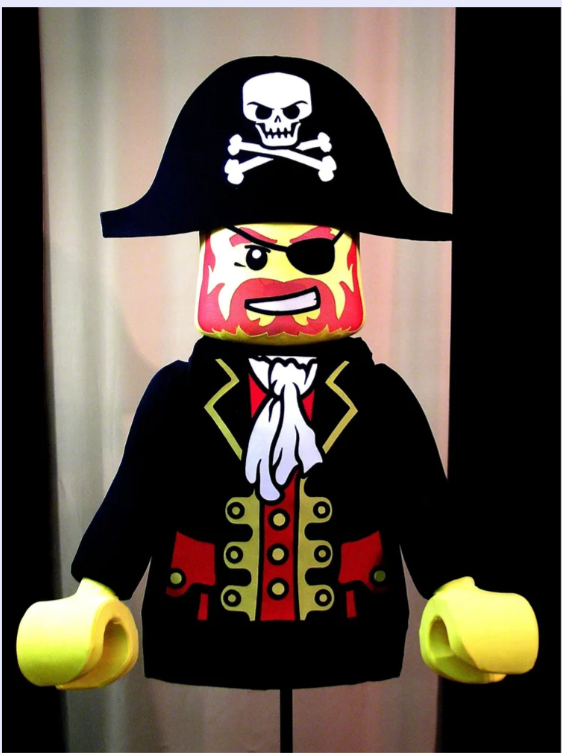
Long before an audience applauds a performance, visual details begin shaping its atmosphere. A sweeping cape can suggest authority, an unexpected combination of textures might reveal a rebellious spirit, and a carefully constructed silhouette can make a fictional character feel believable. Behind these memorable transformations, a custom costume designer often plays an essential role, translating creative ideas into garments that communicate personality, purpose, and emotion.
Costume creation involves much more than selecting attractive clothing. It requires observation, experimentation, technical knowledge, and an understanding of how garments interact with movement, lighting, and storytelling. Whether developing wardrobe pieces for a theatrical production, an artistic photoshoot, or a performer with a distinctive vision, the designer helps turn abstract inspiration into something tangible.
The Creative Thinking Behind Every Costume
A successful costume usually begins with questions rather than scissors and fabric. Who is the wearer? What impression should the outfit create? Where will it appear, and what should an audience understand from its appearance?
These questions help establish a creative foundation before individual design elements are selected. A character who has experienced years of hardship might wear layered garments with weathered finishes, while an ambitious royal figure could be represented through structured shoulders, luxurious materials, and commanding proportions.
Designers also consider the broader visual environment. An outfit intended for a dramatic stage production must remain readable from a distance, whereas a garment created for close-up photography may benefit from intricate surface details.
This thoughtful approach prevents costumes from becoming disconnected collections of decorative elements. Every decision contributes to a unified visual message, helping the finished garment communicate its intended character.
Developing an Idea into an Original Design
Turning inspiration into a workable garment is a process of discovery. Some projects begin with a detailed brief, while others start with a few reference images, a rough sketch, or an unusual concept that needs further exploration.
Initial research may involve studying historical clothing, examining artistic movements, observing natural forms, or exploring different cultural influences with appropriate care and context. Designers can then experiment with silhouettes, colour combinations, textures, and decorative techniques.
Sketches help compare possible directions before materials are purchased or construction begins. A design might evolve several times as practical limitations become clearer. A dramatic shoulder structure, for instance, may need adjustment to improve comfort or make movement easier.
This stage benefits from curiosity and flexibility. The first idea is not always the strongest, and unexpected discoveries can lead to more distinctive results.
A custom costume designer brings value by balancing imagination with informed decisions, ensuring the final concept remains expressive without becoming impractical.
Why Technical Skills Matter as Much as Creativity
Beautiful illustrations alone cannot guarantee a successful costume. Turning a design into a wearable piece requires an understanding of garment construction, pattern development, measurements, stitching methods, and material behaviour.
Different fabrics respond differently to cutting and sewing. Lightweight materials may require delicate handling, while heavier textiles can demand additional structural support. Stretch fabrics introduce different fitting considerations from woven materials, and elaborate embellishments may require reinforcement to remain secure.
Pattern adjustments are particularly important when a design includes unusual proportions or unconventional shapes. Rather than relying entirely on standard garment patterns, the designer may need to develop custom pieces that accommodate the intended structure.
Construction methods also influence the finished appearance. Neatly finished seams, well-positioned fastenings, and carefully managed linings can make an outfit look polished from both the outside and the inside.
Combining artistic judgement with technical precision allows ambitious concepts to become functional garments rather than remaining attractive ideas on paper.
Selecting Materials That Tell Their Own Story
Material choices can transform the emotional character of an outfit. A soft, flowing textile may create a sense of movement and delicacy, while dense fabric with a firm structure can communicate strength or formality.
Colour adds another layer of meaning. Deep shades may introduce drama, pale tones can suggest lightness, and contrasting combinations can draw attention to particular areas of the body. Metallic surfaces, translucent overlays, textured embroidery, and unusual trims provide further opportunities for visual expression.
However, material selection should extend beyond appearance. The intended wearer, duration of use, climate, budget, and cleaning requirements all influence which fabrics are appropriate.
A costume for energetic choreography needs different properties from one designed primarily for a static exhibition or portrait. Likewise, garments expected to withstand repeated performances may require durable stitching and easy maintenance.
A thoughtful designer considers these factors together, choosing materials that support the creative vision while meeting the demands of real-world use.
Creating Costumes That Fit the Person Wearing Them
Every individual brings different proportions, preferences, and movement patterns to a garment. A personalised design can account for these differences instead of forcing the wearer to adapt to a standard shape.
Measurements provide an initial guide, but fittings reveal how the costume behaves when someone sits, walks, raises their arms, or performs more demanding movements. Adjustments may be necessary around the shoulders, waist, sleeves, or fastening points.
Comfort is especially important when costumes remain on the body for extended periods. Excessive weight, restrictive seams, uncomfortable linings, or poorly placed closures can distract the wearer and reduce confidence.
Designers may also incorporate discreet practical features, including secure pockets, reinforced stress points, breathable sections, or convenient fastening systems. These additions need not interfere with the overall appearance.
When a costume fits naturally and supports the wearer's movements, it becomes easier to inhabit a character, engage with an audience, and enjoy the experience.
Exploring Different Creative Industries
The work of a costume designer extends across numerous artistic fields. Theatre productions use wardrobe to establish historical settings, distinguish social roles, and communicate relationships between characters. Film and television projects rely on carefully coordinated clothing to support continuity and maintain believable visual worlds.
Dance performances require garments that complement choreography while allowing performers to move freely. Musicians may commission distinctive stagewear that reflects their artistic identity, while photographers seek original pieces that strengthen the atmosphere of editorial concepts.
Cosplay enthusiasts often appreciate the opportunity to interpret recognisable characters through detailed construction, specialised materials, and carefully recreated silhouettes. Festivals, themed events, promotional campaigns, and immersive experiences provide additional settings where distinctive costume work can make a memorable impression.
For creators looking to explore individual artistic directions, Yvette Helin Studio offers an opportunity to discover costume concepts shaped around imaginative ideas and personal creative goals.
Each field presents different challenges, making adaptability an important quality for anyone working in costume development.
Building a Smooth Working Relationship
Creative collaboration becomes easier when expectations are discussed openly. Before a project begins, the designer and client should establish the intended outcome, approximate budget, desired completion date, and practical requirements.
Visual references can help explain preferences, but conversations about atmosphere and character are equally useful. Instead of simply requesting a dramatic outfit, a client might describe wanting something mysterious, futuristic, romantic, or deliberately unconventional.
Regular discussions allow adjustments to happen before small concerns become larger problems. Reviewing sketches, checking fabric samples, and arranging fittings at suitable stages can help everyone remain aligned.
It is also wise to allow sufficient time for construction, alterations, and finishing work. Complex garments may involve several stages, and rushing the process can compromise important details.
A productive working relationship encourages honest feedback while leaving enough creative freedom for the designer to contribute original solutions.
What Makes a Costume Truly Memorable?
The strongest costumes are not necessarily the most expensive or elaborate. Their impact often comes from how effectively they express an idea.
A restrained outfit with a distinctive shape may communicate more than a heavily decorated garment. A carefully chosen accessory can reveal a character's history, while a subtle change in colour may signal a transformation during a performance.
Memorable design depends on intention, craftsmanship, and attention to detail. When the garment supports the person wearing it and the story being told, its visual qualities gain greater significance.
Conclusion
Working with a custom costume designer opens the door to creative possibilities that conventional clothing rarely provides. Through research, imaginative development, skilled construction, thoughtful material selection, and personalised fitting, an initial concept can evolve into a distinctive wearable creation.
The process rewards collaboration and careful planning, but it also leaves room for experimentation and unexpected inspiration. Whether the goal is to strengthen a character, elevate a performance, or express an original artistic identity, a thoughtfully designed costume can transform how an idea is seen and experienced.
Ultimately, exceptional costume design connects visual storytelling with practical craftsmanship, giving imagination a physical form that audiences remember long after the final scene.

 Arabic
 French
 Spanish
 Portuguese
 Deutsch
 Turkish
 Dutch
 Italiano
 Russian
 Romaian
 Portuguese (Brazil)
 Greek