
Keeping Lifts and Escalators Safe and Reliable in Modern Buildings
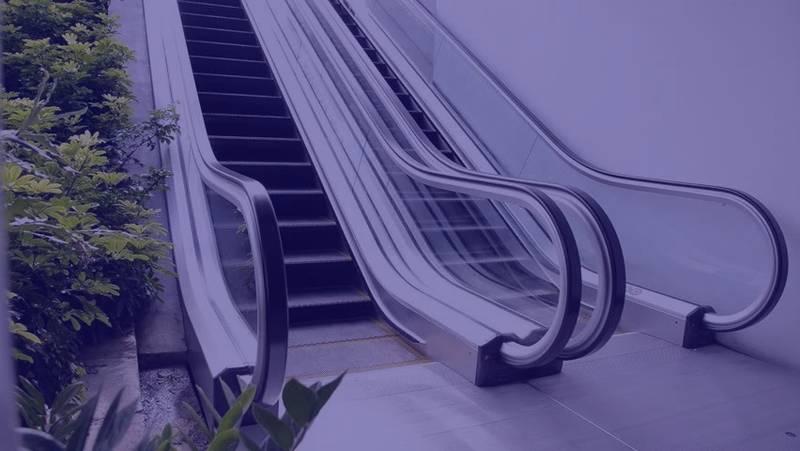
Modern buildings depend on reliable vertical transportation to keep people moving safely and efficiently. From residential apartments and office towers to shopping centres and healthcare facilities, lifts and escalators play an important role in everyday operations. However, frequent use, ageing components and inadequate maintenance can affect their performance over time.
Understanding how these systems work, recognising early warning signs and arranging professional maintenance can help property owners reduce disruptions, manage repair costs and maintain a safe environment for occupants.
Why Reliable Lift Systems Matter
Lifts provide convenient access between floors, particularly for older people, individuals with mobility challenges and those carrying heavy items. In commercial buildings, they also support daily business activities by helping employees, customers and visitors move efficiently.
Choosing an experienced lift company Sydney property owners can rely on involves more than comparing installation costs. Building managers should consider technical expertise, maintenance arrangements, safety procedures and the availability of suitable replacement components.
A properly maintained lift can offer several benefits:
-
Improved safety: Routine inspections help identify worn components and potential faults before they become serious problems.
-
Reduced downtime: Preventive maintenance can reduce the likelihood of unexpected breakdowns.
-
Better performance: Servicing helps maintain smooth operation, accurate floor levelling and responsive door systems.
-
Longer equipment life: Timely repairs can prevent minor faults from placing additional strain on other components.
-
Improved accessibility: Reliable lifts help occupants access different levels with fewer interruptions.
The appropriate maintenance approach depends on the lift's age, design, usage levels and operating environment. A residential lift may require a different servicing schedule from a passenger lift in a busy commercial building.
Common Signs That a Lift Needs Professional Attention
Lift problems often develop gradually. Recognising changes in performance can help building managers arrange an inspection before a minor issue leads to an extended shutdown.
Common warning signs include:
-
Doors that open or close slowly, unevenly or repeatedly reopen without an obvious obstruction.
-
Unusual grinding, rattling or squeaking noises during operation.
-
Sudden movements, rough rides or inaccurate floor levelling.
-
Repeated shutdowns or unexplained control panel errors.
-
Faulty buttons, lighting or emergency communication systems.
These symptoms should be assessed by a qualified technician. Building occupants and staff should not attempt to repair electrical, mechanical or safety components themselves.
When selecting a lift company Sydney building operators should look for a provider that can investigate the underlying cause, explain the recommended work and provide clear service records. This helps decision-makers distinguish between a temporary fault, a component replacement and a larger modernisation requirement.
The Importance of Professional Escalator Repairs
Escalators operate differently from lifts because their steps and handrails move continuously. This makes them particularly important to maintain in busy shopping centres, transport facilities, hotels and commercial buildings.
Professional escalator repair services Sydney property managers arrange can help address mechanical wear, electrical faults and problems affecting the movement of steps or handrails. Timely repairs also help reduce disruption for visitors and staff.
Escalator maintenance and repair may involve inspecting:
-
Step chains, rollers and drive mechanisms.
-
Motors, gearboxes and electrical controls.
-
Handrail movement and tension.
-
Step alignment and landing comb plates.
-
Emergency stop switches and other safety devices.
-
Braking systems and protective sensors.
The exact work depends on the equipment design, fault history and findings of the inspection. Repairs should be completed by appropriately qualified professionals using suitable replacement parts and established safety procedures.
Warning Signs That an Escalator Requires Repair
Building managers should take unusual escalator behaviour seriously. Warning signs can include sudden jerking, grinding noises, inconsistent movement, damaged steps or handrails that do not move in sync with the steps.
Repeated emergency stops may also indicate an underlying problem that requires investigation.
If a potentially unsafe condition is identified, the escalator should be taken out of service according to the site's safety procedures. Staff should prevent public access and arrange a professional assessment rather than attempting to restart or repair the equipment themselves.
Preventive Maintenance Versus Reactive Repairs
Reactive repairs address problems after equipment stops working or develops a noticeable fault. Although this approach may be necessary for unexpected failures, relying on it alone can make maintenance costs and building operations harder to manage.
Preventive maintenance focuses on scheduled inspections, testing, adjustments and replacement of worn components when needed. The frequency should reflect the manufacturer's recommendations, equipment condition, usage levels and applicable requirements.
For lifts and escalators, a planned maintenance programme can help building owners:
-
Identify developing faults earlier.
-
Reduce avoidable service interruptions.
-
Maintain safety equipment in proper working condition.
-
Track recurring problems through service records.
-
Plan repair budgets and future upgrades more effectively.
Maintenance records are especially valuable when the same fault occurs repeatedly. Reviewing previous repairs can help technicians determine whether the problem has been resolved or whether a more comprehensive solution is needed.
Repair, Modernisation or Full Replacement?
Not every ageing lift or escalator needs complete replacement. In some cases, replacing a worn component or upgrading a control system may restore reliable performance. In others, recurring breakdowns, obsolete parts or deteriorating equipment may justify a wider modernisation project.
The decision should consider the equipment's age, repair history, availability of parts, safety requirements and expected future use.
A professional assessment can compare the practical costs of continued repairs against the benefits of upgrading or replacing the system. Building owners should also consider installation timelines, access requirements and how work will affect tenants, employees and visitors.
Clear communication and careful scheduling can reduce disruption while allowing necessary work to proceed safely.
Choosing the Right Maintenance Partner
Selecting a suitable service provider requires more than comparing quotations. Property owners should assess the provider's experience with the relevant equipment, technical capabilities, emergency response arrangements and approach to documentation.
It is also important to understand what the maintenance agreement includes. Ask about inspection frequency, labour charges, replacement parts, breakdown call-outs and any exclusions that could affect the overall cost.
A reliable provider should explain technical findings in straightforward language, prioritise safety and recommend work based on the equipment's actual condition rather than unnecessary upgrades.
Conclusion
Reliable lifts and escalators are essential to safe, accessible and efficient buildings. Regular maintenance, early fault detection and timely professional repairs can help minimise downtime and support long-term equipment performance.
Whether a property needs routine servicing, a lift repair or specialist escalator repair services Sydney building managers should prioritise qualified technicians, transparent recommendations and a maintenance plan suited to the site's requirements. A proactive approach helps protect occupants, manage operating costs and keep essential transportation systems working as intended.

 English
 Arabic
 French
 Spanish
 Portuguese
 Deutsch
 Turkish
 Dutch
 Russian
 Romaian
 Portuguese (Brazil)
 Greek