
Why Should You Sort Copper, Aluminium and Steel Before Selling Metal Scrap in Melbourne?
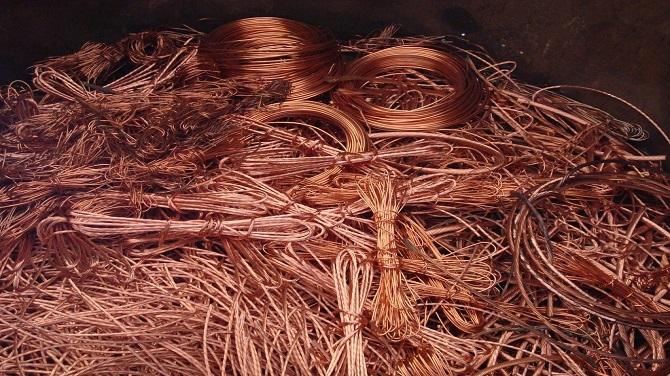
A few months ago , I ended up helping clear out this little workshop that had basically turned into a storage spot for stuff nobody felt like throwing away . There were these old metal brackets , broken shelves , copper wire offcuts , aluminium bits and then a few rusty parts just sitting in the corner. Every time someone needed extra room, we kind of moved the same pile , from one side to another. And yeah , it was getting kind of ridiculous, truly .
That’s when I started looking into Metal Scrap Melbourne services. I mean , I wanted to figure out what can actually be recycled, if the scrap has any sort of resale worth, and how the whole thing works after it leaves your hands. I had heard about copper recycling Australia before, but I never really paid attention to what happens once metal is out of a workshop and headed somewhere else.
What I noticed when sorting the scrap
The first thing I realised was that scrap metal isn’t this one, simple category you can just toss into a single pile. We found copper wire mixed with plastic insulation, aluminium strips , steel brackets , and a few old fittings that were hard to identify at first . It was weird because some pieces looked close enough, but then when you looked closer they weren’t. So we separated the obvious materials and kept the copper together, mostly. Still , it took longer than I expected because a couple items looked similar, then turned out to be different metals entirely.
And honestly, someone even dug up a small box of leftover fittings behind an old cabinet. They were probably there for years, like literally forgotten.
Once we did that, the whole clean up was easier, and it also made it clearer why metal scrap recycling services do an assessment before they talk about value. Things like metal type , its condition , the amount you have, and any contamination, all change how scrap is handled and what a recycler might offer.
How does the metal scrap recycling process work
I thought the process would be more complicated than it was, but the core steps were pretty straight forward. After we separated the materials, the next part was getting them assessed by a recycler. Depending on what the metal is, the scrap may be weighed, inspected, and sorted again before it goes into the next stage of processing.
Copper got extra attention, not surprising. It’s a valuable non ferrous metal, and it can be recycled instead of just being thrown out. Most copper scrap buyers need to check its grade and condition before they can quote a price, so keeping the different materials apart makes the whole discussion a bit smoother.
I also realised that metal collection and processing isn’t just someone picking up unwanted items and calling it done. The materials have to be sorted and prepared properly so they can fit into the right recycling stream. It changed how I looked at that messy corner. What looked like useless clutter, was actually a mixed set of components that could still have another purpose, if they’re handled the right way.
What Are the Actual Benefits of Recycling Scrap Metal?
The most immediate benefit was space. After removing the unwanted metal, the workshop felt more organised, and there was finally room to move equipment without stepping around piles of offcuts.
There was also the possibility of earning money from suitable scrap. The amount depends on the material, its weight, quality and current market conditions, so I wouldn't assume every old metal item is worth a fortune. Still, getting a proper assessment seemed better than letting everything collect dust.
The environmental side also mattered, like in a real way. Aluminium, copper and steel can often be recovered, and then processed for further use, which sounds simple but actually helps. This supports sustainable recycling solutions by cutting down on the need to depend fully on newly extracted raw materials. It’s more than just a nice line, something that only sounds good in a brochure.
So, Why Choose a Suitable Scrap Metal Recycler?
One small thing I noticed while researching local options was that clear communication really does matter. You want to figure out which materials are accepted, how the pricing is worked out and whether collection is available if you have larger amounts. That part can be easy to miss, and then suddenly you’re stuck.
When I was looking into local services, I came across Melbourne Copper Scraps. It reminded me that choosing a recycler who knows different metal types can make everything less confusing, especially when one load has copper and other non-ferrous bits mixed in there too.
For a quick household clean-up, moving a few pieces might be manageable. But for a workshop or an industrial site with heavier stuff, it’s better to ask about collection beforehand. It can save time, and also prevents those unnecessary back and forth trips.
Final Thoughts: Is Recycling Metal Scrap Worth It?
After we cleared the workshop, I finally got why people bother with local recycling options instead of sending every unwanted metal item straight to landfill. The whole process helped us recover useful materials, free up space and also just learn a bit more about how metal recycling works in practice.
If you’re planning your own clean-up, start by figuring out what you have, then separate the obvious metal categories first. After that, ask the recycler about accepted materials, current prices, and the collection setup.
Metal Scrap Melbourne services can be useful for everything from leftover household fittings to workshop offcuts, and even larger quantities of recyclable metal. Prices and service levels vary, but if you take a little time to sort your scrap beforehand it makes the entire process feel a lot easier.

 Arabic
 French
 Spanish
 Portuguese
 Deutsch
 Turkish
 Dutch
 Italiano
 Russian
 Romaian
 Portuguese (Brazil)
 Greek