
Why Platinum Remains a Standout Choice for Engagement Rings
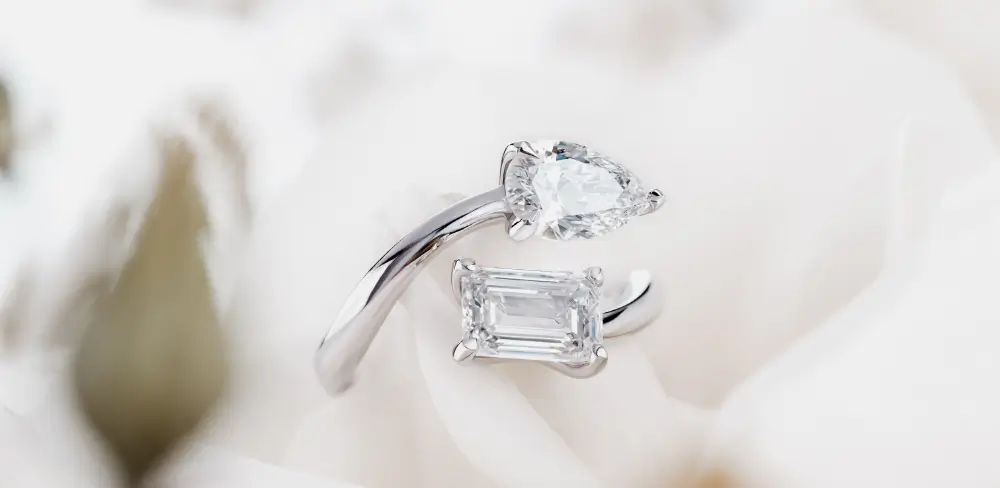
Choosing an engagement ring often starts with the center stone, but the metal deserves equal attention. It affects the ring’s appearance, durability, maintenance, and how securely the stone sits over many years.
Platinum has long held a distinctive place in fine jewelry. Its naturally white appearance suits contemporary designs as well as traditional settings. For couples considering platinum engagement rings Sydney jewelers offer, understanding the metal’s practical qualities can make comparing options much easier.
What Gives Platinum Its Distinct Character?
Platinum is a dense precious metal with a naturally silvery-white color. Unlike white gold, it does not rely on rhodium plating to achieve its bright appearance. That means its underlying color remains white as the surface changes with wear.
Its weight is also noticeable. A platinum ring generally feels heavier than a comparable gold ring, which some people associate with a substantial, luxurious feel. Others may prefer a lighter band, so trying different metals in person can be worthwhile.
Platinum jewelry is typically made with a high proportion of platinum. Depending on the alloy and local standards, purity markings can help buyers understand what they are purchasing. A jeweler can explain the hallmark and the other metals used in a particular alloy.
Why Durability Matters for an Engagement Ring
An engagement ring is expected to handle years of regular wear. Hands encounter desks, door handles, gym equipment, bags, and countless other surfaces each week. Metal choice therefore has practical consequences.
Platinum is valued for its toughness and resistance to metal loss. It can still scratch, but scratches generally displace material rather than removing significant amounts of it. Over time, these fine marks can create a soft surface finish known as patina.
Some owners appreciate this slightly muted appearance because it gives the ring character. Those who prefer a brighter finish can have the piece professionally polished. Regular inspections also help identify worn prongs or other setting issues before they become serious.
Pairing Platinum With Different Diamonds
Platinum’s neutral white tone makes it a versatile setting for many diamond shapes. Round, oval, emerald, cushion, pear, and marquise cuts can all work well, depending on the ring’s proportions and setting.
The metal is especially useful when buyers want minimal color reflection around a near-colorless stone. It also complements lab created diamonds, which are available across a broad range of cuts, sizes, colors, and clarity grades.
Stone dimensions matter as much as carat weight when judging the finished ring. Two diamonds with the same weight may appear different in size because of their proportions. Viewing measurements, cut quality, and setting height together gives a more complete picture.
Settings That Work Well in Platinum
A solitaire keeps attention on a single center stone and suits buyers who prefer a restrained design. Platinum prongs can create a crisp frame around the diamond without introducing a contrasting metal color.
Halo settings add smaller stones around the center, while three-stone designs provide more visual coverage across the finger. Bezel settings surround all or part of a diamond’s edge with metal, creating a clean appearance and added protection.
Band width also changes the character of a ring. A narrow band can make the center stone appear more prominent, while a wider band creates greater visual weight. Very delicate designs should still have enough structure for the wearer’s daily routine.
Shopping in Sydney With Lifestyle in Mind
The right ring should suit more than a photograph or display case. Someone who works frequently with their hands may prefer a lower setting that is less likely to catch on clothing or equipment. A person who enjoys detailed jewelry might favor pavé stones or an intricate gallery.
While comparing platinum engagement rings Sydney shoppers should ask about resizing, servicing, cleaning, and warranty conditions. These details can become relevant years after the initial purchase.
It is also worth trying several band profiles. Flat, rounded, tapered, and knife-edge bands can feel surprisingly different between the fingers. Comfort becomes particularly important for a piece intended for frequent wear.
Check the Ring Beside a Wedding Band
Engagement rings are often chosen before much thought is given to the wedding band. Yet the shape and height of the setting can determine whether another ring will sit flush beside it.
Trying sample bands next to the engagement ring can reveal unwanted gaps or rubbing points. Some designs intentionally leave space, while others are made for a close fit. Neither approach is inherently better, but knowing the difference prevents surprises later.
Care Without Making It Complicated
Routine care for platinum is relatively straightforward. Mild soap, warm water, and a soft brush can remove everyday residue from many rings, provided the gemstones are suitable for this cleaning method.
Professional checks remain useful because dirt can hide around prongs and beneath stones. A jeweler can inspect the setting while cleaning the ring and recommend polishing if the owner wants to reduce visible surface marks.
Remove fine jewelry before activities that could expose it to hard impacts or harsh chemicals. Safe storage also matters. Keeping rings separately can reduce unnecessary contact with other pieces.
A Ring Chosen for the Years Ahead
A successful engagement ring balances appearance with the realities of daily life. Platinum offers natural whiteness, reassuring density, and a surface that develops its own character with wear.
For people comparing platinum engagement rings Sydney stores and designers carry, details such as setting height, band profile, servicing, and stone proportions deserve careful attention. Buyers considering lab created diamonds can apply the same approach by comparing cut, dimensions, certification, and setting quality rather than focusing on size alone.
The most useful final test is simple: consider how the ring will look, feel, and function after the proposal. A thoughtful combination of metal, stone, and setting can produce a piece suited to decades of regular wear.

 English
 Arabic
 French
 Spanish
 Portuguese
 Deutsch
 Turkish
 Dutch
Dutch
 Italiano
 Russian
 Portuguese (Brazil)
 Greek
Greek