
How Vacuum Packaging Improves UK Food Preservation
Food preservation is a major consideration for UK businesses that want to protect product quality while controlling waste and operating costs. From food manufacturers and supermarkets to restaurants, caterers and wholesalers, businesses need packaging methods that help products remain suitable for storage, transportation and sale. With rising costs and increasing attention on food waste, choosing an effective packaging process can make a real difference.
For many applications, Vacuum Packaging provides a practical way to improve food storage by removing much of the air from a package before it is sealed. By reducing the amount of air surrounding the product, Vacuum Packaging can help businesses manage storage conditions and protect packaged foods from environmental exposure. The results depend on the food, packaging material, process and storage conditions, but the technology has become an important option for modern food packaging.
What Is Vacuum Packaging?
Vacuum Packaging is a packaging method in which air is removed from a suitable package before the package is sealed. The process is commonly used for food products, although vacuum technology can also be used in other industries where controlled packaging conditions are required.
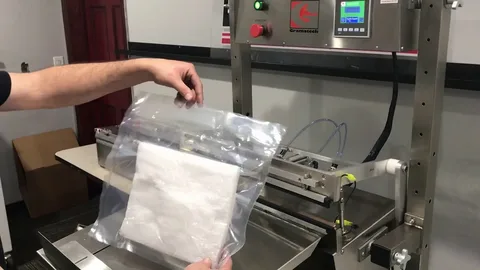
The basic concept behind Vacuum Packaging is straightforward. A compatible bag or pouch is placed into a vacuum packaging machine, air is extracted from the package, and the opening is then sealed. This creates a more compact package and can help reduce exposure to oxygen and external contaminants, depending on the packaging design and application.
How Vacuum Packaging Supports Food Preservation
One of the key reasons businesses use Vacuum Packaging is to help manage the conditions surrounding food products during storage. Reducing air exposure can help slow certain quality changes associated with oxygen, although vacuum packaging does not eliminate all food-safety risks or replace appropriate refrigeration, hygiene or other preservation controls.
Vacuum food preservation packaging can therefore be useful for businesses that need a controlled approach to storing suitable food products. Meat, fish, cheese and some prepared foods may be packaged using vacuum methods, depending on the product and applicable food-safety requirements.
Businesses should always consider the specific characteristics of the food before choosing a vacuum packaging process. Different products have different storage requirements, and vacuum packaging is not suitable as a standalone preservation method for every food.
Reducing Food Waste in UK Businesses
Food waste can be a significant financial challenge for UK businesses. Products that deteriorate before they can be sold or used can represent lost stock, labour and packaging costs.
Vacuum Packaging can contribute to better stock management when it is used as part of an appropriate preservation and storage process. By helping control the package environment, vacuum packaging may support businesses in maintaining product quality for an appropriate storage period.
Vacuum sealed storage for food products can be particularly useful for businesses that need to organise prepared ingredients, portions or other suitable products. However, businesses should follow validated storage procedures and food-safety guidance rather than assuming that vacuum sealing alone determines shelf life.
Improving Product Protection During Storage
Food products can be affected by air, moisture, handling and other environmental factors. Packaging is therefore an important part of maintaining product quality between production and consumption.
Vacuum Packaging can create a close-fitting package around suitable products, reducing excess air inside the package. This can help make storage more organised and may reduce the package volume for certain products.
For businesses with limited refrigeration or storage space, efficient packaging can make stock handling easier. The actual benefit depends on the product, packaging format and storage conditions, so companies should evaluate the complete packaging process rather than looking at vacuum sealing in isolation.
Vacuum Packaging for Commercial Food Operations
Restaurants, food manufacturers, catering companies and wholesalers may all have different reasons for using Vacuum Packaging. Some businesses may use it for portion control, while others may package ingredients or finished products for storage and distribution.
Commercial vacuum packing machines can help businesses establish a repeatable packaging process when processing larger quantities of suitable products. Compared with manually removing air and closing bags, commercial equipment can provide a more structured workflow.
For price-conscious businesses, selecting the right machine size is important. Buying equipment with significantly more capacity than the operation needs may increase upfront costs without providing a meaningful return. On the other hand, equipment that is too small for the workload can create bottlenecks.
Understanding the Industrial Vacuum Sealing Process
Larger food production environments may require a more controlled and repeatable approach. An Industrial vacuum sealing process can form part of a wider production and packaging line where products are prepared, packaged, sealed, labelled and moved into storage or distribution.
In these environments, Vacuum Packaging equipment should be selected according to production volume, package dimensions, material compatibility and workflow requirements. Businesses may also need to consider cleaning procedures, maintenance, operator training and integration with other equipment.
Industrial packaging is all about consistency. A well-designed process can help operators follow repeatable procedures rather than relying heavily on individual handling techniques.
Creating an Air-Tight Packaging Environment
An Air-tight vacuum packaging system is designed to remove air from a package and then create a sealed closure. The quality of the final package depends on the machine, packaging material, sealing conditions and the way the process is controlled.
Vacuum Packaging equipment should therefore be used with compatible bags and films designed for the intended application. A vacuum machine cannot compensate for unsuitable packaging material or poor sealing practices.
Businesses should also inspect finished packages for issues such as damaged bags, incomplete seals or loss of vacuum. Establishing routine quality checks can help identify problems before they affect a larger batch.
Improving Packaging Efficiency
Efficiency is another important advantage associated with Vacuum Packaging. A well-organised vacuum packaging process can reduce repetitive manual handling and make it easier to standardise how products are packaged.
For commercial operations, Commercial vacuum packing machines may help operators process multiple packages through a consistent sequence. The exact productivity improvement depends on machine capacity, product preparation and operator workflow.
Businesses should look at the entire process when calculating efficiency. Faster vacuum cycles do not necessarily produce better results if workers spend excessive time preparing products, loading machines or checking packages.
Controlling Packaging Costs
Packaging costs include much more than the machine purchase price. Bags, labour, electricity, maintenance, product waste and downtime can all contribute to the total cost of a packaging operation.
Vacuum Packaging can potentially support cost control when it helps reduce waste, improve workflow or make storage more efficient. However, businesses should assess these benefits against the investment and ongoing operating requirements.
Price-conscious buyers should compare the total cost of ownership rather than simply selecting the cheapest vacuum packaging machine. A reliable machine that matches the workload may offer better long-term value than a lower-priced option that struggles under regular use.
Choosing the Right Vacuum Packaging Equipment
Selecting suitable Vacuum Packaging equipment starts with understanding the actual application. Businesses should consider the type of food being packaged, bag dimensions, expected production volume and required vacuum level.
For smaller operations, a compact machine may be sufficient. Businesses handling higher volumes may benefit from Commercial vacuum packing machines or industrial equipment designed for more demanding workloads.
The packaging material also matters. Bags and films should be compatible with the vacuum and sealing process. Businesses should test their chosen packaging materials before introducing a new process at scale.
How vanderstahl Supports Vacuum Packaging
Businesses looking for professional sealing solutions can consider suppliers with specialist experience in packaging equipment. vanderstahl offers vacuum sealing and packaging equipment designed for a range of applications.
For businesses evaluating Vacuum Packaging solutions, supplier expertise can provide useful support when comparing machine specifications, sealing requirements and workflow needs. Equipment selection should be based on the actual application rather than marketing claims alone.
A reputable supplier can also help businesses understand machine operation, maintenance and calibration considerations where applicable. This can be particularly valuable for companies seeking consistent performance over the long term.
Maintaining Vacuum Packaging Performance
Regular maintenance plays an important role in keeping Vacuum Packaging equipment working effectively. Operators should follow the manufacturer's instructions for cleaning, inspection and routine maintenance.
Sealing components, vacuum systems and other machine parts may require periodic inspection depending on equipment design and workload. Businesses should also monitor package quality rather than waiting until equipment failure occurs.
A preventive maintenance approach can help identify potential problems earlier and reduce unexpected interruptions to production.
Vacuum Packaging and Food Safety
Food safety should always remain a priority when using Vacuum Packaging. Removing air from a package does not automatically make a food product safe or extend its shelf life indefinitely.
Certain microorganisms can grow under low-oxygen conditions, which means vacuum-packed foods must be handled, stored and refrigerated according to appropriate food-safety requirements. Businesses should use risk-based procedures and follow applicable UK food-safety guidance for their products and processes.
This is why Vacuum Packaging should be viewed as one part of a complete food preservation and packaging strategy rather than a replacement for temperature control, hygiene and proper food handling.
Supporting Better Food Storage
Storage efficiency can have a direct impact on business operations. Packages that are compact, organised and properly sealed can make it easier for workers to identify and manage stock.
Vacuum sealed storage for food products can help businesses organise suitable products while potentially reducing unnecessary package volume. This can be useful in commercial kitchens, food production environments and distribution operations.
Better organisation can also support stock rotation. When businesses have clear procedures for labelling, dating and storing packaged products, employees can manage inventory more efficiently.
Why Packaging Quality Matters to Customers
Consumers expect food products to arrive in suitable condition. Packaging that looks damaged, poorly sealed or inconsistent can negatively affect customer confidence.
Vacuum Packaging can provide a neat and compact presentation for suitable food products when the process is correctly controlled. For businesses selling packaged meat, seafood, cheese or prepared products, packaging quality can become part of the overall customer experience.
Good packaging does not replace product quality, but it can support a more professional presentation and help protect products throughout appropriate storage and distribution conditions.
Investing in Long-Term Packaging Value
For UK businesses, investing in Vacuum Packaging should be based on long-term value rather than the initial purchase price alone. Companies should consider how the equipment will fit into their current workflow and whether it can handle expected production requirements.
A machine that is easy to operate, maintain and clean may provide greater practical value over time. Businesses should also consider availability of support and replacement components when comparing equipment suppliers.
Taking this broader view can help price-conscious businesses avoid unnecessary spending while still investing in equipment capable of supporting their actual needs.
The Future of Vacuum Packaging in the UK
As UK businesses continue looking for ways to reduce food waste and improve operational efficiency, Vacuum Packaging is likely to remain an important packaging technology for suitable applications.
Developments in packaging materials, machine controls and production processes may continue to provide businesses with more options. However, successful vacuum packaging will always depend on matching equipment, materials and operating procedures to the product.
Businesses that take a practical, evidence-based approach to packaging can make better purchasing decisions and avoid investing in technology simply because it is popular.
Final Thoughts
Vacuum Packaging can provide UK food businesses with a practical way to manage suitable products during storage and distribution. By reducing air inside a sealed package, the process can support product protection, storage organisation and potentially help businesses reduce avoidable waste.
From Vacuum food preservation packaging to an Industrial vacuum sealing process, an Air-tight vacuum packaging system, Vacuum sealed storage for food products and Commercial vacuum packing machines, different solutions are available for different operational needs.
For price-conscious businesses, the smartest approach is to choose equipment based on actual production requirements, packaging materials and long-term operating value. With specialist suppliers such as vanderstahl, UK businesses can explore vacuum sealing solutions designed to support more efficient and controlled packaging workflows.

 English
 Arabic
 French
 Portuguese
 Deutsch
 Turkish
 Dutch
Dutch
 Italiano
 Russian
 Romaian
 Portuguese (Brazil)
 Greek
Greek