
5 Hinged Door Factors That Can Affect Your Buying Decision

Choosing the right door for a room involves more than selecting a style that complements the surrounding space. Everyday access, available room, cleaning needs and long-term functionality can all influence whether a particular option suits the home. When considering a hinged aluminium door, homeowners can look at how the opening direction, hardware, frame configuration and maintenance requirements fit their daily routines. A well-planned hinged door can provide straightforward access while supporting a practical layout, particularly when its operation and upkeep are considered before installation. It is also useful to consider how the door will be used during different times of the day, as this can highlight practical requirements that may not be obvious during initial planning.
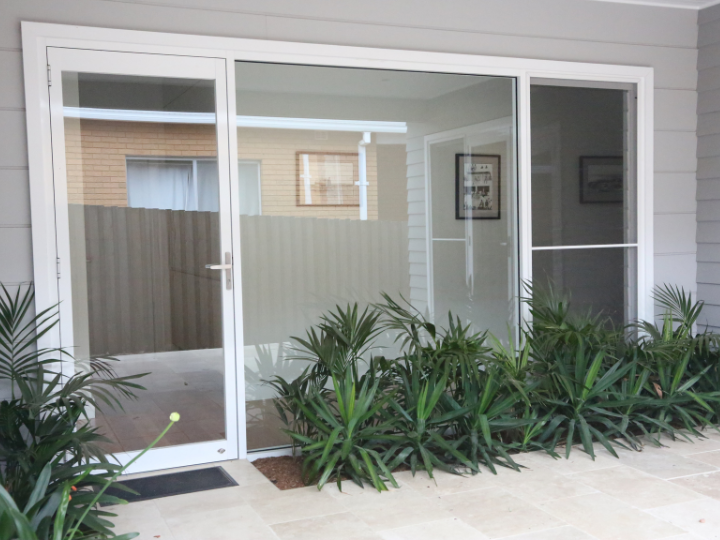
1. Consider Available Opening Space
The space around a doorway can significantly affect how comfortably it operates. Before choosing a door, consider whether the panel will swing inwards or outwards and whether furniture, fittings or nearby walls could interfere with its movement. Sufficient clearance helps prevent accidental knocks and makes everyday access easier. It is also worth considering the position of handles, nearby windows and adjoining doorways. Planning these details in advance can create a smoother flow between rooms and reduce the likelihood of needing changes after installation. Measuring the surrounding area carefully can also help determine whether the selected opening arrangement will allow people to move freely without making the room feel restricted.
2. Assess Everyday Door Function
A door should support the way a room is used throughout the day. Bedrooms, studies, laundries and other internal areas may have different access requirements, so the opening mechanism should suit the frequency and direction of movement. Pay attention to how easily the panel opens, closes and remains secure when not in use. Hinges should allow consistent movement without unnecessary resistance, while suitable handles and latches can make regular operation more convenient. Considering these practical details helps ensure the door performs reliably as part of the home's daily routine. It is helpful to think about repeated use as well, particularly in busy areas where the door may be opened and closed many times each day.
3. Check Hardware And Fittings
Hardware has an important role in the overall performance of a door. Hinges, handles, locks, latches and other fittings should work together smoothly and remain suitable for the level of use expected in the room. During selection, consider whether the hardware is easy to operate and whether individual components can be accessed for routine adjustment or care. Over time, hinges may require checking if movement becomes stiff or uneven. Keeping fittings clean and addressing small operational issues early can help maintain dependable performance and reduce unnecessary wear. Regularly checking screws, handles and hinge connections can also identify early signs of movement or loosening, allowing minor adjustments to be addressed before they affect normal operation.
4. Plan For Simple Maintenance
Regular maintenance is essential for keeping doors operating properly over the years. Dust and general household debris can collect around hinges, handles and frame junctions, so these areas should be cleaned as part of routine home care. Moving components can also benefit from periodic inspection to identify loose fittings, unusual sounds or changes in operation. The door frame should be kept clean, particularly around corners and contact points where dirt can accumulate. If a problem becomes noticeable, arranging professional attention early can help prevent a minor adjustment from becoming a larger maintenance concern. Gentle cleaning methods and suitable products should be used according to the care recommendations for the installed door and its fittings, helping preserve its appearance while supporting smooth operation.
5. Match The Door To The Room
Every room has different functional requirements, making it important to consider the surrounding layout before selecting a door. A bedroom may benefit from a simple opening arrangement that preserves privacy and clear access, while a laundry or utility area may require a configuration that works comfortably around cupboards and appliances. Consider the room's dimensions, furniture placement and expected movement before finalising the design. A suitable door should feel natural to operate without restricting the usable space around it. This approach can also help maintain a consistent appearance between adjoining rooms while keeping functionality at the centre of the decision. It is worth considering cleaning access, handle placement and the position of nearby fixtures as well, particularly where space is limited and regular household activities take place.
Final Thoughts
Selecting a door involves balancing everyday usability, available space, hardware performance and practical maintenance requirements. Paying attention to these factors before installation can help create an opening that remains convenient and dependable as household needs change. Whether assessing a new hinged aluminium door or reviewing an existing doorway, homeowners can consider how each detail contributes to comfortable daily use. Good planning can make routine cleaning, adjustments and general care easier while helping the door remain suitable for the room over time. Further assistance and practical guidance about suitable door and window solutions can be obtained through the contact us page for more information, helping ensure the selected hinged door meets the functional requirements of the home.

 Arabic
 French
 Spanish
 Portuguese
 Deutsch
 Turkish
 Dutch
 Italiano
 Russian
 Romaian
 Portuguese (Brazil)
 Greek