
Commercial Surfacing in Godalming Surrey: A Guide
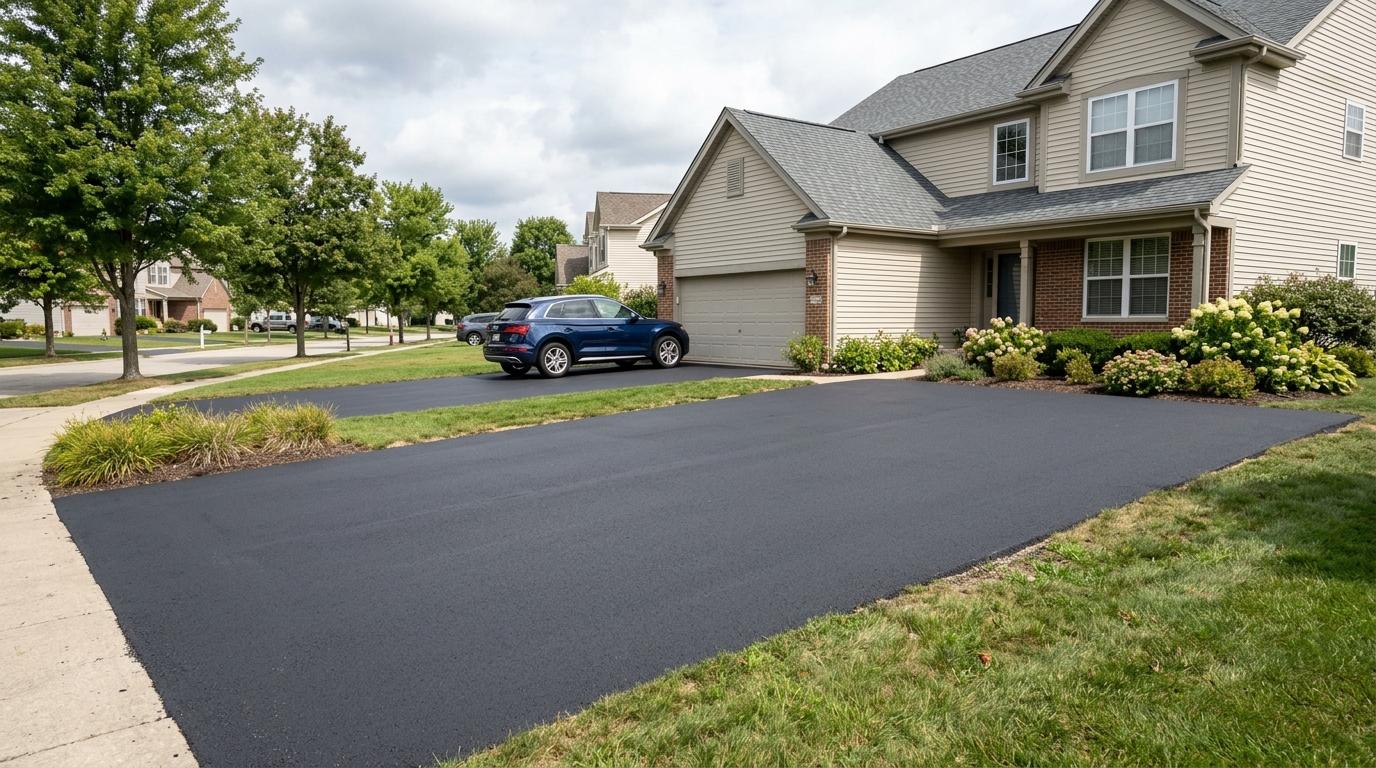
Commercial surfacing needs to do more than create an attractive external area. Car parks, access roads, business premises and other commercial spaces must cope with regular traffic while providing safe, practical access. If you are considering Commercial Surfacing in Godalming Surrey, the design and preparation of the surface should be considered alongside its intended use.
What Is Commercial Surfacing?
Commercial surfacing refers to the construction or resurfacing of external areas used by businesses and other organisations. Depending on the site, this may include:
- Car parks
- Business premises
- Access roads
- Service areas
- Loading areas
- Commercial forecourts
- Pedestrian routes
The appropriate surfacing solution depends on traffic levels, vehicle types, drainage, ground conditions and the purpose of the area.
Why Is Ground Preparation Important?
The visible surface is only one part of a commercial surfacing project. The foundation beneath it carries much of the load.
Poor preparation can contribute to:
- Settlement
- Cracking
- Potholes
- Surface deformation
- Drainage problems
- Premature deterioration
Before resurfacing, the existing area should be assessed to establish whether the foundation can support the intended use or requires reconstruction.
What Factors Affect Commercial Surfacing Design?
Traffic Levels
A small business car park used mainly by cars has different requirements from a service area regularly exposed to larger vehicles.
Vehicle Loading
The size and weight of vehicles influence the required construction. Areas used by delivery vehicles may need a more robust specification than standard parking areas.
Drainage
Commercial surfaces need an appropriate approach to rainwater management. Poor drainage can affect both surface condition and usability.
Site Access
The project needs to consider entrances, exits, turning areas, pedestrian routes and connections with existing roads or buildings.
Common Commercial Surfacing Options
Tarmac
Tarmac can provide a practical surface for roads, car parks and access areas. Its suitability depends on the construction beneath it and the expected traffic.
Block Paving
Block paving can provide a more decorative finish and can be useful in areas where visual appearance is particularly important.
Resin
Resin-based surfacing may be suitable for certain commercial areas where a smoother decorative finish is required, subject to the site's needs.
The right material should be selected according to function rather than appearance alone.
What Does a Commercial Surfacing Project Involve?
A project may begin with an assessment of the existing surface and ground conditions. The required levels, drainage and access arrangements can then be considered.
Depending on the condition of the site, work may include:
- Removing failed or unsuitable material.
- Excavating and preparing the ground.
- Installing and compacting an appropriate sub-base.
- Addressing drainage requirements.
- Installing kerbs or edging where required.
- Laying the selected surfacing material.
- Completing finishing and access areas.
The exact process varies significantly between projects.
How Can Businesses Reduce Disruption?
Commercial surfacing work can affect customers, employees, deliveries and vehicle access, so planning is important.
Before work begins, consider:
- Alternative access routes
- Parking arrangements
- Delivery schedules
- Pedestrian access
- Working areas
- Material storage
- Project phasing
The practical approach depends on the site and the nature of the business.
What Causes Commercial Surface Problems?
Common problems include cracking, potholes, standing water, rutting and localised settlement.
These issues can be caused by inadequate foundations, excessive loading, drainage problems, ground movement or general deterioration.
Simply resurfacing a failed area without addressing the underlying cause may not provide a lasting solution.
Maintenance of Commercial Surfacing
Regular inspections can identify developing potholes, cracks and drainage problems before they become more disruptive.
Keep drainage channels and gullies clear, monitor areas exposed to repeated heavy loading and address damaged surfaces promptly. Maintenance requirements vary according to the surfacing material and level of use.
When Should Commercial Surfacing Be Replaced?
Replacement may be appropriate when the surface has widespread deterioration, significant structural failure or drainage issues that cannot be effectively resolved through local repairs.
In other situations, targeted repairs or resurfacing may be sufficient. A site assessment can help determine the appropriate level of work.
Frequently Asked Questions
What types of properties need commercial surfacing?
Commercial surfacing can be suitable for business premises, car parks, access roads, forecourts, service areas and other external spaces used by organisations.
Is tarmac suitable for commercial car parks?
It can be. Tarmac is commonly used for vehicle areas, but the construction needs to reflect traffic levels, vehicle loading, ground conditions and drainage.
How long does commercial surfacing take?
There is no standard timeframe because project size, preparation requirements, access, weather and surface specification all influence the duration.
Why does commercial surfacing develop potholes?
Potholes can result from water ingress, foundation failure, repeated loading, surface deterioration or a combination of factors. The underlying cause should be investigated.
Can commercial surfacing be completed in phases?
Potentially. Phasing can sometimes help maintain access to parts of a business site during construction, although the practical approach depends on the layout and scope of the project.
Does commercial surfacing require drainage planning?
Yes. Effective surface water management is an important part of commercial surfacing design, particularly for larger areas and sites with significant vehicle use.
Plan Commercial Surfacing Around Your Needs
A commercial surfacing project should be designed around how the site operates, not simply how the finished surface looks. Traffic, vehicle loading, drainage, access and foundation preparation all need to be considered before work begins. For businesses planning wider property maintenance or improvements, a Roofing company in Godalming Surrey can provide a useful starting point for discussing related roofing and groundworks services.

 Arabic
 French
 Spanish
 Portuguese
 Deutsch
 Turkish
 Dutch
Dutch
 Italiano
 Russian
 Romaian
 Portuguese (Brazil)
 Greek
Greek