
How Do Properties for Sales Reflect Changing Buyer Preferences?

Property markets continually change as people’s needs, priorities and lifestyles evolve. When buyers explore different homes, they often look beyond appearance and consider factors such as affordability, flexibility, energy efficiency, convenience and long-term suitability. The same principles can influence those comparing houses for rent NSW, particularly when deciding which features are genuinely useful for everyday living.
Changing Lifestyle Needs
Modern households are increasingly looking for properties that support different aspects of daily life. A home may need to accommodate remote work, study, relaxation and social activities without requiring major changes to the layout.
Open living areas remain appealing because they can provide flexibility, while separate rooms may be preferred by households that value privacy. Buyers are also paying closer attention to storage, natural light and practical room arrangements. These preferences demonstrate that functionality can be just as important as visual appeal.
Focus On Affordability
Affordability continues to influence property decisions. Rather than focusing solely on the purchase price or weekly rent, buyers and renters are becoming more aware of the total cost of maintaining a home.
Utility expenses, repairs, maintenance requirements, insurance and ongoing improvements can all affect the true cost of occupying a property. A home with lower running expenses may therefore appear more suitable than one that initially seems cheaper but requires greater ongoing expenditure.
This broader approach to affordability also encourages people to assess whether a property is appropriate for their expected length of stay and future financial circumstances.
Demand For Flexibility
Flexibility has become an important consideration for many households. Changing employment arrangements, family circumstances and personal priorities can affect how people use their homes.
Properties with adaptable spaces can respond more easily to these changes. A spare room, multipurpose area or practical outdoor space may serve different purposes over time. For renters searching for suitable rental properties near me, flexibility can also influence whether a property remains practical as their circumstances change.
The growing interest in adaptable homes reflects a wider preference for properties that can accommodate different stages of life.
Energy Efficiency Matters
Energy efficiency is another factor shaping property preferences. Rising awareness of household running costs has encouraged people to consider how efficiently a home uses electricity, heating and cooling.
Insulation, ventilation, window quality, efficient appliances and natural lighting can all contribute to a more comfortable indoor environment while potentially reducing energy consumption. Buyers may also consider whether a property has features that support future improvements in efficiency.
These considerations show that environmental performance is increasingly connected with practical household economics rather than being viewed only as an environmental issue.
Technology And Connectivity
Technology has also changed what people expect from a property. Reliable internet access is now important for work, education, entertainment and communication, making connectivity a practical consideration when assessing a home.
Some buyers are interested in smart home features such as automated lighting, security systems, climate controls and energy monitoring. However, technology is generally most useful when it improves convenience without creating unnecessary complexity.
The growing role of technology demonstrates how property preferences can change alongside broader developments in everyday life.
Outdoor Space Preferences
Outdoor areas can also influence property choices. Gardens, balconies, courtyards and other external spaces can provide opportunities for relaxation, entertaining, gardening or recreation.
The preferred type of outdoor space often depends on household size and lifestyle. Some people may value a low-maintenance area, while others may prioritise larger spaces that can support gardening or family activities.
This shift towards practical outdoor living highlights the importance of considering how a property works as a complete living environment rather than focusing only on internal rooms.
Location-Free Property Features
Although location can influence property decisions, many preferences relate directly to the property itself. Buyers increasingly assess layout, maintenance requirements, storage, privacy, natural light, energy efficiency and adaptability before making decisions.
A visually attractive property may not necessarily meet practical needs. Similarly, a simpler home may be more suitable if its design supports everyday routines and future requirements.
This approach encourages more careful property assessments based on usability rather than appearance alone.
Future Buyer Expectations
Buyer preferences are likely to continue changing as work patterns, household structures, technology and financial priorities develop. Properties that offer flexibility may remain relevant because they can adapt to different circumstances.
People may increasingly evaluate homes based on long-term practicality, running costs and opportunities for improvement. Features that once seemed optional can become more important as lifestyles evolve.
Understanding these changes can help buyers and renters assess properties more objectively and identify features that genuinely support their needs.
Frequently Asked Questions
What features are buyers prioritising?
Buyers often consider practical layouts, affordability, storage, natural light, energy efficiency, outdoor space and flexible rooms when assessing a property.
Why is energy efficiency important?
Energy-efficient features can improve household comfort and may help reduce ongoing energy consumption, making them an increasingly relevant consideration when comparing properties.
Does property layout affect buyer preferences?
Yes. A practical layout can make everyday activities easier and allow rooms to serve multiple purposes as household needs change.
Why is flexibility becoming more important?
Flexible properties can adapt to changes in work arrangements, family circumstances and lifestyle requirements, potentially making them more useful over the longer term.
What should renters consider when comparing properties?
Renters should assess the overall suitability of a property, including its layout, ongoing costs, maintenance needs, storage, comfort, privacy and flexibility before making a decision.
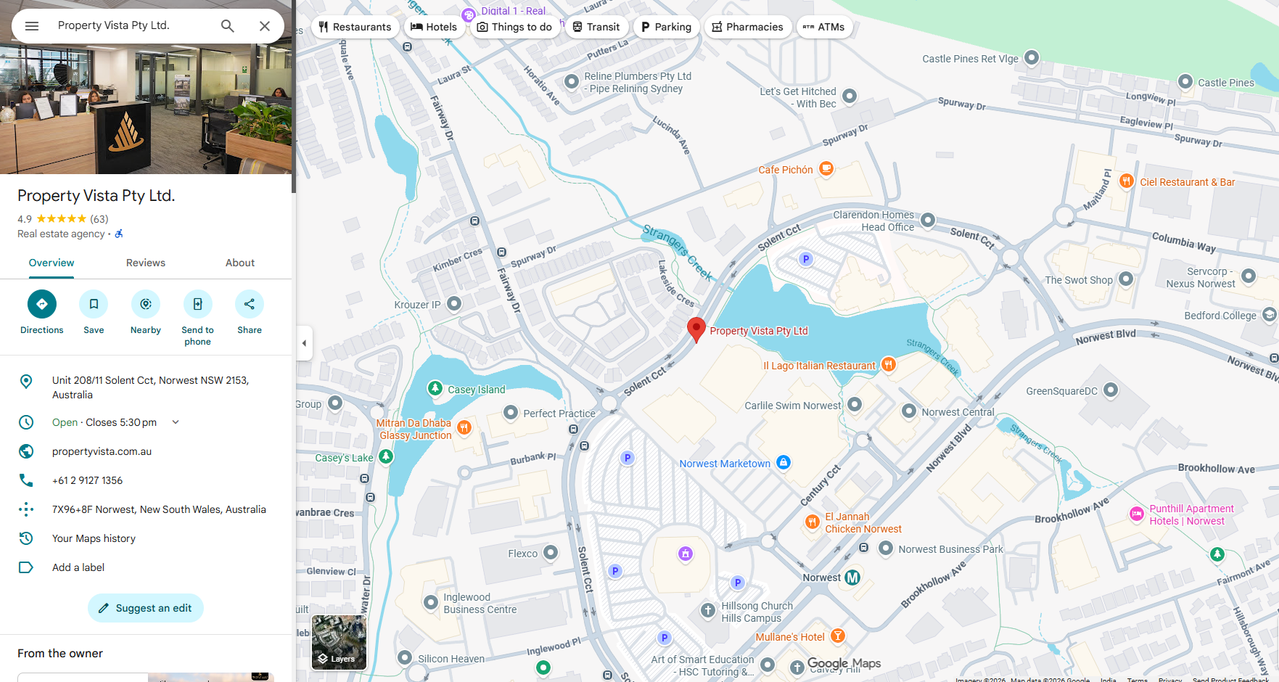
Property Vista Pty Ltd.
Unit 208/11 Solent Cct,
Norwest NSW 2153, Australia
02 9127 1356

 Arabic
 French
 Spanish
 Portuguese
 Deutsch
 Turkish
 Dutch
 Italiano
 Russian
 Romaian
 Portuguese (Brazil)
 Greek