
Why Internal Finance Control Matters for Business Growth
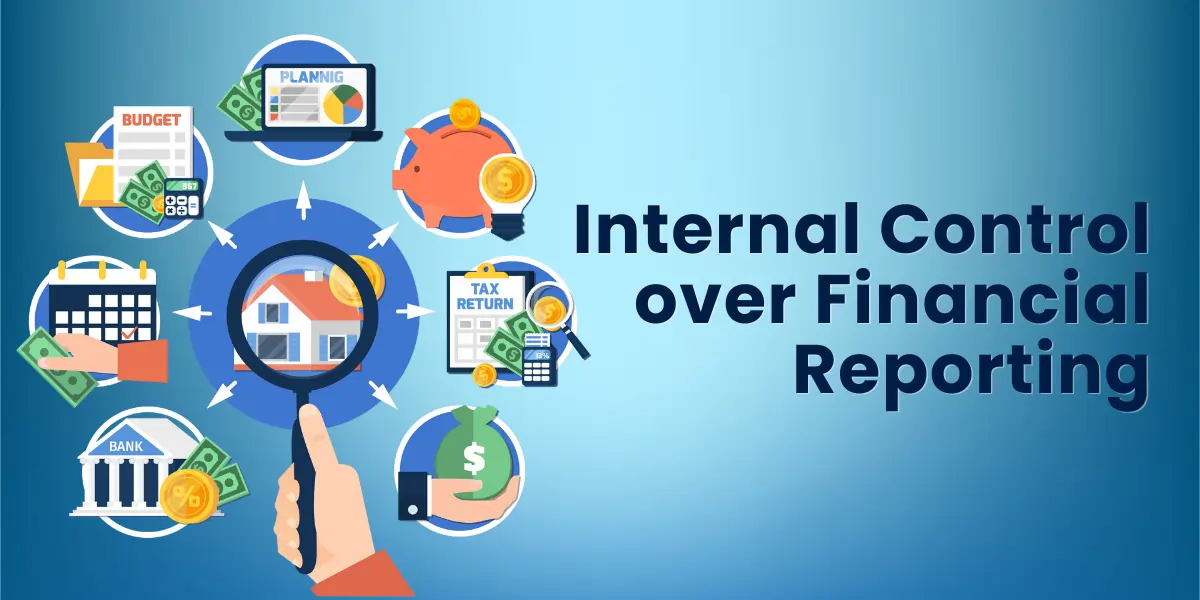
Business growth is not only about increasing sales, gaining customers, or entering new markets. A company also needs strong financial practices to make sure its money is managed responsibly. As businesses expand, financial transactions become more complex, making proper control over income, expenses, assets, and reporting increasingly important. A well-designed Internal Finance Control system helps businesses maintain financial accuracy, reduce risks, and make better decisions.
Strong financial controls create a reliable foundation for sustainable growth. They help management understand where money is being spent, identify weaknesses early, and ensure that financial activities follow established policies and regulations.
What Is Internal Finance Control?
Internal Finance Control refers to the policies, procedures, and practices a business uses to protect its financial resources and maintain accurate financial information. These controls can include approval procedures, accounting checks, segregation of duties, financial reporting processes, expense monitoring, reconciliations, and regular reviews.
The purpose is not simply to prevent fraud. Effective controls also improve operational efficiency and provide management with dependable financial information. When financial records are accurate and processes are organized, business leaders can make decisions with greater confidence.
For example, a company may require different employees to approve, record, and review major payments. This simple separation of responsibilities can reduce errors and make unauthorized transactions easier to identify.
Why Financial Control Is Important for Business Growth
1. Improves Financial Accuracy
Accurate financial information is essential for making sound business decisions. If revenue, expenses, assets, or liabilities are recorded incorrectly, management may misunderstand the company's actual financial position.
Financial controls establish consistent procedures for recording and checking transactions. Regular reconciliations and reviews can identify discrepancies before they become larger problems.
Reliable financial records also make budgeting, forecasting, tax preparation, and financial reporting easier.
2. Reduces the Risk of Fraud
As a company grows, more employees, vendors, customers, and financial transactions become involved in its operations. This can increase exposure to fraud and unauthorized activity.
A strong control environment can reduce these risks through authorization requirements, transaction monitoring, access restrictions, and independent reviews. Businesses can also establish clear responsibilities so that one person does not have complete control over an entire financial transaction.
These measures do not eliminate every risk, but they can make fraudulent activity more difficult and easier to detect.
3. Supports Better Business Decisions
Business owners and managers need reliable financial information when deciding whether to hire employees, purchase equipment, launch products, increase marketing expenditure, or expand into new locations.
When financial information is properly maintained, decision-makers can better understand cash flow, profitability, operating costs, and financial obligations.
This makes it easier to distinguish between opportunities that can support growth and expenses that may unnecessarily reduce profitability.
4. Strengthens Cash Flow Management
Cash flow is one of the most important factors in business sustainability. A profitable business can still experience financial difficulties if it cannot manage incoming and outgoing cash effectively.
Financial controls help companies monitor receivables, payables, payroll, operating expenses, and other cash movements. Regular cash-flow reviews can highlight potential shortages before they become serious.
Better control over cash also allows businesses to plan investments and manage working capital more effectively.
How Controls Support Sustainable Expansion
Protecting Business Assets
Businesses invest in physical and financial assets such as equipment, inventory, technology, bank balances, and intellectual property. Without proper monitoring, these assets can be lost, misused, damaged, or improperly recorded.
Asset registers, inventory checks, access controls, and periodic reviews can help organizations protect valuable resources.
Improving Operational Efficiency
Financial controls can also improve everyday operations. Clearly defined procedures reduce confusion about who should authorize purchases, record transactions, review expenses, or prepare reports.
When employees understand their responsibilities, financial processes can become faster and more consistent.
The goal should not be to create unnecessary bureaucracy. Controls should be practical and proportionate to the size and risk profile of the business.
Supporting Regulatory Compliance
Businesses must often comply with accounting, taxation, corporate, and financial reporting requirements. Weak financial processes can result in inaccurate filings, penalties, disputes, or reputational damage.
A structured control system helps organizations maintain proper documentation and review financial information before important reports or filings are completed.
Compliance becomes especially important when a growing company begins working with investors, lenders, larger customers, or international partners.
Key Components of Effective Financial Controls
Segregation of Duties
Different financial responsibilities should be divided among appropriate employees wherever practical. For example, the person who initiates a payment should ideally not be the only person responsible for approving and recording it.
Authorization and Approval
Companies should establish clear approval limits for purchases, reimbursements, contracts, and other financial commitments. Higher-value transactions may require additional authorization.
Regular Reconciliation
Bank accounts, receivables, payables, inventory, and other important records should be reviewed and reconciled regularly. This helps identify errors and unusual transactions.
Budget Monitoring
Actual financial performance should be compared with approved budgets. Significant differences should be investigated to determine whether they result from changing business conditions, errors, overspending, or other factors.
Internal Reviews
Periodic reviews can help management identify weaknesses in financial processes. These reviews can be performed internally or, depending on the organization's needs, with support from independent professionals.
Challenges Businesses May Face
Small businesses sometimes avoid formal financial controls because they believe such systems are only necessary for large organizations. However, waiting until a company becomes large can make weaknesses more difficult to correct.
Another challenge is excessive complexity. A control system that requires too many approvals can slow down business operations. Effective controls should therefore balance protection with efficiency.
Technology can help address this challenge. Accounting software, automated approvals, access controls, transaction alerts, and digital records can reduce manual work while improving visibility.
Employee awareness is equally important. Even well-designed procedures can fail if employees do not understand them or consistently bypass them.
Building a Strong Financial Control Framework
Businesses can begin by identifying their most important financial risks. Management should review areas such as cash handling, purchasing, payroll, inventory, revenue collection, expense reimbursement, and financial reporting.
After identifying risks, the company can introduce controls based on their potential impact. Responsibilities should be clearly documented, and employees should receive appropriate training.
Controls should also be reviewed periodically. Business operations change as companies grow, so procedures that worked for a small organization may not be sufficient after expansion.
A continuous review process helps ensure that financial controls remain relevant as the company introduces new products, hires more employees, adopts new technology, or enters new markets.
Conclusion
Strong financial management is a fundamental part of sustainable business growth. Internal Finance Control helps organizations protect assets, improve financial accuracy, reduce fraud risks, manage cash flow, and support informed decision-making.
The value of financial control goes beyond preventing mistakes. It creates greater visibility into business performance and helps management build reliable processes that can support expansion. By combining appropriate policies, technology, employee awareness, regular monitoring, and periodic reviews, businesses can create a stronger financial foundation.
For growing companies, investing in effective Internal Finance Control is not simply an accounting exercise. It is a practical business strategy that can improve confidence, efficiency, accountability, and long-term financial stability.

 Arabic
 French
 Spanish
 Portuguese
 Deutsch
 Turkish
 Dutch
Dutch
 Italiano
 Russian
 Romaian
 Portuguese (Brazil)
 Greek
Greek