
The Complete Guide to Hydroponic Nutrients and Hydroponic Plant Food for Healthy Plant Growth
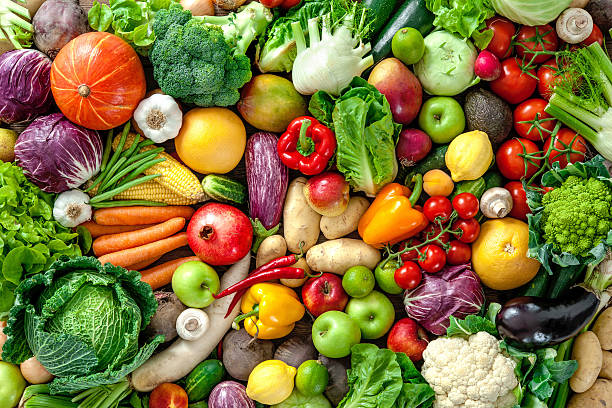
Hydroponic gardening has transformed the way people grow vegetables, herbs, fruits, and flowers at home. Instead of relying on soil, hydroponic systems deliver water and nutrients directly to plant roots, allowing plants to grow faster and more efficiently. The key to success in any hydroponic setup is choosing the right hydroponic nutrients and understanding how hydroponic plant food supports healthy growth.
Whether you are growing lettuce in a kitchen tower garden or cultivating tomatoes in a greenhouse, proper nutrition is essential. In this guide, we will explain what hydroponic nutrients are, why they matter, and how to use them effectively for strong, productive plants.
What Are Hydroponic Nutrients?
In traditional soil gardening, plants obtain nutrients from minerals and organic matter present in the soil. In hydroponics, there is no soil to provide those nutrients. Instead, growers add a carefully balanced nutrient solution to the water.
Hydroponic nutrients are water-soluble minerals formulated specifically for plants grown in hydroponic systems. They contain the essential elements plants need for:
-
Root development
-
Leaf growth
-
Stem strength
-
Flower production
-
Fruit formation
-
Overall plant health
Because the nutrients are dissolved in water, plants can absorb them quickly and efficiently through their roots.
What Is Hydroponic Plant Food?
The term hydroponic plant food is often used interchangeably with hydroponic nutrients. It refers to the complete nutrient solution supplied to plants in a hydroponic system. High-quality hydroponic plant food provides all essential macro and micronutrients in the proper proportions.
Unlike general-purpose fertilizers designed for soil, hydroponic plant food is formulated to remain stable in water and to be readily available for root uptake.
Essential Nutrients for Hydroponic Plants
Plants require both macronutrients and micronutrients to thrive.
Macronutrients
These are needed in larger amounts:
-
Nitrogen (N): promotes leafy growth
-
Phosphorus (P): supports root development and flowering
-
Potassium (K): improves overall plant vigor and fruit quality
Secondary Nutrients
-
Calcium
-
Magnesium
-
Sulfur
Micronutrients
Needed in smaller amounts but still essential:
-
Iron
-
Manganese
-
Zinc
-
Copper
-
Boron
-
Molybdenum
A complete hydroponic nutrient formula contains all of these elements in balanced concentrations.
Why Hydroponic Nutrients Are So Important
Without the correct nutrient balance, hydroponic plants cannot grow properly. Deficiencies or excesses can appear quickly because the root environment is entirely controlled by the grower.
Proper hydroponic plant food helps plants:
-
Grow faster
-
Produce larger yields
-
Develop stronger roots
-
Resist stress
-
Maintain healthy leaf color
-
Improve flavor and quality of edible crops
Because hydroponic systems deliver nutrients directly to the roots, plants often respond more rapidly than they do in soil.
Understanding A and B Hydroponic Nutrients
Many hydroponic nutrient products are sold as two-part formulas, commonly labeled Part A and Part B. These components are kept separate to prevent certain minerals from reacting with each other in concentrated form.
Part A Typically Contains
-
Calcium
-
Iron
-
Some nitrogen sources
Part B Typically Contains
-
Phosphorus
-
Potassium
-
Magnesium
-
Sulfur and trace minerals
To prepare the nutrient solution, add Part A to water first, mix thoroughly, then add Part B. Never mix the concentrates together before diluting them in water.
Using a two-part hydroponic nutrient system helps maintain nutrient stability and availability.
Signs of Nutrient Deficiencies
Monitoring plants regularly allows you to catch problems early.
Common Symptoms
-
Yellow older leaves: nitrogen deficiency
-
Purple leaves or stems: phosphorus deficiency
-
Brown leaf edges: potassium deficiency
-
Interveinal yellowing: magnesium deficiency
-
Distorted new growth: calcium deficiency
-
Pale new leaves: iron deficiency
Adjusting the hydroponic nutrients promptly can often correct these issues before they affect yield.
Avoiding Nutrient Burn
More nutrients are not always better. Excessively concentrated hydroponic plant food can damage roots and leaves.
Signs of Nutrient Burn
-
Brown or burnt leaf tips
-
Crispy leaf edges
-
Dark green foliage
-
Wilting despite adequate water
-
Salt buildup in the system
If nutrient burn occurs, dilute the solution or replace it with fresh water and nutrients at the correct strength.
The Importance of pH
Even perfectly balanced hydroponic nutrients can become unavailable if the pH is incorrect. Most hydroponic crops absorb nutrients best between pH 5.5 and 6.5.
A pH meter or test kit should be used regularly. Adjust pH with hydroponic pH up or pH down products as needed.
Changing the Nutrient Solution
Over time, plants absorb nutrients at different rates, causing the solution to become unbalanced. Most home growers replace the nutrient solution every one to three weeks, depending on system size and plant demand.
Regular reservoir changes help maintain consistent nutrient availability and reduce the risk of salt accumulation.
Organic vs. Mineral Hydroponic Plant Food
Hydroponic nutrients are generally available in two forms:
Mineral-Based Nutrients
-
Most common
-
Highly soluble
-
Easy to control
-
Fast nutrient availability
Organic Hydroponic Plant Food
-
Derived from natural sources
-
May require additional filtration
-
Can be more challenging in recirculating systems
For beginners, mineral-based hydroponic nutrients are usually the easiest and most reliable option.
Why Quality Hydroponic Nutrients Matter
High-quality hydroponic plant food is formulated for stability, purity, and complete nutrition. Inferior products may contain impurities, inconsistent nutrient ratios, or poorly soluble ingredients that can clog pumps and reduce plant performance.
Investing in a reliable nutrient system often results in:
-
Faster growth
-
Higher yields
-
Better flavor
-
Stronger roots
-
Fewer nutrient problems
Conclusion
Successful hydroponic gardening depends on providing plants with the right nutrition. Hydroponic nutrients supply the essential minerals that plants would normally obtain from soil, while hydroponic plant food delivers those nutrients in a form that roots can absorb immediately.
By understanding nutrient balance, proper mixing techniques, pH management, and crop-specific feeding needs, gardeners can grow vigorous, productive plants year-round. Whether you are cultivating leafy greens in a countertop tower or fruiting crops in a larger hydroponic system, choosing a high-quality nutrient solution is one of the most important steps toward achieving healthy growth and abundant harvests.

 Arabic
 French
 Spanish
 Portuguese
 Deutsch
 Turkish
 Dutch
Dutch
 Italiano
 Russian
 Romaian
 Portuguese (Brazil)
 Greek
Greek